NGN Case Studies Made Simple: NCLEX-RN® 2026 Guide
Learn how to solve NGN case studies using the six CJMM steps. Understand item types, partial-credit scoring, cue analysis, priorities and original practice cases aligned to the April 2026 NCLEX-RN® Test Plan.
Quick Answer: What Is an NGN Case Study?
An NGN case study is a connected set of six clinical judgment items built around the same client presentation. The client record unfolds as new assessment findings, laboratory results, orders, interventions or responses appear. Under the April 2026 NCLEX-RN® Test Plan, every examination explicitly measures clinical judgment through 18 case-study items — three six-item sets — and through approximately 10% stand-alone clinical judgment items, depending on examination length. [1]
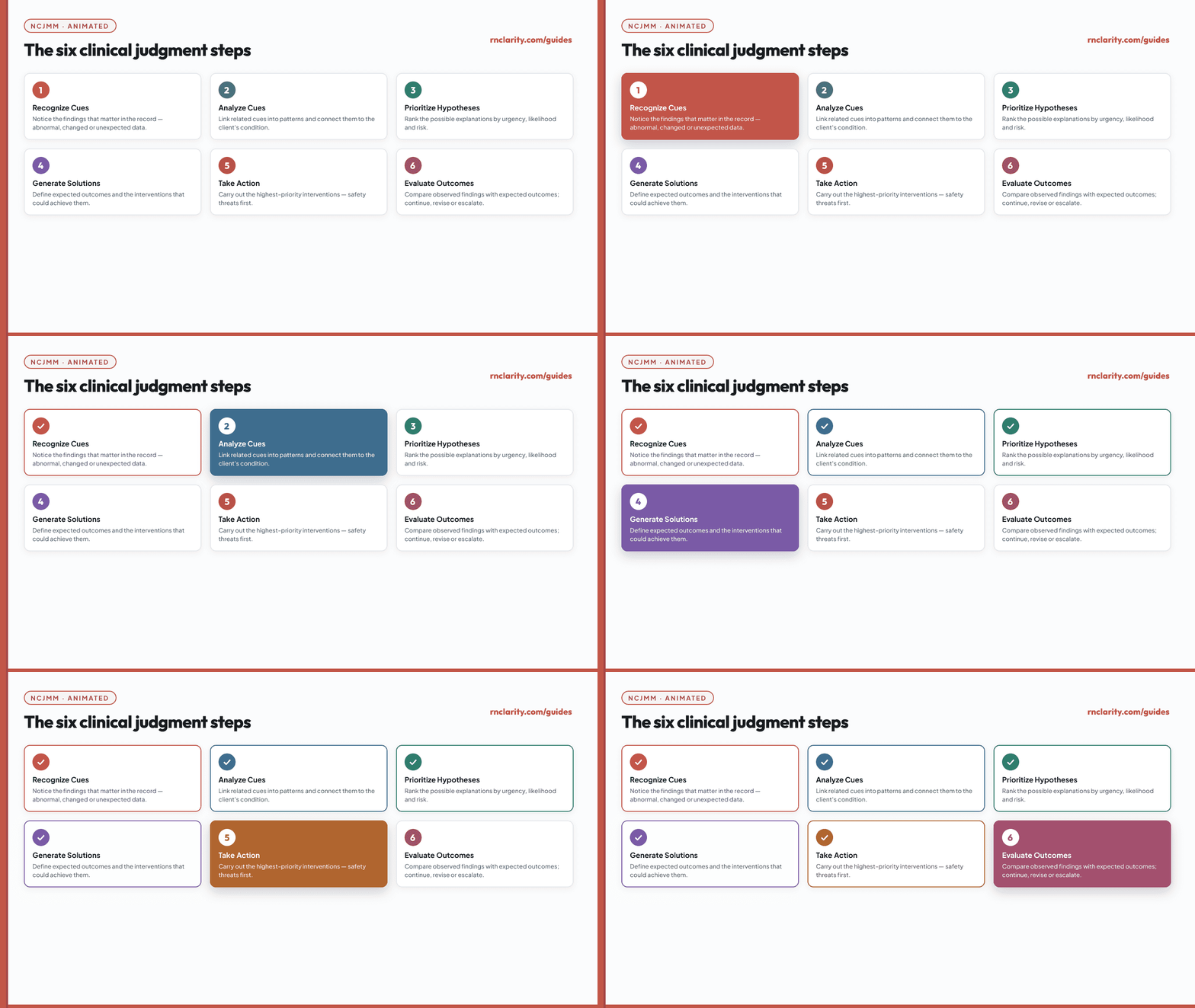
Each six-item case study addresses the six measurable clinical judgment steps: recognize cues, analyze cues, prioritize hypotheses, generate solutions, take action and evaluate outcomes. The candidate is not simply asked to name a diagnosis. The candidate must decide which information matters, what the pattern means, which problem is most urgent, what the nurse should do and whether the client improved.
Important: NGN is not a separate examination that candidates register for. The clinical judgment design introduced through the Next Generation NCLEX® project is now built into the NCLEX-RN® examination. A candidate preparing for the April 2026 plan should treat case-study reasoning as a core nursing skill, not as an optional question category.
1. Why This Guide Matters
Clinical judgment is the bridge between knowing nursing facts and using those facts safely. A candidate may remember that infection can cause fever and tachycardia, yet still miss the priority if the client also has new confusion, hypotension and falling urine output. The case-study format exposes that difference. It asks whether the candidate can build a meaningful picture from a changing record and make an entry-level nursing decision under uncertainty.
The April 2026 NCLEX-RN® Test Plan states that most items are written at the application level or higher because nursing practice requires complex thought processing. Clinical judgment is one of six integrated processes used throughout the Client Needs categories. It may appear as a six-item case study or as a stand-alone item. [1] This means a case-study strategy must work across medical-surgical nursing, maternity, pediatrics, mental health, pharmacology, safety, management of care and health promotion.
The best preparation is not memorizing answer patterns such as "always assess first" or "airway is always the answer." Those shortcuts can fail when the record shows that a clear emergency action is already required, when an assessment has already been completed or when a less obvious safety threat is more time-sensitive. A reliable approach begins with the client data and moves through a defensible reasoning process.
This guide uses simple English while preserving the depth nursing students need. It explains the six cognitive steps, common item formats, partial-credit principles, the structure of unfolding records and the thinking behind correct and incorrect options. The original practice cases are educational simulations created for RN Clarity. They are not recalled, copied or reconstructed examination questions.
Go deeper: Master all six CJMM steps with clinical examples and common traps in the clinical judgment guide.
2. Alignment With the April 2026 NCLEX-RN® Test Plan
The official 2026 NCLEX-RN® Test Plan is effective April 2026. It organizes examination content into four major Client Needs categories, with two categories divided into subcategories, producing eight scored content areas. Clinical judgment is not a ninth content category. It is an integrated process measured within the existing blueprint. [1]
The plan explicitly measures clinical judgment with 18 case-study items, arranged as three item sets, and approximately 10% stand-alone clinical judgment items selected according to examination length. A case study contains six items associated with the same client presentation, shares unfolding client information and addresses all six clinical judgment steps. [1]
The exact clinical condition in a case is less important than the nursing decisions it makes possible. A respiratory case may test Safety and Infection Prevention and Control, Pharmacological and Parenteral Therapies, Reduction of Risk Potential or Physiological Adaptation. A postpartum case may also test Management of Care, communication, documentation and client teaching. Candidates should therefore avoid studying case studies as a separate disease list. They should practise applying the six-step process to every major nursing domain.
| April 2026 feature | What it means for preparation |
|---|---|
| Three six-item case studies | Practise maintaining one client timeline across six connected decisions. |
| Approximately 10% stand-alone clinical judgment items | Use the same reasoning process even when there is no six-item set. |
| Six measurable steps | Know the specific task being tested before selecting an answer. |
| Unfolding information | Recheck the latest record; new data can change the priority. |
| Application level or higher | Explain why a finding matters and what the nurse should do — not only what the fact means. |
| Integrated across Client Needs | Practise with adult, maternity, pediatric, mental-health, safety, pharmacology and leadership contexts. |
Important accuracy note: The official test plan describes the required clinical judgment structure but does not promise that a specific disease, item format or number of bow-tie questions will appear. Study the reasoning task rather than attempting to predict the exact screen you will receive.
Go deeper: For the full 2026 test plan, adaptive scoring, Client Needs percentages and the passing standard, see the NCLEX-RN® test plan guide.
3. Anatomy of a Six-Item Case Study
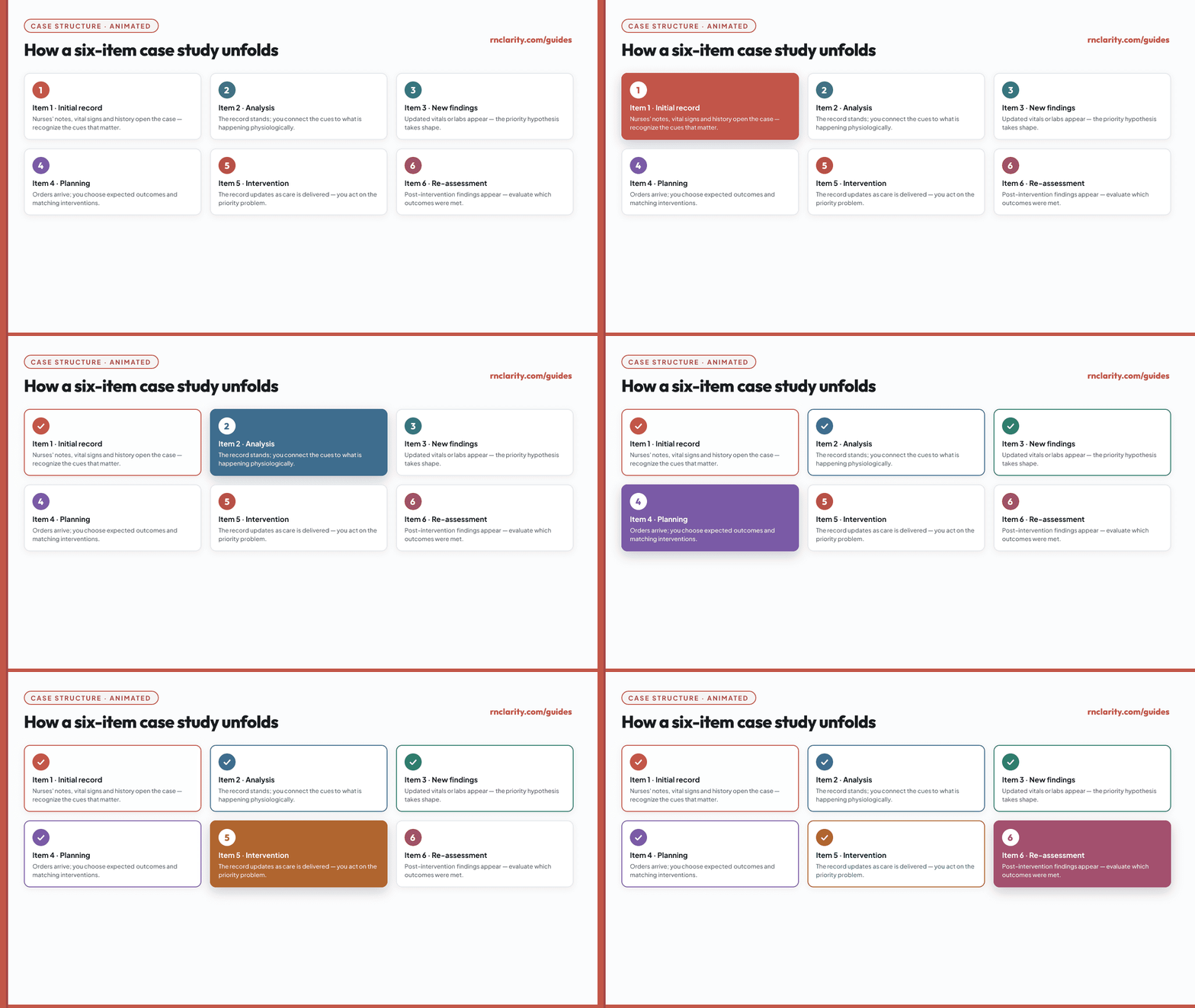
A case study begins with a client record. Depending on the scenario, the record may include a history and physical, nursing notes, vital signs, laboratory results, diagnostic reports, medication administration record, orders, intake and output, fetal monitoring information or other exhibits. The first item asks a clinical judgment question using the information currently available. Later items may add new tabs or update existing information.
The six questions are connected by the client story, but each item must be answered using the information available at that point. A candidate should not force a later answer to agree with an earlier choice. If the candidate misidentified the problem in item three, the new record in item four still deserves a fresh assessment. New information can also make an earlier hypothesis less likely.
Every item contains four broad components: client data, a stem, one or more correct response elements and distractors. The official 2026 test plan uses this framework in its item-writing guidance. [1] Strong distractors often represent common errors: noticing an abnormal but irrelevant cue, choosing a true action that is not the priority, acting outside the RN role, selecting an intervention before verifying a critical condition or assuming information not included in the record.
The case-study experience is best understood as an unfolding timeline rather than six isolated questions. Record the baseline mentally, identify what changed, connect each intervention to its purpose and compare the newest findings with the expected response.
3.1 A Practical Reading Sequence
- Read the question stem before opening every detail. The stem tells you what kind of evidence you are looking for.
- Identify the time point. Determine whether the question refers to admission, a post-intervention update or the client's current status.
- Review every relevant tab. Do not assume that a tab contains nothing important because its title looks routine.
- Compare current values with earlier values. Trend and change often matter more than one isolated number.
- Summarize the priority in one sentence before viewing or finalizing options.
- Select only responses supported by the record, within entry-level RN scope and appropriate to the question's clinical judgment step.
4. The CJMM and the Six Clinical Judgment Steps
NCSBN® developed the NCSBN Clinical Judgment Measurement Model, or CJMM, as a framework for measuring clinical judgment and decision-making within a standardized high-stakes examination. The model was informed by nursing literature, education, cognitive psychology, assessment science and research involving nursing experts and large candidate datasets. [2]
Layer 3 of the model contains the six cognitive steps directly measured in case studies and stand-alone clinical judgment items. The model does not replace the nursing process. NCSBN® explains that the nursing process underlies the model and that different educational frameworks can still provide a strong foundation for clinical judgment. [2]
The six steps can be understood through six plain-English questions: What matters? What does it mean? What is the priority explanation? What could help? What should the nurse do now? Did it work? A candidate who keeps these questions visible during practice is less likely to confuse an assessment task with an intervention task or an evaluation task with a new-diagnosis task.
| CJMM step | Plain-English question | Typical evidence task |
|---|---|---|
| Recognize cues | What information matters? | Select relevant findings from the record. |
| Analyze cues | What does the pattern mean? | Connect cues, trends and pathophysiology. |
| Prioritize hypotheses | Which explanation is most urgent or likely? | Rank supported client problems. |
| Generate solutions | What outcomes and interventions could help? | Match safe actions to the priority problem. |
| Take action | What should the nurse do now? | Choose the highest-priority implementable action. |
| Evaluate outcomes | Did the client improve? | Compare observed findings with expected results and revise. |
5. Step One: Recognize Cues
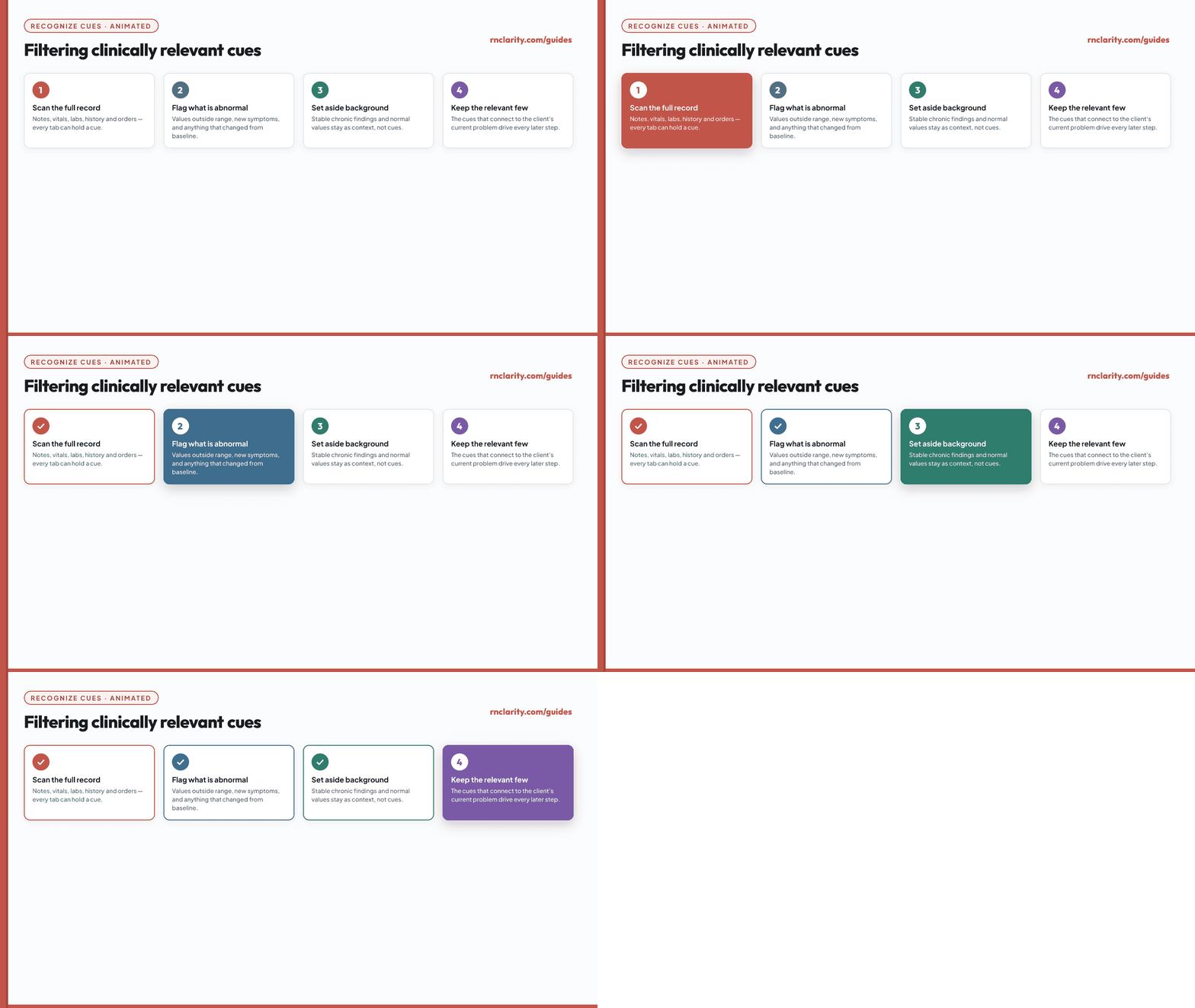
Recognizing cues means identifying information that is relevant and important to the client's current situation. Cues can come from the history, vital signs, assessment, laboratory results, medication record, client statements, family observations, intake and output, monitoring data or trends. The task is not to select every abnormal finding. It is to select the findings that help explain the current concern or change the urgency of care.
A useful cue has at least one of four qualities. It is new, changing, severe or connected to the question. A chronic stable finding may still matter, but it rarely outranks an acute unexpected deterioration. For example, chronic knee pain is important to the client, yet new confusion with hypotension and low urine output may signal impaired perfusion that cannot wait.
Candidates often miss cues because they read too quickly, focus on one dramatic number or overlook a client statement. "I suddenly feel like I cannot catch my breath" may be more important than a mildly abnormal laboratory value. Conversely, a subtle trend — such as urine output falling from 45 mL/hour to 15 mL/hour — may reveal worsening organ perfusion before a more obvious emergency appears.
When the item asks the candidate to highlight or select cues, use the wording of the stem. Findings that support a suspected complication are not necessarily the same as findings that require immediate follow-up. The first task asks for evidence of a hypothesis; the second asks for danger or change.
5.1 Cue-Recognition Checklist
- What is different from the client's baseline?
- Which findings are acute, unexpected or worsening?
- Which findings threaten airway, breathing, circulation, neurological function or immediate safety?
- Which medication, procedure or diagnosis could explain the change?
- Which findings belong to the same physiological pattern?
- Which information is background context rather than evidence of the current problem?
- What did the client or family notice that the numbers do not show?
Common cue error: Selecting all abnormal findings can reduce accuracy. In a plus/minus-scored response, unsupported selections may also reduce the credit earned. Relevance matters as much as abnormality.
6. Step Two: Analyze Cues
Go deeper: Connect laboratory results with symptoms, trends and safe escalation in the lab interpretation guide.
Analyzing cues means organizing and connecting the recognized information to the client's presentation. This step turns data into meaning. The candidate asks whether the cues form a pattern, whether one cause can explain several findings and whether the trend is improving or deteriorating.
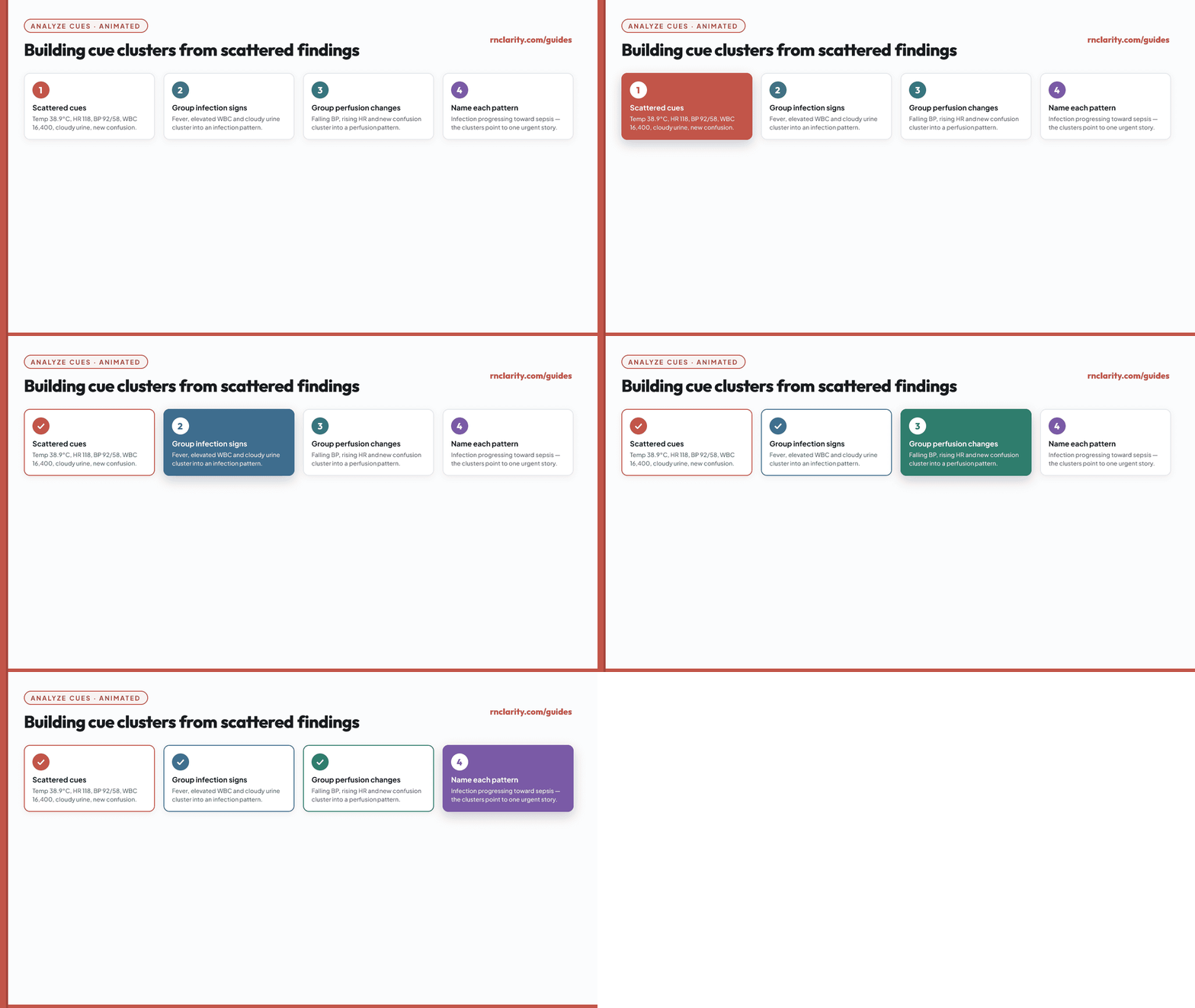
Cue clustering is one of the most useful skills. Consider fever, tachycardia, hypotension, confusion and low urine output. Fever and a positive urine culture support infection. Hypotension, cool skin and tachycardia suggest impaired perfusion. Falling urine output suggests reduced renal blood flow. Together, the clusters support a more serious systemic process than any one finding alone.
Analysis also requires checking whether a cue conflicts with the working explanation. If a client is thought to have fluid overload but has dry mucous membranes, flat neck veins and recent severe vomiting, the candidate should reconsider. A good hypothesis explains most of the important evidence without requiring invented facts.
Use pathophysiology in simple cause-and-effect language. The candidate does not need to recite a textbook chapter. "Poor cardiac pumping causes blood to back up into the lungs, producing crackles, orthopnea and low oxygen saturation" is enough to connect the cues and guide action.
Go deeper: See how cue clustering maps directly to writing nursing diagnoses in the nursing diagnoses guide.
6.1 A Four-Part Analysis Method
- Cluster: group findings that may share one physiological cause.
- Compare: examine current findings against baseline and earlier time points.
- Connect: state the likely cause-and-effect relationship in plain language.
- Check: identify any important finding that does not fit and decide whether another explanation is needed.
7. Step Three: Prioritize Hypotheses
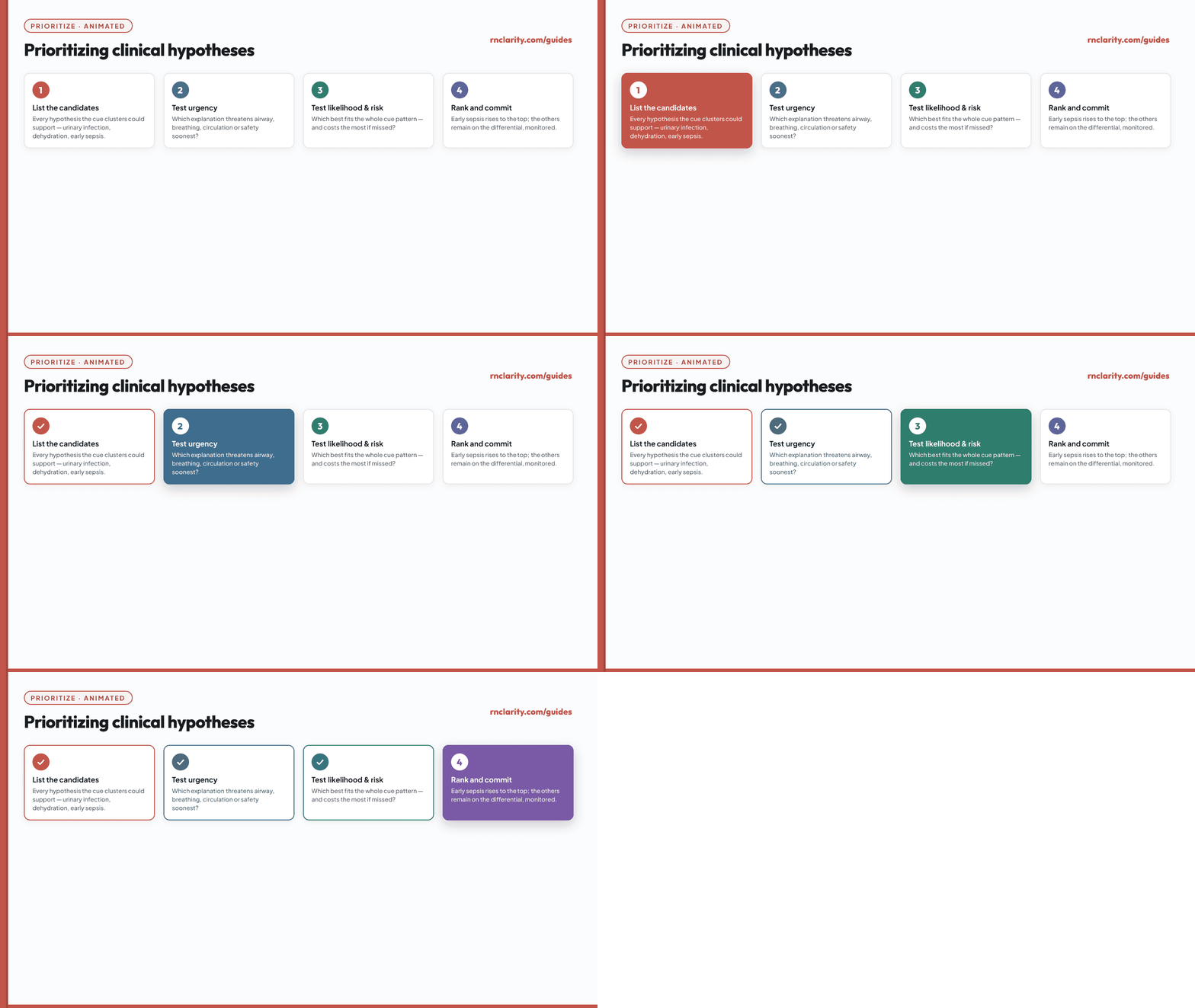
A hypothesis is a possible explanation for the client's condition. Prioritizing hypotheses means deciding which explanation deserves the nurse's attention first. The official test plan identifies considerations such as urgency, likelihood, risk, difficulty and time constraints. [1]
The priority hypothesis is not always the most common diagnosis. It is the explanation that is sufficiently supported and carries the greatest danger if delayed. A postoperative client with tachycardia may be experiencing pain, anxiety, dehydration, bleeding or infection. If the client also has hypotension, increasing abdominal distention, cool skin and falling urine output, internal bleeding becomes the priority even if pain is also present.
Likelihood and urgency should be considered together. A rare catastrophic problem should not automatically outrank a common well-supported problem, but a dangerous plausible problem cannot be dismissed simply because another explanation is easier. The candidate should choose the hypothesis that best accounts for the important cues and demands the most time-sensitive nursing response.
Avoid diagnosing beyond the record. Clinical judgment items ask for the best explanation supported by the presented evidence, not for an exhaustive differential diagnosis. Do not add a test result, medical history or symptom that the case did not provide.
7.1 The ULR Test
Use three questions to rank hypotheses:
- Urgency: Which problem requires action soonest?
- Likelihood: Which explanation is best supported by the cues?
- Risk: Which delay could cause the greatest harm?
When two hypotheses remain possible, the safest answer often addresses the one with the highest combined urgency, likelihood and risk. It should still be supported by the record; "worst possible disease" is not a substitute for evidence.
Go deeper: For how NCLEX-RN® priority questions test this reasoning across item types, see the practice questions guide.
8. Step Four: Generate Solutions
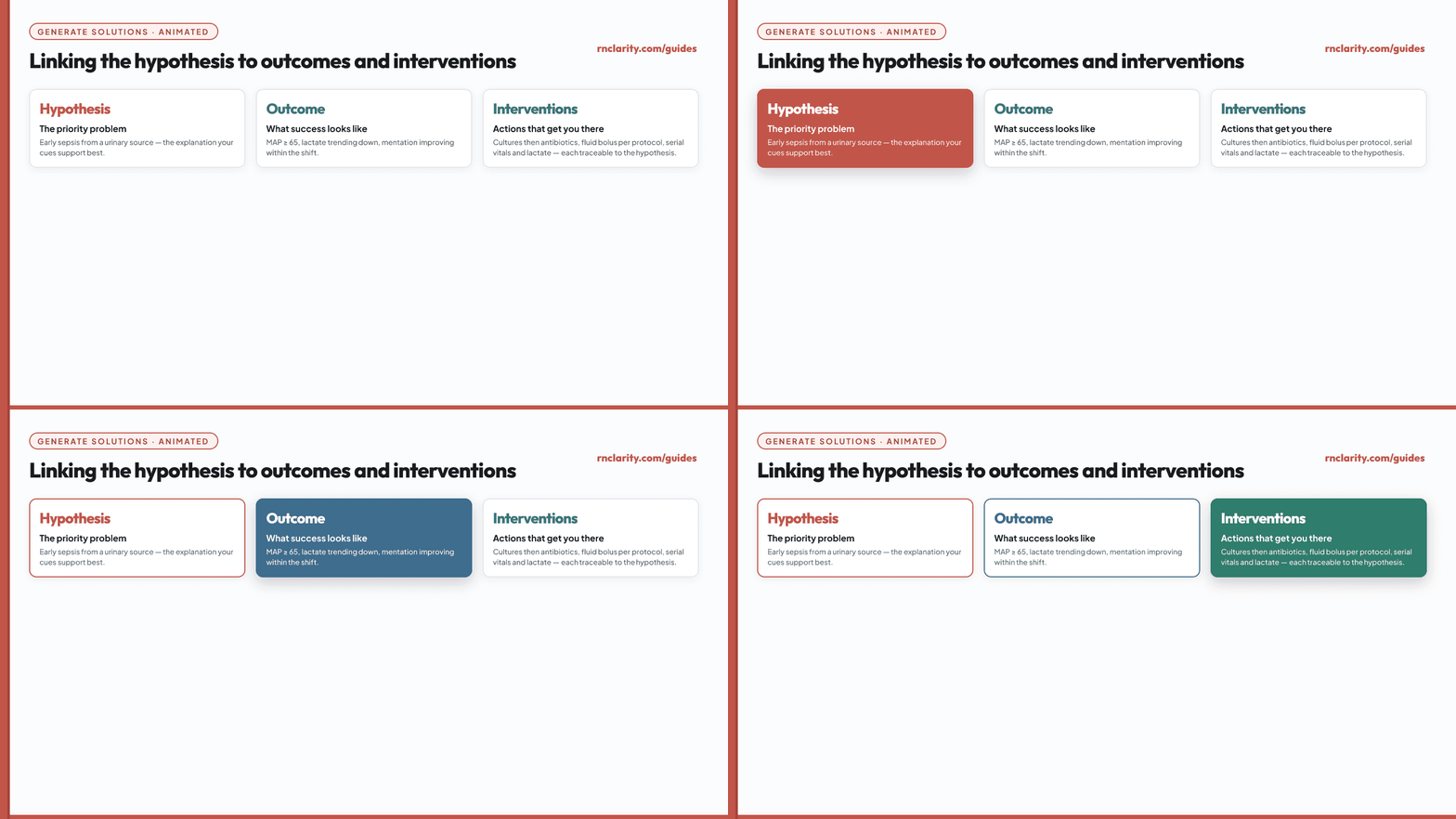
Generating solutions means identifying expected outcomes and a set of interventions that address the priority hypothesis. The candidate may need to select nursing actions, collaborative actions, monitoring parameters, teaching points or provider prescriptions that are appropriate for the situation.
Start with the desired result. For impaired perfusion, expected outcomes may include improved blood pressure, clearer mental status, warmer skin and increased urine output. Then choose actions that can reasonably produce or support those outcomes. This prevents random selection of interventions that are generally helpful but unrelated to the priority problem.
Distinguish independent nursing actions from actions requiring a prescription or team response. Repositioning, focused reassessment, stopping a suspected harmful infusion, implementing safety precautions and escalating through a rapid-response process may be within nursing responsibilities depending on the situation and local policy. Administering a new medication or changing a prescribed dose generally requires an authorized order unless a standing protocol applies.
Solutions should also account for feasibility and timing. A discharge teaching plan may be important, but it is not the immediate solution for a client with worsening respiratory distress. A diagnostic test may help confirm a condition, yet the nurse may need to stabilize the client while the test is arranged.
8.1 Solution-Selection Questions
- Does this intervention directly address the priority hypothesis?
- Is it safe for this client now?
- Is it within the nurse's role or supported by an existing order or protocol?
- Will it delay a more urgent action?
- What measurable outcome will show whether it worked?
- Could the action cause harm because of an allergy, contraindication, laboratory result or change in condition?
9. Step Five: Take Action
Taking action means implementing the solution or solutions that address the highest priority. The question may ask which action the nurse should take first, which prescriptions should be implemented, which client requires immediate assessment or which response should be avoided.
The phrase "assess first" is useful only when more information is needed and the client is not facing a clear emergency. When a transfusion reaction is suspected, the nurse should stop the transfusion according to protocol rather than continue it while completing a routine assessment. When a client has no pulse, cardiopulmonary resuscitation begins immediately. When a medication infusion is producing immediate danger, stopping or pausing the source may take priority over collecting more data.
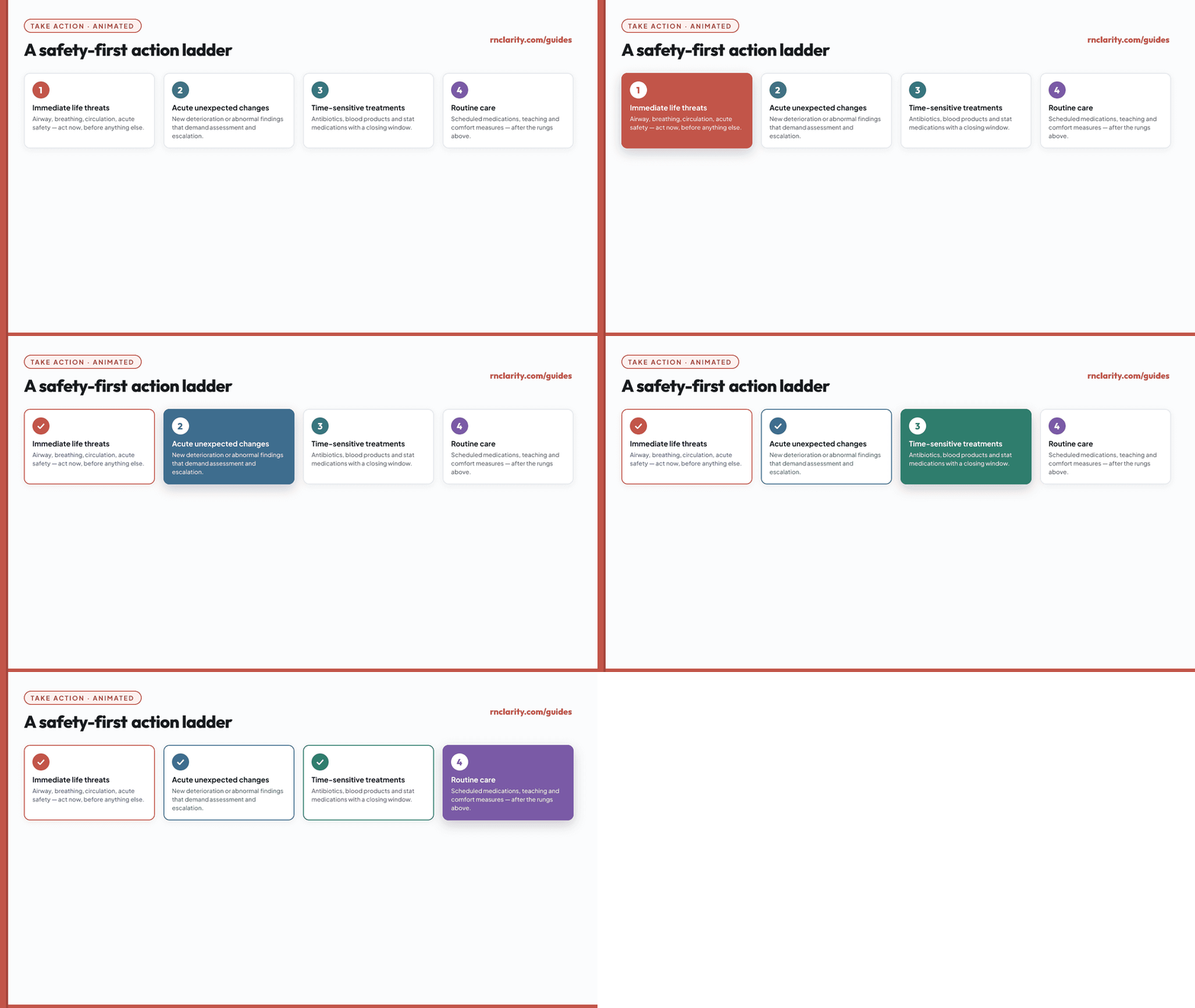
A safety-first priority ladder helps. Immediate threats to life come first, followed by acute unexpected changes, time-sensitive treatments and then routine care. Within the same level, consider which action is most direct, least harmful and within scope.
Communication is often part of the action but should not replace client care. "Notify the provider" may be necessary, yet the nurse may first need to position the client, stop an unsafe infusion, apply emergency precautions or call a rapid-response team. Choose the action that protects the client during the time it takes for additional help to arrive.
9.1 Action Wording That Changes the Answer
| Stem wording | What the item is asking |
|---|---|
| First / immediate | The earliest safe action in the sequence. |
| Best | The action that most completely addresses the problem. |
| Requires follow-up | A finding or action that is unsafe, unexpected or incomplete. |
| Should question | An order or action that conflicts with safety, scope, allergies, contraindications or current findings. |
| Can delegate | A task appropriate for the client, worker, setting and supervision available. |
| Expected | A finding consistent with the condition or treatment — not necessarily a desired finding. |
10. Step Six: Evaluate Outcomes
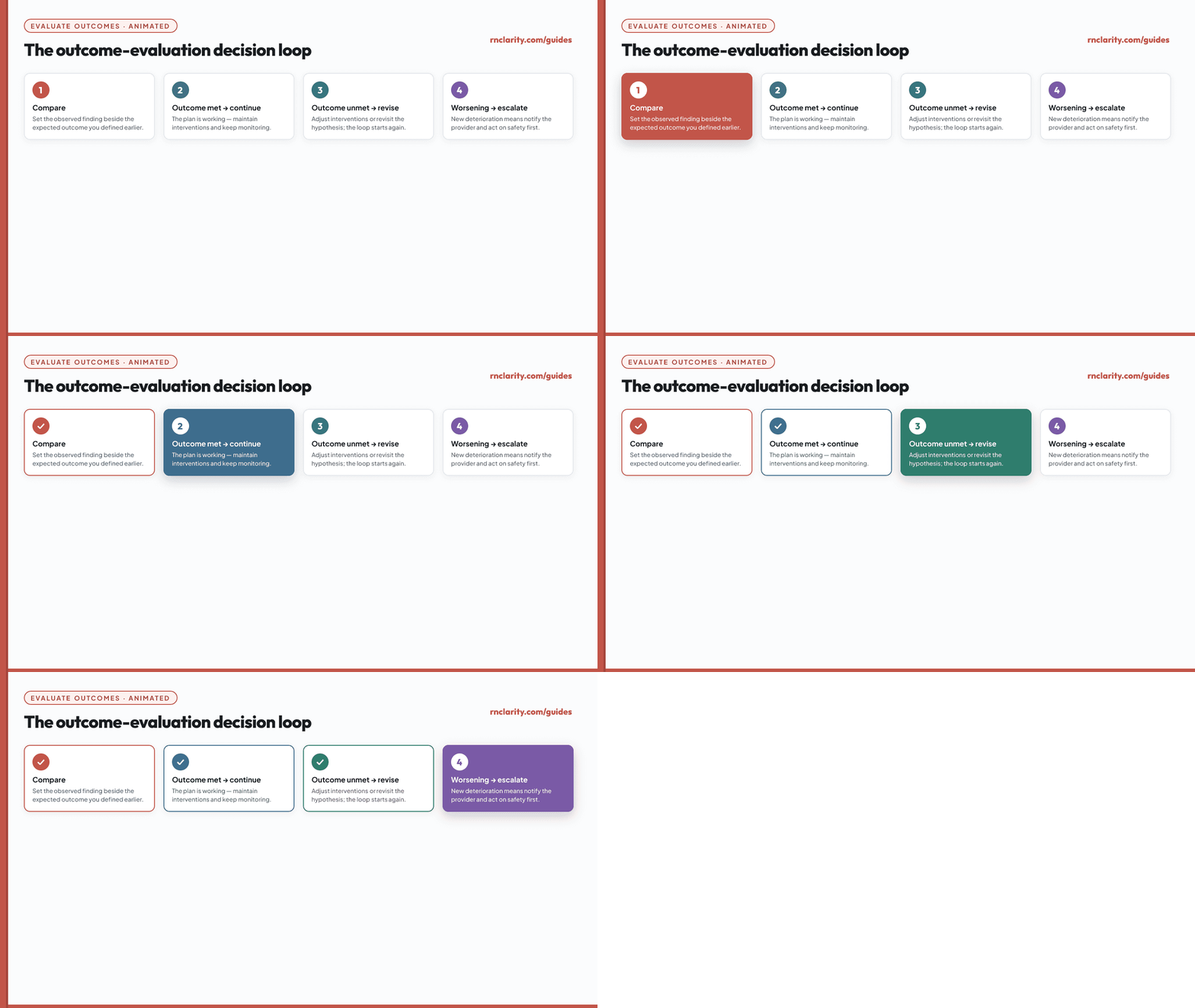
Evaluating outcomes means comparing the client's observed response with the expected result. The nurse decides whether the intervention was effective, partially effective, ineffective or harmful and whether the care plan should continue, change or escalate.
Evaluation requires measurable evidence. "The client feels better" may be useful, but a stronger evaluation of respiratory treatment may include easier speech, lower work of breathing, improved oxygen saturation and better air movement. A stronger evaluation of perfusion may include improving blood pressure, mental status, skin temperature and urine output.
An unchanged finding does not always mean failure. Some treatments need time. The candidate should consider the expected onset and the seriousness of the situation. However, a worsening or newly dangerous cue requires reassessment and often escalation. New data may send the nurse back to recognize cues and analyze the situation again.
Evaluation items often contain distractors that are normal but unrelated. If the expected outcome is improved perfusion, a normal bowel sound is not sufficient evidence. Match the outcome to the problem the intervention was intended to change.
10.1 Evaluation Sentence Frame
After [intervention], the client shows [specific observed finding], compared with the expected outcome of [target]. Therefore, the nurse should [continue, reassess, revise or escalate].
11. Clinical Judgment Item Formats
The user interface may change, but the nursing task remains stable. The six implemented NGN formats are highlight, matrix, drag-and-drop, bow-tie, cloze/dropdown and extended multiple response. NCSBN® provides an official sample pack and exam preview so candidates can practise the current interface. [3]
Do not assign a hidden meaning to a format. A bow-tie item is not automatically harder than a matrix item, and receiving many select-all-that-apply items does not reveal performance. Read the instructions because the allowed number of selections can differ.
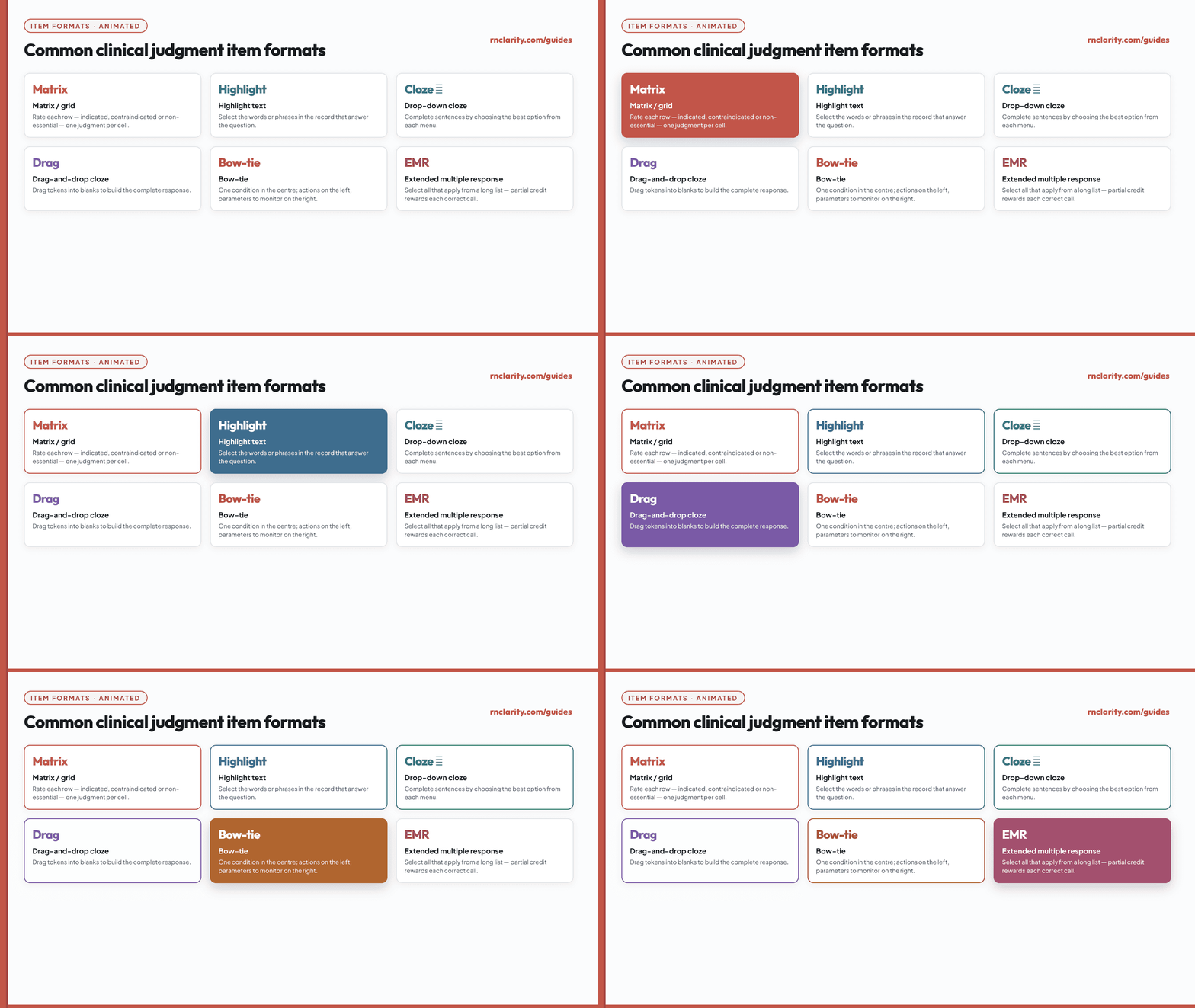
Go deeper: For how to use the official NCLEX® sample pack and what all six item types look like, see the NGN case studies hub page.
11.1 Matrix and Grid Items
A matrix organizes several findings or actions into rows and asks the candidate to classify each row. A matrix multiple-choice item generally permits one response per row. A matrix multiple-response item may permit more than one response in a row. Read the column labels before answering. Treat each row as a separate clinical decision, then check whether the completed pattern is consistent.
11.2 Highlight Items
Highlight items ask the candidate to select exact text or table cells. Select only the words that answer the stem. Highlighting a whole sentence when only one finding is relevant can introduce an unsupported response. Pay attention to dates, times, units and whether the question asks for evidence of a condition, a safety concern or a finding requiring follow-up.
11.3 Cloze Items
Cloze items ask the candidate to complete a sentence, paragraph or table using drop-down or drag-and-drop options. Read the entire statement before choosing the first blank. The selections must make one clinically correct relationship. After completing the item, read the finished sentence aloud in your mind and test whether the action truly follows from the finding.
11.4 Bow-Tie Items
A bow-tie item commonly asks for a central condition, two nursing actions and two parameters to monitor. Solve the centre first. Then select actions that directly address that condition and monitoring findings that demonstrate response or deterioration. All parts should tell one coherent clinical story. An action appropriate for a different possible diagnosis should not be selected merely because it is safe in general.
11.5 Extended Multiple Response
Some items allow one or more correct responses; others tell the candidate to select a fixed number. Treat each option as a separate claim. Do not search for a familiar number of selections. When the item says "select three," compare all options and choose the strongest three rather than stopping after the first three plausible options.
11.6 Drag-and-Drop Items
Drag-and-drop items ask the candidate to place actions, findings or other options into the correct sequence or target area. Read every target label before moving an option. For a sequence, identify the safest first action; for categories, evaluate each option against the specific client situation.
12. Partial-Credit Scoring
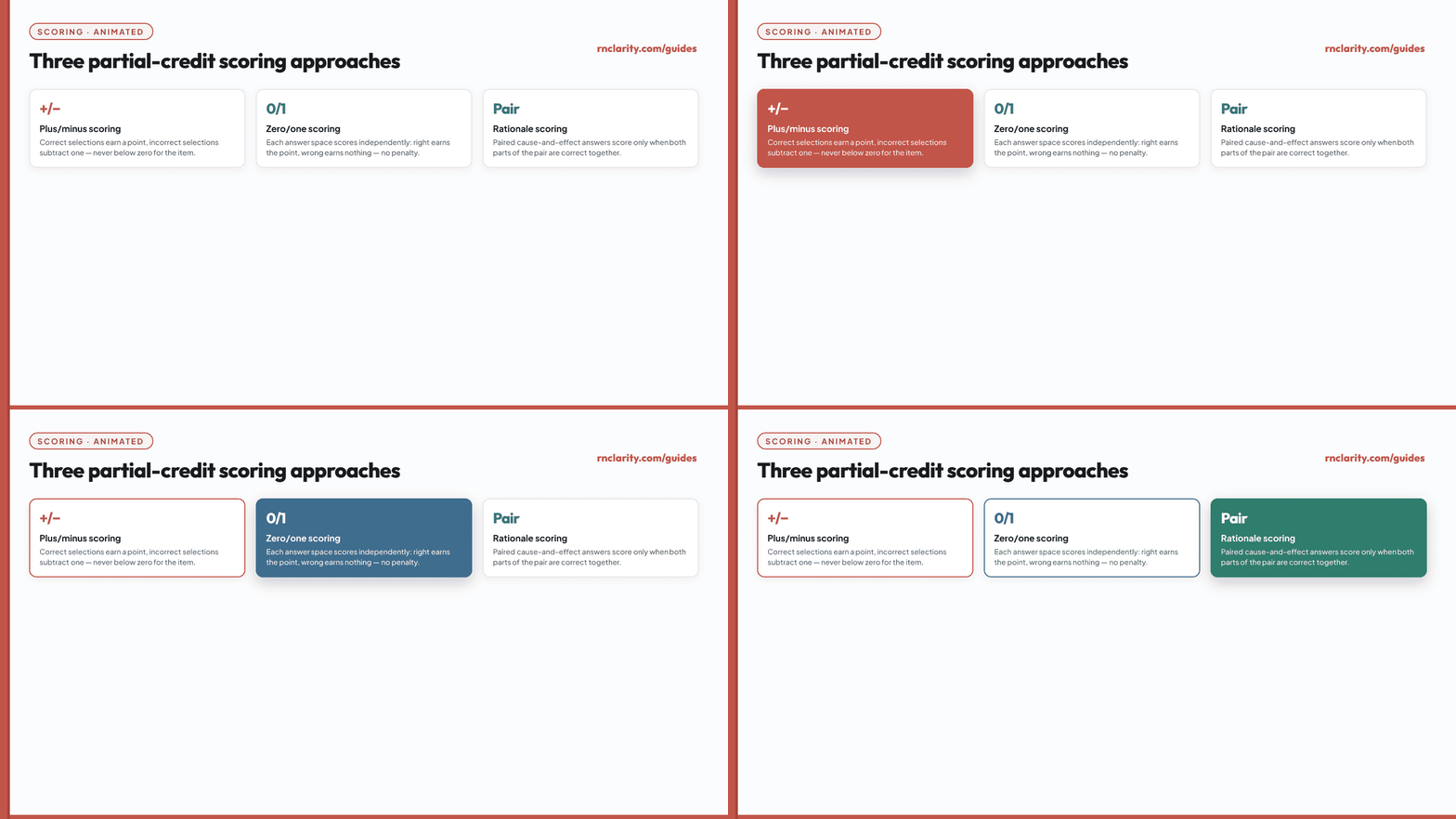
Clinical judgment items can award partial credit. NCSBN® describes three core scoring methods: plus/minus, zero/one and rationale scoring. [1] The examples in this guide are simplified to teach response behaviour. The actual examination uses psychometric models to incorporate item performance into the candidate's overall nursing-ability estimate.
Partial credit rewards demonstrated knowledge, but it does not make random selection a good strategy. The safest response is still to select only options that are supported by the record and answer the exact stem.
12.1 Plus/Minus Scoring
In a simplified plus/minus model, a correct selected response adds credit and an incorrect selected response can subtract credit, with the item score not falling below zero. This approach discourages selecting every option. If four cues are correct and the candidate selects three correct cues plus two incorrect cues, the unsupported selections can reduce the credit gained from the correct selections.
12.2 Zero/One Scoring
In a simplified zero/one model, each response element is scored independently. A correct element earns credit and an incorrect element earns no credit without subtracting from another correctly answered element. This is useful for row-by-row decisions or items that require a specific number of responses.
12.3 Rationale Scoring
Rationale scoring is used when responses are logically linked. A condition may need to be paired with the actions or evidence that specifically support it. Each linked group must form a correct clinical relationship. Two individually true statements may still be an incorrect pair if the proposed action does not address the selected condition.
Scoring strategy: Do not count choices. Do not select an option because it is "not harmful." Select it because it is correct, supported, responsive to the stem and appropriate to the client now.
13. The RN Clarity CASE Method
The CASE method is an original RN Clarity study aid. It does not replace the CJMM. It helps candidates perform the six steps consistently under examination conditions.
| Letter | Action | Questions to ask |
|---|---|---|
| C | Collect and compare | What is new, changing, severe or relevant? What is the baseline? |
| A | Arrange and analyze | Which cues belong together? What cause-and-effect pattern explains them? |
| S | Set the priority and select solutions | Which hypothesis is urgent, likely and risky? Which outcomes and actions address it? |
| E | Execute and evaluate | What should happen now? What finding will show improvement or failure? |
13.1 The Twelve-Step Workflow
- Read the stem and identify the clinical judgment task.
- Locate the current time point in the unfolding record.
- Scan every relevant exhibit and note new information.
- Mark acute, unexpected and worsening cues.
- Cluster related cues and compare trends.
- Summarize the pattern in one plain-English sentence.
- List two or three plausible hypotheses without inventing data.
- Rank them by urgency, likelihood and risk.
- Define the expected outcome for the priority problem.
- Select actions that directly produce or support that outcome.
- Check scope, safety, contraindications and whether delay could harm the client.
- For evaluation, compare the newest findings with the expected response and decide whether to continue, revise or escalate.
One-sentence reset: When you feel lost, think: "The client was ____, now has ____, which most likely means ____, so the nurse should ____ and monitor ____."
Go deeper: Apply this systematic approach to active-learning study sessions with the active learning guide.
14. Time Management for Case Studies
The five-hour examination limit includes the introduction and all breaks. The examination contains 85 to 150 items. [4] No single universal number of minutes per case is officially prescribed. Candidates need a personal pace that protects both accuracy and completion.
Case-study items often require more reading than a simple stand-alone item, but the shared record can make later questions faster because the candidate already knows the client. Use one deliberate pass through the available information. Re-read when a specific detail remains uncertain, not because anxiety demands another full review.
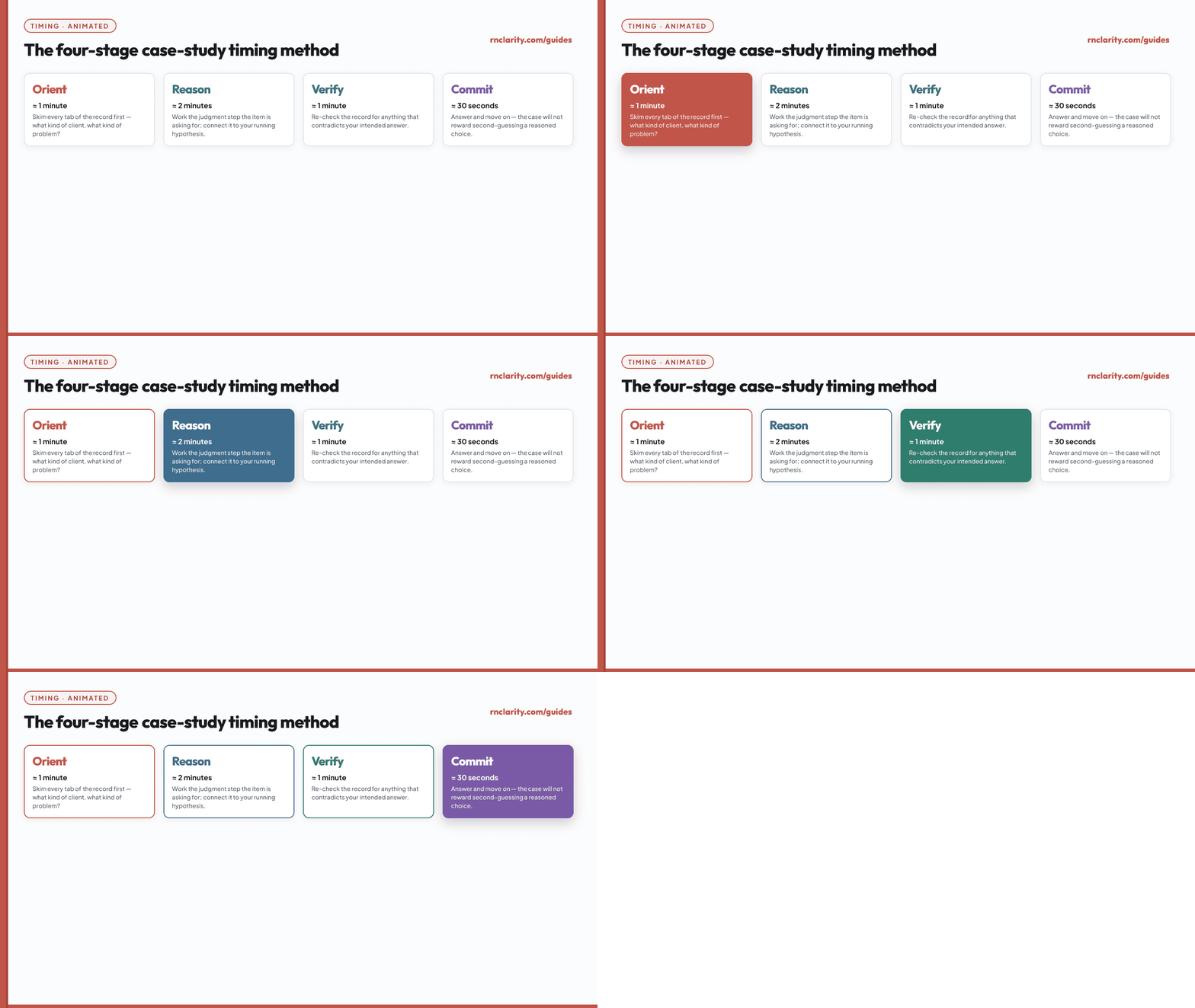
A practical rhythm is orient, reason, verify and commit. Orient to the stem and timeline. Reason through the requested clinical judgment step. Verify that the answer is safe, supported and within scope. Then commit and move forward. Candidates cannot return after advancing, so review the current response before submission, but avoid seeking impossible certainty.
Go deeper: For a complete exam-day timing strategy including breaks and pacing, see the exam day guide.
14.1 Pacing Warning Signs
- You are reading every tab from the beginning for every item, even when only one update changed.
- You are debating two options without identifying the clinical difference between them.
- You are calculating the meaning of the examination length or item difficulty instead of answering the client-care question.
- You are rushing through later items because too much time was spent trying to make an earlier answer perfect.
- You are ignoring breaks even though fatigue is reducing concentration.
15. Common NGN Case-Study Mistakes
| Mistake | Correction |
|---|---|
| Selecting every abnormal cue | Abnormal does not automatically mean relevant. Connect each selected cue to the question. |
| Ignoring the timeline | The newest value may represent improvement or deterioration only when compared with baseline. |
| Anchoring on the first hypothesis | New information can weaken the original explanation. Reassess instead of defending an earlier answer. |
| Choosing a true but nonpriority action | Many options may be reasonable eventually. The item asks what matters now. |
| Using rigid slogans | "Assess first," "airway first" and "never call the provider first" are prompts, not universal laws. |
| Adding facts | Do not assume a medication, allergy, diagnosis or test result that is not in the record. |
| Confusing a medical diagnosis with a nursing task | The correct response often depends on assessment, safety, monitoring, escalation or teaching rather than naming a disease. |
| Overselecting in partial-credit items | Unsupported selections can reduce credit in eligible items. |
| Matching by keywords | Two options may repeat words from the record while only one explains the client's pattern. |
| Evaluating the wrong outcome | Measure the response connected to the intervention and priority hypothesis. |
| Forgetting scope and delegation | A task must be appropriate for the client's stability, the worker's role and the supervision available. |
| Treating every case like adult medical-surgical nursing | The same six-step reasoning applies to maternity, pediatrics, mental health, community care and leadership. |
16. Original Six-Item Case Study: Sepsis From a Urinary Source
Original educational simulation: Adult medical-surgical context; primary emphasis on recognizing deterioration, perfusion and time-sensitive escalation. This case was created by RN Clarity for learning. It is not an official, recalled or reconstructed NCLEX-RN® item.
| Record area | Client information |
|---|---|
| Background | A 74-year-old client was admitted from home with dysuria, weakness and poor oral intake. History includes hypertension and type 2 diabetes. |
| Initial assessment | Temperature 38.5°C (101.3°F), heart rate 112/min, respiratory rate 24/min, blood pressure 104/62 mm Hg, oxygen saturation 95% on room air. Client is tired but oriented. |
| Laboratory and urine data | White blood cell count is elevated. Urinalysis shows leukocytes and nitrites. Urine culture is pending. |
| Orders | Blood cultures, prescribed IV fluids, antimicrobial therapy after cultures, repeat vital signs and strict intake and output. |
Item 1: Recognize Cues
Four hours later, which findings require immediate follow-up? Select all that apply.
A. New disorientation to place
B. Heart rate 124/min
C. Chronic knee pain rated 3/10
D. Blood pressure 86/50 mm Hg
E. Urine output 15 mL during the last hour
F. Uses reading glasses
Best response: A, B, D and E.
Rationale: The new confusion, worsening tachycardia, hypotension and low urine output form an acute deterioration pattern. Chronic mild knee pain and use of reading glasses do not explain the current instability. The CDC identifies confusion, high heart rate and other systemic signs as possible sepsis findings, and hypotension with low urine output suggests impaired perfusion. [5]
Item 2: Analyze Cues
Which interpretation best connects the current findings?
A. The client is experiencing expected fatigue from hospitalization.
B. The client may have worsening infection with systemic hypoperfusion.
C. The client's hypertension is inadequately controlled.
D. The client is developing an isolated urinary-retention problem.
Best response: B. The client may have worsening infection with systemic hypoperfusion.
Rationale: The infection evidence is now joined by acute mental-status change, hypotension, tachycardia and reduced urine output. These findings are more consistent with a time-sensitive systemic deterioration than with routine fatigue, uncontrolled hypertension or isolated retention.
Item 3: Prioritize Hypotheses
Which hypothesis should the nurse prioritize?
A. Sepsis with impaired perfusion
B. Chronic diabetic neuropathy
C. Mild dehydration without instability
D. Sleep deprivation
Best response: A. Sepsis with impaired perfusion.
Rationale: The hypothesis has strong evidence, high urgency and high risk. Dehydration may contribute but does not fully explain the fever, infection evidence and acute confusion. Delaying recognition of possible sepsis can lead to rapid deterioration.
Item 4: Generate Solutions
Which interventions are appropriate to include in the immediate plan? Select all that apply.
A. Activate the facility's urgent sepsis or rapid-response pathway as indicated.
B. Reassess airway, breathing, circulation and mental status.
C. Delay prescribed fluids until the urine culture is final.
D. Maintain or verify IV access and prepare to implement time-sensitive orders.
E. Monitor vital signs and urine output closely.
F. Begin discharge teaching about long-term diabetes diet choices.
Best response: A, B, D and E.
Rationale: The plan must address instability, perfusion and rapid evaluation. Waiting for a final culture delays treatment. Long-term teaching may be useful later but is not part of the immediate solution for a deteriorating client.
Item 5: Take Action
Which action should the nurse take first?
A. Document the change and continue routine monitoring.
B. Initiate urgent clinical escalation while remaining with and reassessing the client.
C. Ask assistive personnel to encourage oral fluids.
D. Provide a quiet room to reduce confusion.
Best response: B. Initiate urgent clinical escalation while remaining with and reassessing the client.
Rationale: The client has an acute, potentially life-threatening change. Immediate escalation and supportive assessment are required. Routine documentation, oral intake and environmental measures do not address the instability.
Item 6: Evaluate Outcomes
After prescribed treatment, which findings best indicate improving perfusion? Select all that apply.
A. Blood pressure rises to 102/64 mm Hg.
B. Urine output increases to 35 mL/hour.
C. Client is oriented to person, place and time.
D. Heart rate remains 124/min.
E. Skin becomes cool and mottled.
F. Chronic knee pain remains 3/10.
Best response: A, B and C.
Rationale: Improving blood pressure, urine output and mental status support better perfusion. Persistent tachycardia and cool mottled skin would remain concerning. Chronic knee pain does not evaluate the sepsis-focused intervention.
Case 1 reasoning summary: The case begins with infection and then adds acute organ-perfusion cues. The strongest candidate does not stop at "urinary tract infection." The candidate updates the clinical picture, recognizes the systemic pattern, escalates promptly and evaluates perfusion rather than an unrelated symptom.
17. Original Six-Item Case Study: Acute Heart-Failure Exacerbation
Original educational simulation: Adult cardiovascular and respiratory context; primary emphasis on cue clustering, oxygenation, positioning, diuresis monitoring and response evaluation. This case was created by RN Clarity for learning. It is not an official, recalled or reconstructed NCLEX-RN® item.
| Record area | Client information |
|---|---|
| Background | A 68-year-old client with chronic heart failure reports increasing breathlessness and a 3-kg weight gain over five days. |
| Assessment | Client is anxious and unable to lie flat. Respiratory rate 30/min, heart rate 108/min, blood pressure 168/94 mm Hg, oxygen saturation 88% on room air. Bilateral crackles are present. |
| Additional findings | Neck veins are distended and pitting edema is present in both lower legs. The client says, "I slept sitting in a chair last night." |
| Current orders | Cardiac monitoring, oxygen to target per order, IV access, prescribed loop diuretic, laboratory testing and strict intake and output. |
Item 1: Recognize Cues
Which findings support acute pulmonary congestion? Select all that apply.
A. Inability to lie flat
B. Bilateral crackles
C. Oxygen saturation 88%
D. Three-kilogram weight gain
E. Old healed knee scar
F. Uses a hearing aid
Best response: A, B, C and D.
Rationale: Orthopnea, crackles, hypoxemia and rapid weight gain support fluid congestion. The other findings may affect communication or history but do not explain the acute respiratory problem. NHLBI lists trouble breathing, cough and inability to sleep lying flat among heart-failure symptoms. [6]
Item 2: Analyze Cues
Which explanation best connects the findings?
A. Reduced cardiac pumping has contributed to fluid backing up into the lungs.
B. The client is having an isolated anxiety episode.
C. The client has uncomplicated dependent edema without respiratory involvement.
D. The findings are expected after normal activity.
Best response: A. Reduced cardiac pumping has contributed to fluid backing up into the lungs.
Rationale: The respiratory findings, weight gain, venous congestion and edema form one fluid-overload pattern. Anxiety is present but does not explain the objective signs.
Item 3: Prioritize Hypotheses
Which client problem has the highest priority?
A. Impaired oxygenation related to pulmonary congestion
B. Knowledge deficit about a low-sodium diet
C. Chronic activity intolerance
D. Disturbed sleep pattern
Best response: A. Impaired oxygenation related to pulmonary congestion.
Rationale: The client is hypoxemic and in acute respiratory distress. Teaching, chronic tolerance and sleep are important but cannot outrank breathing and oxygenation.
Item 4: Generate Solutions
Which actions are appropriate now? Select all that apply.
A. Position the client upright.
B. Apply prescribed oxygen and monitor response.
C. Prepare to administer the prescribed loop diuretic after safety checks.
D. Encourage the client to lie flat and rest.
E. Monitor lung sounds, oxygen saturation, urine output and electrolytes.
F. Provide several large glasses of fluid immediately.
Best response: A, B, C and E.
Rationale: Upright positioning, oxygen, prescribed diuresis and close monitoring address pulmonary congestion and oxygenation. Lying flat can worsen orthopnea, and unplanned fluid loading conflicts with the presentation.
Item 5: Take Action
Which action should be implemented first?
A. Place the client in an upright position and apply prescribed oxygen.
B. Discuss daily weights for discharge.
C. Ask the client to walk to improve circulation.
D. Complete a detailed nutrition history.
Best response: A. Place the client in an upright position and apply prescribed oxygen.
Rationale: The client has immediate respiratory compromise. Positioning and oxygen are rapid supportive actions while other treatment is prepared.
Item 6: Evaluate Outcomes
Which findings indicate that the treatment is effective? Select all that apply.
A. Oxygen saturation increases to 94% on prescribed oxygen.
B. Respiratory rate decreases to 22/min.
C. Client can speak full sentences with less distress.
D. Urine output increases after the diuretic.
E. Crackles become more widespread.
F. Client becomes increasingly drowsy.
Best response: A, B, C and D.
Rationale: Improved oxygen saturation, lower respiratory rate, easier speech and increased urine output are consistent with improved congestion and response. Worsening crackles or mental status would require reassessment and escalation.
18. Original Six-Item Case Study: Diabetic Ketoacidosis
Original educational simulation: Adult endocrine context; primary emphasis on dehydration, metabolic deterioration, potassium safety and treatment response. This case was created by RN Clarity for learning. It is not an official, recalled or reconstructed NCLEX-RN® item.
| Record area | Client information |
|---|---|
| Background | A 21-year-old client with type 1 diabetes reports vomiting and missed insulin doses during a viral illness. |
| Assessment | Client is drowsy but arousable. Respiratory rate 30/min and deep, heart rate 118/min, blood pressure 94/58 mm Hg. Mucous membranes are dry. |
| Laboratory data | Blood glucose 528 mg/dL, bicarbonate 12 mEq/L, positive serum ketones, potassium 5.4 mEq/L. |
| Orders | IV isotonic fluid, insulin infusion after verification, frequent glucose and electrolyte monitoring, cardiac monitoring and additional replacement according to protocol and results. |
Item 1: Recognize Cues
Which findings are most relevant to the acute metabolic problem? Select all that apply.
A. Missed insulin doses
B. Deep rapid respirations
C. Dry mucous membranes
D. Glucose 528 mg/dL
E. Positive ketones and bicarbonate 12 mEq/L
F. Remote ankle sprain
Best response: A, B, C, D and E.
Rationale: The insulin interruption, hyperglycemia, ketones, low bicarbonate, dehydration and compensatory breathing pattern form a coherent acute metabolic picture. The remote sprain is not relevant.
Item 2: Analyze Cues
Which interpretation best explains the findings?
A. Insulin deficiency has led to hyperglycemia, ketone production, acidosis and dehydration.
B. The client has simple hyperglycemia without acid-base disturbance.
C. The respiratory pattern indicates isolated asthma.
D. The potassium result proves total-body potassium excess.
Best response: A. Insulin deficiency has led to hyperglycemia, ketone production, acidosis and dehydration.
Rationale: The low bicarbonate and ketones indicate acidosis, while vomiting, osmotic diuresis and dry mucous membranes support dehydration. Serum potassium can be elevated even when total-body stores are depleted, so the value must be trended during treatment.
Item 3: Prioritize Hypotheses
Which problem should receive highest priority?
A. Severe fluid deficit and metabolic instability from diabetic ketoacidosis
B. Long-term knowledge deficit about sick-day management
C. Risk for future eye disease
D. Temporary sleep disruption
Best response: A. Severe fluid deficit and metabolic instability from diabetic ketoacidosis.
Rationale: The current hypotension, tachycardia, acidosis and altered alertness represent immediate instability. Teaching is essential later but does not outrank resuscitation and metabolic monitoring.
Item 4: Generate Solutions
Which interventions should be included? Select all that apply.
A. Begin prescribed isotonic fluid and monitor response.
B. Verify and implement the insulin protocol with frequent glucose checks.
C. Monitor potassium and cardiac rhythm closely.
D. Administer potassium immediately without reviewing repeat values or protocol.
E. Monitor neurological status, intake and output, and acid-base improvement.
F. Stop all laboratory testing once glucose falls below 300 mg/dL.
Best response: A, B, C and E.
Rationale: Treatment requires fluids, insulin, electrolyte and rhythm surveillance, neurological monitoring and ongoing evaluation of metabolic correction. Potassium decisions depend on the current value, renal function and protocol. A lower glucose does not by itself prove resolution of ketoacidosis.
Item 5: Take Action
The client has a patent IV and the prescribed fluid is available. What should the nurse do first?
A. Begin the prescribed isotonic fluid after standard verification.
B. Provide detailed foot-care teaching.
C. Offer a large meal.
D. Delay treatment until the client is fully alert.
Best response: A. Begin the prescribed isotonic fluid after standard verification.
Rationale: The client has evidence of marked dehydration and hypoperfusion. Prescribed fluid replacement is time-sensitive. Teaching and food are not the immediate priorities, and treatment should not be delayed solely because the client is drowsy.
Item 6: Evaluate Outcomes
Which findings support improvement? Select all that apply.
A. Blood pressure rises and heart rate decreases.
B. Mental status becomes clearer.
C. Bicarbonate and acid-base status move toward target.
D. Urine output improves.
E. Potassium falls rapidly without monitoring.
F. Respirations become more laboured.
Best response: A, B, C and D.
Rationale: Improved perfusion, alertness, urine output and metabolic values support recovery. A rapid unmonitored potassium decline is dangerous, and worsening breathing requires reassessment.
19. Original Six-Item Case Study: Postpartum Hemorrhage
Original educational simulation: Maternal-newborn context; primary emphasis on quantitative blood loss, uterine tone, perfusion and rapid team response. This case was created by RN Clarity for learning. It is not an official, recalled or reconstructed NCLEX-RN® item.
| Record area | Client information |
|---|---|
| Background | A client is one hour after a vaginal birth. Pregnancy and birth were complicated by prolonged labour and uterine overdistention. |
| Assessment | The client reports dizziness. Heart rate 116/min, blood pressure 90/54 mm Hg. Skin is pale and cool. |
| Fundal and bleeding findings | The uterus feels boggy and above the expected position. Blood loss is increasing, and large clots are present. |
| Current resources | Postpartum hemorrhage supplies and team protocol are available. IV access is present. Prescribed uterotonic therapy and laboratory orders are available according to the protocol. |
Item 1: Recognize Cues
Which findings require immediate action? Select all that apply.
A. Boggy uterus
B. Increasing blood loss with large clots
C. Heart rate 116/min
D. Blood pressure 90/54 mm Hg
E. Pale cool skin and dizziness
F. Client asks when visitors may enter
Best response: A, B, C, D and E.
Rationale: These findings support active postpartum hemorrhage with compromised perfusion. The visitor question is not the priority. ACOG notes that quantitative measurement is more accurate than visual estimation of obstetric blood loss. [7]
Item 2: Analyze Cues
Which interpretation best connects the findings?
A. Uterine atony may be causing significant postpartum bleeding and hypovolemia.
B. The client has expected postpartum fatigue.
C. The client is experiencing isolated anxiety.
D. The client has normal lochia without instability.
Best response: A. Uterine atony may be causing significant postpartum bleeding and hypovolemia.
Rationale: The boggy uterus, increasing bleeding, clots and hemodynamic findings support uterine atony with blood loss rather than normal postpartum recovery.
Item 3: Prioritize Hypotheses
Which hypothesis has the highest priority?
A. Postpartum hemorrhage with impaired circulating volume
B. Readiness for enhanced parenting
C. Temporary sleep deprivation
D. Mild perineal discomfort
Best response: A. Postpartum hemorrhage with impaired circulating volume.
Rationale: The bleeding and perfusion changes are immediately life-threatening and must be addressed before routine postpartum needs.
Item 4: Generate Solutions
Which actions are appropriate immediately? Select all that apply.
A. Activate the postpartum hemorrhage response and obtain help.
B. Perform uterine massage as appropriate while assessing uterine tone and bleeding.
C. Verify IV access and prepare to implement prescribed fluids, uterotonic therapy and laboratory orders.
D. Quantify ongoing blood loss and monitor vital signs closely.
E. Leave the client alone to obtain supplies.
F. Delay escalation until a haemoglobin result returns.
Best response: A, B, C and D.
Rationale: The response requires immediate team activation, uterine-focused action, perfusion support, quantitative blood-loss tracking and close monitoring. The unstable client should not be left without support, and care should not wait for a later laboratory result.
Item 5: Take Action
Which action should the nurse take first?
A. Call for immediate assistance and begin the facility's hemorrhage response while initiating uterine-focused assessment and massage.
B. Complete routine newborn discharge paperwork.
C. Offer oral fluids and reassess in one hour.
D. Provide privacy and dim the lights.
Best response: A. Call for immediate assistance and begin the hemorrhage response while initiating uterine-focused assessment and massage.
Rationale: Active bleeding with hemodynamic change requires immediate coordinated action. Routine tasks and delayed reassessment are unsafe.
Item 6: Evaluate Outcomes
Which findings indicate improvement? Select all that apply.
A. Uterus becomes firm and better positioned.
B. Bleeding decreases.
C. Blood pressure rises and heart rate decreases.
D. Dizziness lessens and skin becomes warmer.
E. Clots and bleeding continue to increase.
F. The client becomes increasingly confused.
Best response: A, B, C and D.
Rationale: Improved uterine tone, reduced bleeding and better perfusion show response. Ongoing bleeding or worsening mental status indicates failure and the need for further escalation.
20. Original Six-Item Case Study: Pediatric Asthma Exacerbation
Original educational simulation: Pediatric respiratory context; primary emphasis on work of breathing, air movement, treatment response and family-centred communication. This case was created by RN Clarity for learning. It is not an official, recalled or reconstructed NCLEX-RN® item.
| Record area | Client information |
|---|---|
| Background | An 8-year-old with asthma arrives after increasing cough and wheeze despite home quick-relief medication. |
| Assessment | Child is sitting forward, speaking in short phrases and using accessory muscles. Respiratory rate 34/min, heart rate 128/min, oxygen saturation 90% on room air. |
| Auscultation | Wheezing is present with reduced air movement. The child appears frightened. |
| Orders | Prescribed oxygen, inhaled bronchodilator therapy, reassessment, and additional escalation according to response and protocol. |
Item 1: Recognize Cues
Which findings indicate a significant exacerbation? Select all that apply.
A. Short-phrase speech
B. Accessory-muscle use
C. Oxygen saturation 90%
D. Reduced air movement
E. Heart rate 128/min
F. Favourite colour is blue
Best response: A, B, C, D and E.
Rationale: The speech limitation, work of breathing, hypoxemia, poor air movement and tachycardia support respiratory distress. The unrelated preference does not contribute to the clinical picture. NHLBI identifies wheeze, chest tightness, cough and shortness of breath as key asthma symptoms and emphasizes action planning and quick-relief treatment for worsening symptoms. [8]
Item 2: Analyze Cues
Which interpretation is most accurate?
A. Bronchospasm and airway inflammation are limiting airflow and oxygenation.
B. The child is only anxious and has no objective respiratory problem.
C. The findings represent a normal response to exercise.
D. The child has isolated tachycardia without respiratory compromise.
Best response: A. Bronchospasm and airway inflammation are limiting airflow and oxygenation.
Rationale: The objective findings demonstrate airflow limitation. Anxiety may increase distress but does not explain the oxygen saturation, accessory-muscle use and reduced air movement.
Item 3: Prioritize Hypotheses
Which problem is the priority?
A. Impaired ventilation and oxygenation during an acute asthma exacerbation
B. Knowledge deficit about school attendance
C. Risk for future exercise intolerance
D. Fear related to the emergency setting
Best response: A. Impaired ventilation and oxygenation during an acute asthma exacerbation.
Rationale: Respiratory compromise must be treated first. Fear and teaching remain important and can be addressed while stabilizing the child.
Item 4: Generate Solutions
Which actions are appropriate? Select all that apply.
A. Position the child to support breathing and keep a caregiver present when possible.
B. Apply prescribed oxygen and administer prescribed inhaled bronchodilator therapy.
C. Reassess air movement, work of breathing, speech and oxygen saturation.
D. Force the child to lie flat.
E. Prepare for further escalation if air movement or mental status worsens.
F. Delay treatment until the child stops crying completely.
Best response: A, B, C and E.
Rationale: Supportive positioning, family-centred reassurance, oxygen, prescribed bronchodilation, repeated assessment and readiness to escalate address the acute problem. Lying flat and delaying treatment are unsafe.
Item 5: Take Action
Which action should the nurse implement first?
A. Begin prescribed oxygen and inhaled quick-relief treatment while monitoring the child closely.
B. Teach long-term trigger avoidance in detail.
C. Ask the child to perform vigorous walking.
D. Leave the child alone to reduce stimulation.
Best response: A. Begin prescribed oxygen and inhaled quick-relief treatment while monitoring the child closely.
Rationale: The child has acute respiratory distress and hypoxemia. Immediate treatment and close monitoring take priority over long-term teaching.
Item 6: Evaluate Outcomes
Which findings show improvement? Select all that apply.
A. Child speaks in full sentences.
B. Accessory-muscle use decreases.
C. Oxygen saturation improves to the ordered target.
D. Air movement improves.
E. Child becomes drowsy with very quiet breath sounds.
F. Retractions worsen.
Best response: A, B, C and D.
Rationale: Improved speech, work of breathing, oxygenation and air movement indicate response. Drowsiness with very quiet breath sounds can signal severe deterioration rather than improvement.
21. Focused Mini-Drills
Use these short exercises to isolate one clinical judgment skill at a time. Answers follow each drill so that the learner can review the reasoning immediately.
Drill 1: Cue drill — anticoagulant safety
A client receiving an anticoagulant has new severe headache, vomiting and unequal pupils after a fall. Which cue is most important?
Reasoned answer: The acute neurological change after trauma is the priority cue because it may indicate intracranial bleeding. The medication increases the risk, but the client's current neurological findings drive urgency.
Drill 2: Analysis drill — transfusion reaction
Fifteen minutes after blood begins, the client develops chills, dyspnea and back pain. What pattern should the nurse recognize?
Reasoned answer: The timing and symptom cluster suggest an acute transfusion reaction rather than expected anxiety. The nurse should connect the new symptoms with the recent therapy.
Drill 3: Hypothesis drill — postoperative deterioration
A client eight hours after abdominal surgery has increasing pain, tachycardia, hypotension and abdominal distention. Pain medication is due. Which hypothesis should be prioritized?
Reasoned answer: Possible internal bleeding is more urgent and better explains the full pattern than routine postoperative pain.
Drill 4: Solution drill — hypoglycemia
A conscious client with diabetes is shaky, diaphoretic and has a glucose of 48 mg/dL. Which outcome and intervention belong together?
Reasoned answer: Expected outcome: glucose and symptoms improve promptly. Intervention: give the appropriate rapid-acting carbohydrate according to protocol, then recheck and follow with longer-acting intake as indicated.
Drill 5: Action drill — opioid respiratory depression
A postoperative client is difficult to arouse, respirations are 6/min and oxygen saturation is falling after an opioid. What should happen first?
Reasoned answer: Support airway and breathing, activate urgent assistance and follow the applicable emergency or reversal protocol. Routine pain reassessment cannot delay emergency action.
Drill 6: Evaluation drill — bronchodilator
After prescribed bronchodilator treatment, wheezing is quieter but the client is more drowsy and air movement is markedly reduced. Is this improvement?
Reasoned answer: No. Quieter wheezing with poorer air movement and decreasing alertness can indicate worsening obstruction. Evaluation must use the whole pattern, not one sound.
Drill 7: Delegation drill
Can an RN delegate initial assessment of a newly admitted unstable client to assistive personnel?
Reasoned answer: No. Initial assessment and clinical interpretation require licensed nursing judgment. Assistive personnel may collect specified routine data when appropriate, but the RN evaluates the meaning.
Drill 8: Teaching drill
A client nods after insulin teaching. What outcome best evaluates learning?
Reasoned answer: A correct return demonstration or teach-back is stronger evidence than agreement alone.
Drill 9: Trend drill
Creatinine rises over three days while urine output falls. Each value is only mildly abnormal. Why does the trend matter?
Reasoned answer: The direction suggests worsening renal function. A changing pattern can be clinically important before a single value becomes dramatically abnormal.
Drill 10: Psychosocial drill
A client says, "There is no reason for me to live." What is the priority next step?
Reasoned answer: Assess suicide risk directly and ensure immediate safety. Avoid changing the subject or offering false reassurance.
22. Study Plans for NGN Case Studies
22.1 Four-Week Focused Plan
| Week | Primary goal | Daily work |
|---|---|---|
| 1 | Learn the six steps and item formats | Review one step each day; complete 20 focused stand-alone items; create a cue-and-error log. |
| 2 | Build cue clusters and priorities | Complete one adult and one specialty case daily; explain the pattern and top hypothesis in one sentence. |
| 3 | Improve actions and evaluation | Practise medication safety, delegation, acute deterioration and outcome interpretation; review every distractor. |
| 4 | Integrate under realistic conditions | Complete mixed six-item cases with timed sessions; review only recurring weaknesses and maintain sleep and pacing. |
22.2 Seven-Day Final Review
- Day 7: Complete a mixed baseline set and identify three reasoning weaknesses.
- Day 6: Review recognize-cue and analyze-cue errors. Practise trends and highlight items.
- Day 5: Review prioritization, delegation and safety-first actions.
- Day 4: Practise matrix, cloze and bow-tie formats.
- Day 3: Complete three six-item cases and review every option.
- Day 2: Light mixed practice; review the CASE method and emergency patterns.
- Day 1: Stop intensive testing early, prepare examination logistics and protect sleep.
Go deeper: Build a full structured study plan for every phase of NCLEX-RN® preparation in the study plan guide.
22.3 The Clinical Judgment Error Log
| Date | Case/topic | Step missed | What I did | Correct reasoning | Review date |
|---|---|---|---|---|---|
| Example | Sepsis | Recognize cues | Selected chronic pain | Selected acute confusion, hypotension and low urine output | In 2 days |
| Example | Heart failure | Take action | Chose discharge teaching | Prioritized upright positioning and oxygen | Tomorrow |
| Example | DKA | Evaluate outcomes | Focused only on glucose | Checked perfusion, mental status, bicarbonate and potassium | In 3 days |
Label errors by step. A learner who repeatedly misses analyze-cues questions needs a different remedy from a learner who recognizes the problem but selects a delayed intervention. Step-specific review prevents endless question volume without improvement.
23. Frequently Asked Questions
How many NGN case studies are on the April 2026 NCLEX-RN®?
The official plan explicitly measures clinical judgment with 18 case-study items, arranged as three six-item sets. Approximately 10% of stand-alone items also measure clinical judgment, depending on examination length. [1]
Does each case study have six questions?
Yes. The official test plan defines a case study as six items associated with the same client presentation and unfolding information, addressing the six clinical judgment steps. [1]
Is NGN a separate examination?
No. The clinical judgment design developed through the Next Generation NCLEX® project is built into the current NCLEX-RN® examination.
Does every item use a new format?
No. Clinical judgment can be measured with several formats, including familiar multiple-response approaches and newer matrix, highlight, cloze or bow-tie presentations. The reasoning task matters more than the screen design.
Are case studies always medical-surgical?
No. Clinical judgment can be tested across all Client Needs areas and populations, including maternity, pediatrics, mental health, pharmacology, safety, leadership and health promotion.
Can candidates return to an earlier case-study question?
Candidates should confirm the current answer carefully before moving forward because the examination does not permit returning to a previous item after advancing.
Should I read every tab?
Review every relevant exhibit and check for new or updated information. The item may depend on a trend, medication entry or note that is not visible in the first tab.
How do I know which CJMM step is being tested?
Look at the verb and task. Selecting relevant findings suggests recognize cues. Interpreting a pattern suggests analyze cues. Ranking conditions suggests prioritize hypotheses. Selecting possible outcomes or interventions suggests generate solutions. Choosing what to do now suggests take action. Deciding whether treatment worked suggests evaluate outcomes.
Do I lose points for choosing an extra answer?
In eligible plus/minus-scored items, an unsupported selection can reduce credit. The exact scoring method depends on the item. Select only responses supported by the scenario.
How many options should I choose on select-all-that-apply?
Choose every option that is correct according to the stem. Do not assume a fixed number. When the item specifies "select N," choose exactly that number.
What is the best way to solve a bow-tie item?
Identify the central condition first. Then choose actions that directly address it and monitoring parameters that show improvement or deterioration. All selections must tell one coherent clinical story.
Should I always assess before acting?
No. Assess first when information is missing and no immediate action is clearly required. A life-threatening emergency, unsafe infusion, absent pulse, airway obstruction or active severe reaction can require immediate action.
Are normal laboratory ranges provided?
The official NCLEX® FAQ explains that a normal reference range is provided when a numeric laboratory value is presented. Candidates still need to interpret the result and trend. [9]
What is the best daily number of case studies?
There is no official target. Complete the number you can review deeply. One carefully reviewed case can be more valuable than several rushed cases.
How should I review a wrong answer?
Identify the step, the cue you missed, the assumption you added, why the correct option is safer and why each distractor fails. Then practise another item testing the same reasoning skill.
Can memorizing disease templates replace case practice?
No. Disease knowledge supports reasoning, but cases test whether the candidate can use changing information, priorities, scope and outcome evaluation.
Are RN Clarity cases official examination items?
No. Every practice case in this guide is an original educational simulation. RN Clarity does not reproduce secure examination content.
Does doing well on one case guarantee readiness?
No. Readiness requires consistent performance across populations, Client Needs categories, item formats and all six clinical judgment steps.
What is the most important case-study habit?
State the current priority in one sentence before selecting options. This reduces keyword matching and helps every response connect to the client's actual problem.
Where can I practise the official interface?
Use the public sample pack, examination preview and candidate tutorial linked from the official NCLEX® preparation page. [3]
Official References and Disclaimer
- 2026 NCLEX-RN® Test Plan. National Council of State Boards of Nursing, Inc. Effective April 2026. Available at ncsbn.org.
- Clinical Judgment Measurement Model overview. National Council of State Boards of Nursing, Inc. Available at ncsbn.org.
- Official NCLEX® preparation page, sample pack and exam preview. National Council of State Boards of Nursing, Inc. Available at ncsbn.org.
- 2026 NCLEX® Examination Candidate Bulletin. National Council of State Boards of Nursing, Inc. Available at ncsbn.org.
- CDC: Caring for Patients With Sepsis. Centers for Disease Control and Prevention. Available at cdc.gov.
- NHLBI: Heart Failure Symptoms. National Heart, Lung, and Blood Institute. Available at nhlbi.nih.gov.
- ACOG: Quantitative Blood Loss in Obstetric Hemorrhage. American College of Obstetricians and Gynecologists. Available at acog.org.
- NHLBI: Asthma Treatment and Action Plan. National Heart, Lung, and Blood Institute. Available at nhlbi.nih.gov.
- Official NCLEX® Frequently Asked Questions. National Council of State Boards of Nursing, Inc. Available at ncsbn.org.
This guide is provided by RN Clarity for general educational and informational purposes only. It does not replace the official 2026 NCLEX-RN® Test Plan, the current Candidate Bulletin, nursing-school instruction, guidance from a nursing regulatory body, institutional policy, professional clinical judgment or individualized medical advice. Examination policies and clinical recommendations can change. Candidates and clinicians should verify current requirements and local protocols. Use of this guide does not guarantee an examination result.
The practice cases, questions, diagrams, answer options and rationales in this guide are original educational materials created for RN Clarity. They are not official, recalled, copied or reconstructed NCLEX-RN® examination items. Secure examination content must not be requested, shared or reproduced.
RN Clarity is an independent educational resource. RN Clarity is not affiliated with, endorsed by, sponsored by, approved by or officially connected with the National Council of State Boards of Nursing, Inc. NCLEX®, NCLEX-RN®, NCLEX®-PN®, NCSBN® and Next Generation NCLEX® are registered trademarks of the National Council of State Boards of Nursing, Inc.