Nursing Care Plans Guide: Assessment, Diagnosis, Interventions and Evaluation
Learn how to write nursing care plans step by step: assessment, nursing diagnosis, SMART outcomes, individualized interventions, evidence-based rationales, evaluation and revision — aligned with the NCLEX-RN® Test Plan effective April 2026.
1. What a Nursing Care Plan Is
A nursing care plan is both a thinking process and a communication tool. The thinking process helps the nurse move from raw information to a reasoned plan. The communication tool helps everyone caring for the client understand the priorities, expected outcomes, required actions, precautions and follow-up needs.
The word "plan" can create the false impression that care planning happens once. In reality, it is dynamic. A client's condition can change within minutes. New laboratory findings, treatment responses, family information, discharge barriers or client preferences can alter the priorities. The nurse therefore reassesses, revises and communicates the plan throughout care.
The care plan should answer seven practical questions:
- What is happening now? This comes from assessment and cue recognition.
- What human response or risk requires nursing attention? This becomes the nursing problem statement.
- Which problem is most urgent or important? This is prioritization.
- What should be different after nursing care? This becomes the expected outcome.
- What will the nurse and team do? These are interventions.
- Why should those actions help? These are rationales grounded in evidence, pathophysiology, safety and the client's situation.
- Did the plan work? This is evaluation and revision.
A care plan is not the same as a medical treatment plan. A medical plan may focus on diagnosing and treating disease. A nursing care plan focuses on the person's responses, function, safety, comfort, coping, learning needs, risks and ability to manage health. The two plans should complement each other rather than compete.
The care-plan test: A reader who did not assess the client should be able to understand the current nursing priorities, what to do, what to watch, what outcome is expected and when the plan must be reconsidered.
Go deeper: For the full NCSBN Clinical Judgment Measurement Model and how its six steps map to the care-planning cycle, see the clinical judgment guide.
2. Alignment with the April 2026 NCLEX-RN® Test Plan
The official 2026 NCLEX-RN® Test Plan is effective April 2026. It defines the nursing process as a clinical-reasoning approach that includes assessment, analysis, planning, implementation and evaluation. The plan also integrates clinical judgment, communication and documentation, caring, culture and spirituality, and teaching/learning throughout all Client Needs categories.
Care planning is therefore not limited to one examination category. It appears whenever a candidate must recognize cues, determine what matters most, choose an appropriate action, coordinate care, teach a client, prevent complications or evaluate a response. It is especially visible in Management of Care, Safety and Infection Prevention and Control, Health Promotion and Maintenance, Psychosocial Integrity, Basic Care and Comfort, Pharmacological and Parenteral Therapies, Reduction of Risk Potential and Physiological Adaptation.
The 2026 plan expects the entry-level RN to prioritize care according to acuity, participate in establishing and updating the plan of care, collaborate with clients and team members, provide discharge education, document care, evaluate outcomes and revise care as required. It also measures clinical judgment through three six-item case studies and additional stand-alone clinical judgment items.
| 2026 test-plan concept | How it appears in a care plan |
|---|---|
| Assessment | Collect relevant physiological, psychosocial, developmental, cultural, safety and functional information. |
| Analysis | Connect cues, distinguish expected from unexpected findings and identify actual or potential nursing problems. |
| Planning | Set priorities, identify measurable outcomes and select individualized strategies. |
| Implementation | Provide, coordinate, delegate and document safe nursing care. |
| Evaluation | Compare the client's response with outcome criteria and revise the plan. |
| Clinical judgment | Recognize cues, analyze cues, prioritize hypotheses, generate solutions, take action and evaluate outcomes. |
| Communication and documentation | Make the plan understandable, current, factual and accessible to the team. |
| Teaching/learning | Assess readiness and barriers, provide education and evaluate understanding. |
| Culture and spirituality | Use the client's self-identified preferences rather than stereotypes. |
| Caring | Protect dignity, build trust, support goals and include the client in decisions. |
Important distinction: A care plan should support safe entry-level RN decisions. It should not instruct a student to diagnose a medical condition, prescribe treatment outside scope or follow a generic template when the client's data indicate a different priority.
Go deeper: For a complete breakdown of the 2026 NCLEX-RN® Test Plan, Client Needs percentages and adaptive scoring, see the NCLEX-RN® test plan explained.
3. Nursing Process, Care Planning and Clinical Judgment
The nursing process and clinical judgment are closely connected but not identical. The nursing process organizes professional nursing practice. Clinical judgment describes the reasoning used to interpret information and make decisions within that process. A nurse may move forward and backward among steps as new information appears.
Many nursing programs teach the memory aid ADPIE: assessment, diagnosis, planning, implementation and evaluation. Professional standards may separate outcomes identification from planning, creating assessment, diagnosis, outcomes identification, planning, implementation and evaluation. The 2026 NCLEX-RN® Test Plan uses assessment, analysis, planning, implementation and evaluation as integrated nursing-process language. These descriptions can coexist when the learner understands what work occurs at each stage.
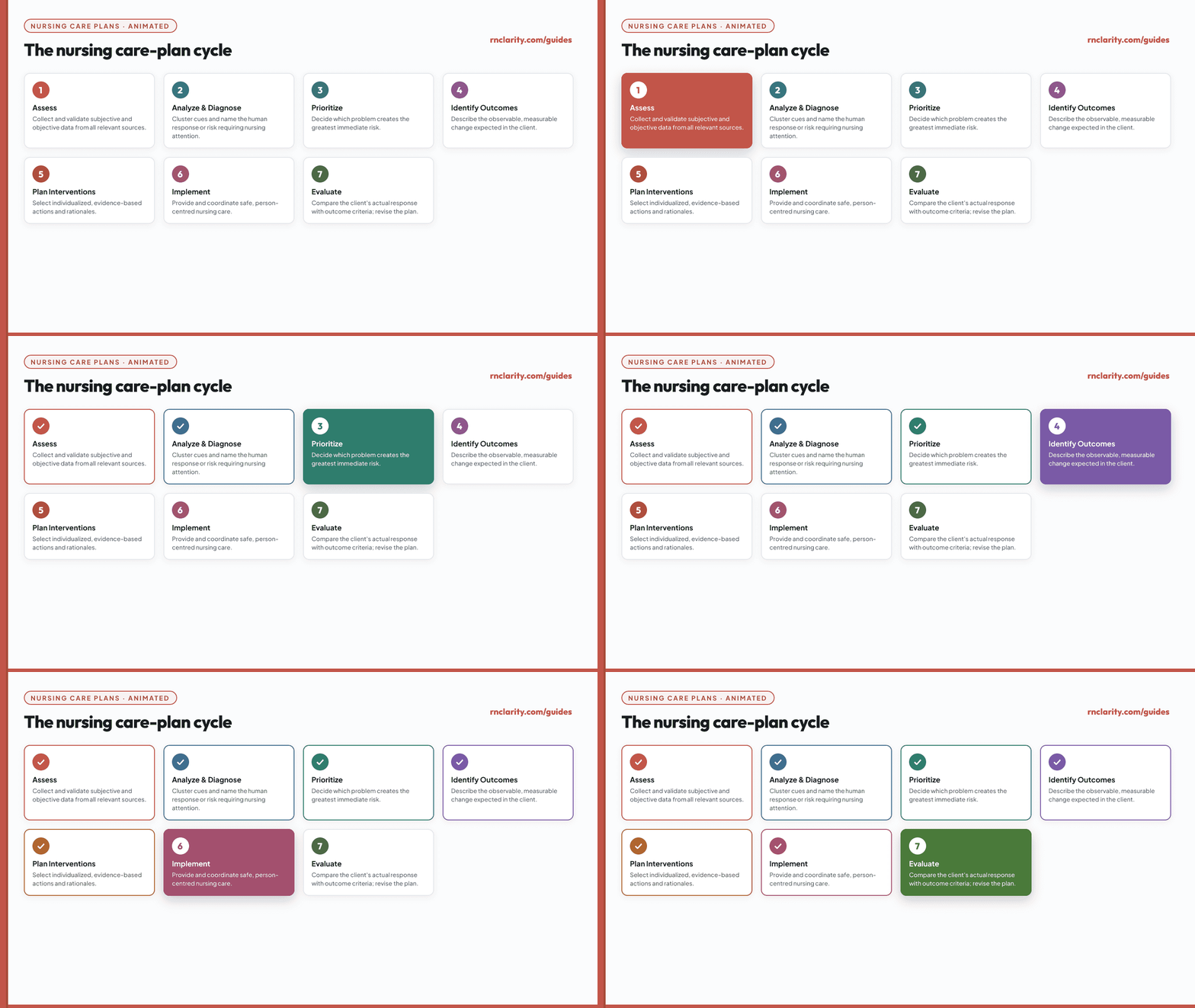
A practical combined model for care plans is:
- Assess: collect and validate meaningful data.
- Analyze and diagnose: cluster cues and name the nursing response or risk.
- Prioritize: decide which problem requires attention first.
- Identify outcomes: describe the measurable change expected in the client.
- Plan interventions: select individualized actions and rationales.
- Implement: provide and coordinate care safely.
- Evaluate: compare the response with the outcome and revise the plan.
The NCSBN® Clinical Judgment Measurement Model, or CJMM, uses six measurable steps: recognize cues, analyze cues, prioritize hypotheses, generate solutions, take action and evaluate outcomes. A care plan makes these thinking steps visible. Assessment contains the cues. The nursing problem reflects analysis. Priority shows which hypothesis matters most. Goals and interventions reflect solutions. Implementation is action. Evaluation shows whether the action produced the intended response.
Go deeper: For how the nursing process (ADPIE), the six clinical judgment steps and the before-during-after safety discipline work together as foundational nursing practice, see the fundamentals of nursing guide.
4. Step 1: Complete and Focused Assessment
Assessment is the foundation of the care plan. A weak assessment creates an inaccurate diagnosis, unrealistic goal, generic intervention and meaningless evaluation. A strong assessment is systematic, relevant, verified, person-centred and responsive to change.
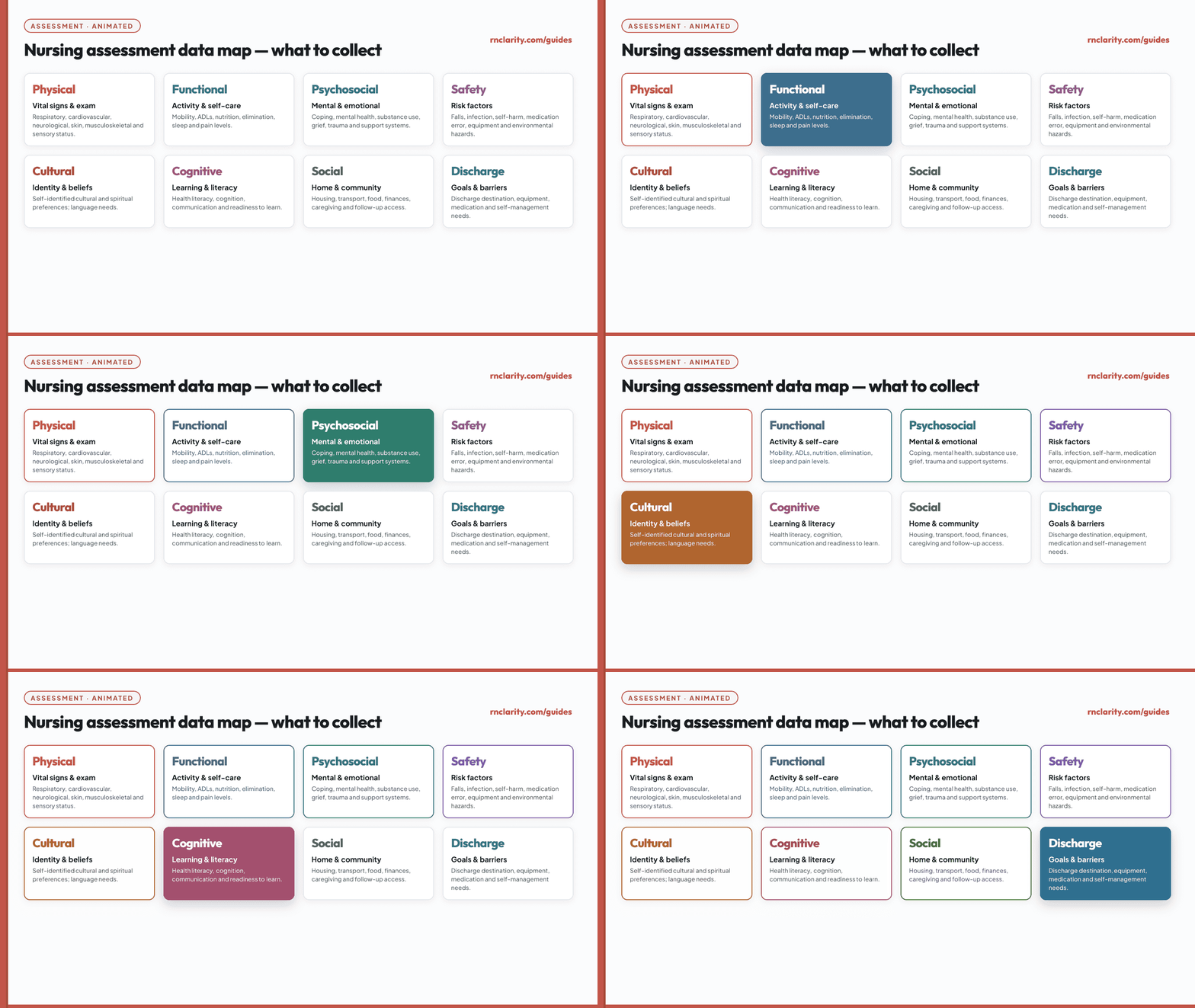
Assessment includes more than physical findings. The nurse considers the whole person and the situation in which care will occur. Depending on the setting, data may include:
- Current concern, symptoms and the client's own priorities.
- Vital signs, pain, level of consciousness, oxygenation and physical examination findings.
- Medical and surgical history, medications, allergies and previous responses to treatment.
- Laboratory, imaging, monitoring and diagnostic information.
- Functional ability, mobility, nutrition, elimination, sleep, skin and sensory needs.
- Emotional state, coping, mental health, substance use, grief, trauma and support systems.
- Developmental stage, cognition, communication, language and health literacy.
- Cultural and spiritual preferences identified by the client.
- Home environment, finances, transportation, housing, food access, caregiving and community resources.
- Safety risks such as falls, infection, violence, self-harm, medication error or equipment hazards.
- Learning needs, readiness, barriers and discharge goals.
4.1 Subjective data
Subjective data are reported experiences that cannot be directly measured by the nurse. They include symptoms, feelings, beliefs, goals and perceptions. Examples are nausea, dizziness, fear, fatigue, pain quality, shortness of breath and the statement that a treatment plan feels unaffordable.
Subjective information is not less valid than objective information. Pain, for example, is primarily understood through the client's report. The nurse may observe guarding or increased heart rate, but those findings do not replace asking the client about pain.
4.2 Objective data
Objective data are observed, measured or verified. Examples include temperature, wound appearance, gait, oxygen saturation, medication administration record, laboratory value and intake-output record. Objective data can still be inaccurate if the equipment, technique, timing or documentation is wrong. The nurse should verify unexpected findings.
4.3 Primary and secondary sources
The client is usually the primary source. Secondary sources include family or caregivers, previous records, emergency personnel, other health professionals and diagnostic results. Secondary information is valuable when the client is unable to communicate, but it should be distinguished from what the nurse directly observed or what the client personally reported.
4.4 Initial, ongoing, focused and emergency assessment
| Assessment type | Purpose | Example |
|---|---|---|
| Initial or comprehensive | Establish baseline needs, risks, strengths and priorities. | Admission assessment, full history and head-to-toe examination. |
| Ongoing | Detect change and evaluate response over time. | Repeat respiratory assessment after positioning and treatment. |
| Focused | Investigate a specific symptom, system or risk. | Neurovascular assessment of a limb after casting. |
| Emergency | Identify and treat immediate threats rapidly. | Airway, breathing, circulation, neurological and safety check during deterioration. |
A complete care plan may begin with a comprehensive assessment, but the nurse must continue focused reassessments. A diagnosis written at admission may become lower priority or no longer accurate after treatment. The current plan should reflect current data.
5. Validating, Organizing and Clustering Cues
Raw data do not become a care plan automatically. The nurse must decide what is reliable, relevant and connected. Validation means checking data that are inconsistent, unexpected, incomplete or high risk. It may involve repeating a measurement, checking technique, asking a clarifying question, comparing with baseline or reviewing the source record.
Examples of findings that require validation include an oxygen saturation that suddenly falls without a change in the client, a very different blood pressure from baseline, a medication allergy that conflicts with the current medication list, a weight entered in pounds when the record expects kilograms or a family statement that differs from the client's account.
Cue clustering means grouping related information into patterns. A single ankle swelling finding may have several explanations. When it appears with rapid weight gain, crackles, orthopnea and reduced oxygen saturation, the cluster strongly supports a fluid and oxygenation concern. Clustering prevents a care plan from becoming a collection of unrelated abnormal values.
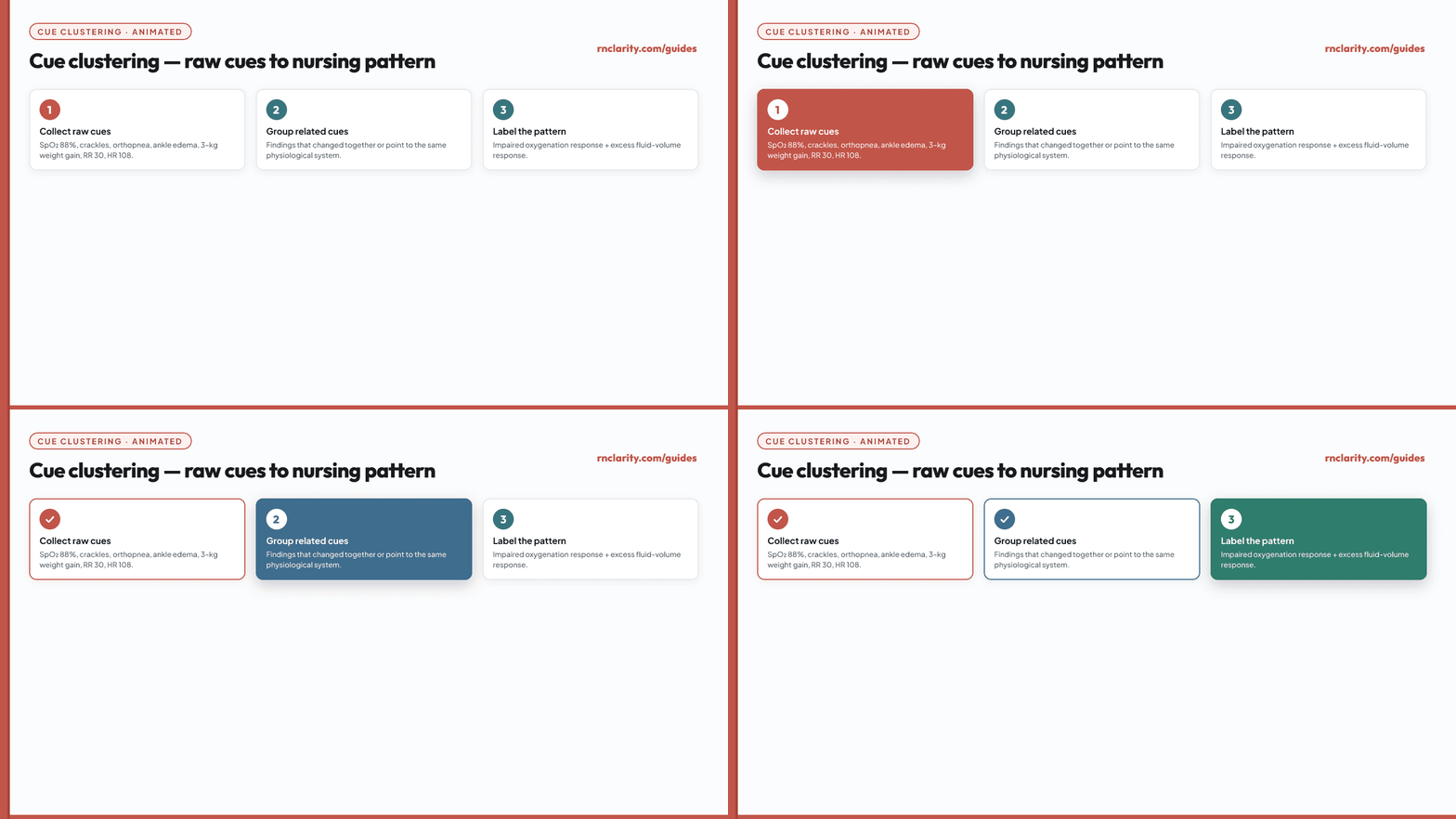
Use these questions when clustering cues:
- Which findings appeared together or changed at the same time?
- Which findings support the same physiological, psychosocial or functional problem?
- Which data are expected for the condition or treatment, and which are unexpected?
- What trend is more important than a single number?
- Which cue creates immediate risk if ignored?
- Which information is unrelated to the current priority but still requires later care?
- What information is missing before a safe conclusion can be made?
- What strengths or resources can help the client achieve the outcome?
Do not diagnose from one cue: One abnormal value can be important, but a defensible nursing problem usually comes from a pattern, trend, risk context or clearly validated client response.
6. Step 2: Nursing Diagnosis and Problem Statements
A nursing diagnosis is a clinical judgment about a human response to a health condition, life process or vulnerability. It identifies what nursing can assess, prevent, reduce, support or manage. It does not replace the medical diagnosis and does not authorize medical treatment outside the nurse's scope.
The nursing problem should be supported by the assessment and should guide the rest of the plan. If the diagnosis is vague, the goals and interventions will also be vague. If the diagnosis is inaccurate, the plan may direct attention away from the client's real need.
As of July 2026, the current NANDA-I reference is Nursing Diagnoses: Definitions and Classification, 2024–2026, 13th Edition. Nursing students should use the authorized edition and exact terminology required by their program. This guide explains the reasoning process but does not reproduce the proprietary classification or its full definitions.
A useful problem statement should be:
- Accurate: supported by the client's data.
- Specific: clear enough to guide targeted outcomes and interventions.
- Within nursing scope: focused on a response or risk nursing can address.
- Individualized: connected to this client rather than copied from a diagnosis list.
- Current: revised when the condition changes.
- Nonjudgmental: free from blame, assumptions and stigmatizing language.
- Prioritized: positioned according to urgency, risk and client goals.
Go deeper: For a complete walkthrough of nursing diagnoses — how to choose them, write them and avoid common mistakes — see the nursing diagnoses guide. For how nursing diagnosis and clinical judgment work together in NCLEX-RN® NGN case studies, see the NGN case studies guide.
7. Medical Diagnoses, Nursing Diagnoses and Collaborative Problems
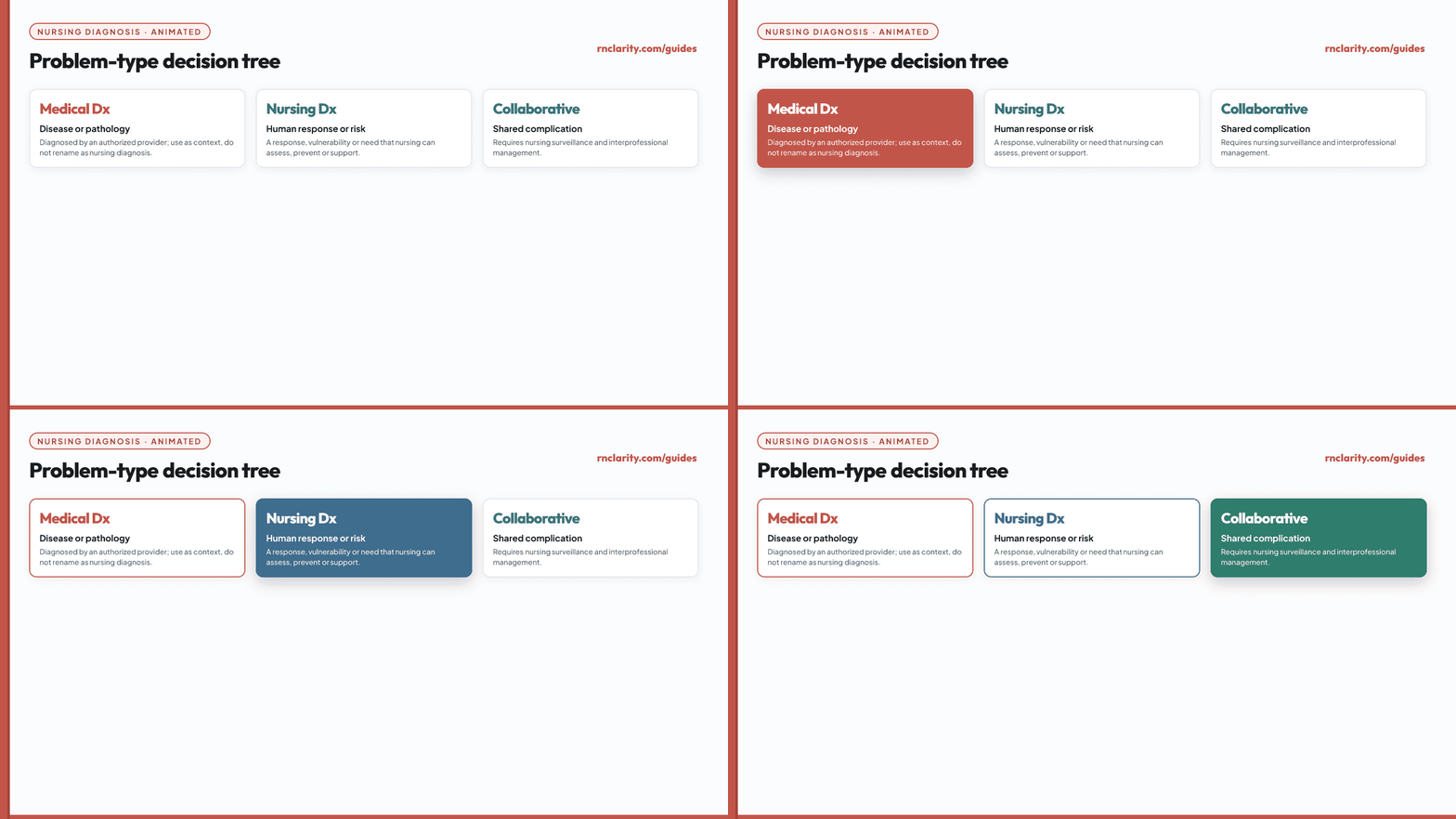
Students often confuse three different kinds of clinical statements. Each has a different purpose.
| Type | What it describes | Example focus | Nursing implication |
|---|---|---|---|
| Medical diagnosis | A disease, injury or pathological condition diagnosed by an authorized provider. | Pneumonia, heart failure, stroke, diabetes. | The nurse uses it as context but does not replace it with a nursing diagnosis. |
| Nursing diagnosis or nursing problem | A human response, vulnerability, function or learning need addressed through nursing care. | Impaired oxygenation response, pain, mobility limitation, risk, coping or self-management need. | Guides nursing outcomes, interventions and evaluation. |
| Collaborative problem | A potential or actual complication requiring shared monitoring and interprofessional management. | Bleeding, dysrhythmia, sepsis progression, treatment-related complication. | The nurse monitors, recognizes change, implements orders and escalates promptly. |
A medical diagnosis can remain the same while nursing priorities change. A client admitted with pneumonia may first require care for impaired oxygenation. Later, as respiratory status improves, activity tolerance, nutrition, sleep, knowledge and discharge readiness may become more important.
Collaborative problems are especially important in acute care. The nurse may not independently treat a postoperative hemorrhage, but nursing surveillance and rapid escalation are essential. A care plan that ignores complications because they are not independent nursing diagnoses is incomplete.
8. Types and Structure of Nursing Diagnoses
Diagnostic taxonomies may distinguish several diagnosis types. The terminology and required sentence format should follow the current authorized reference and the learner's program.
| Category | When it is used | Evidence needed | Typical structure |
|---|---|---|---|
| Problem-focused | A current human response is present. | Defining cues or characteristics support the problem. | Problem related to contributor as evidenced by cues. |
| Risk-focused | The response is not present, but vulnerability is significant. | Risk factors support the vulnerability; current symptoms of the problem are absent. | Risk for problem related to risk factors, using the format required by the program. |
| Health-promotion | The client expresses readiness or desire to improve health or well-being. | Motivation, goals, strengths or readiness cues. | Readiness-focused statement supported by the client's expressed goals. |
| Syndrome | A recognized cluster of related nursing diagnoses is expected to occur together. | The pattern and context support the syndrome label. | Use the authorized label and required evidence. |
Problem-focused diagnoses commonly use the PES learning structure: problem, etiology and signs/symptoms. The problem names the response. The etiology identifies a contributor that nursing care can influence. The signs and symptoms show how the response appears in this client.
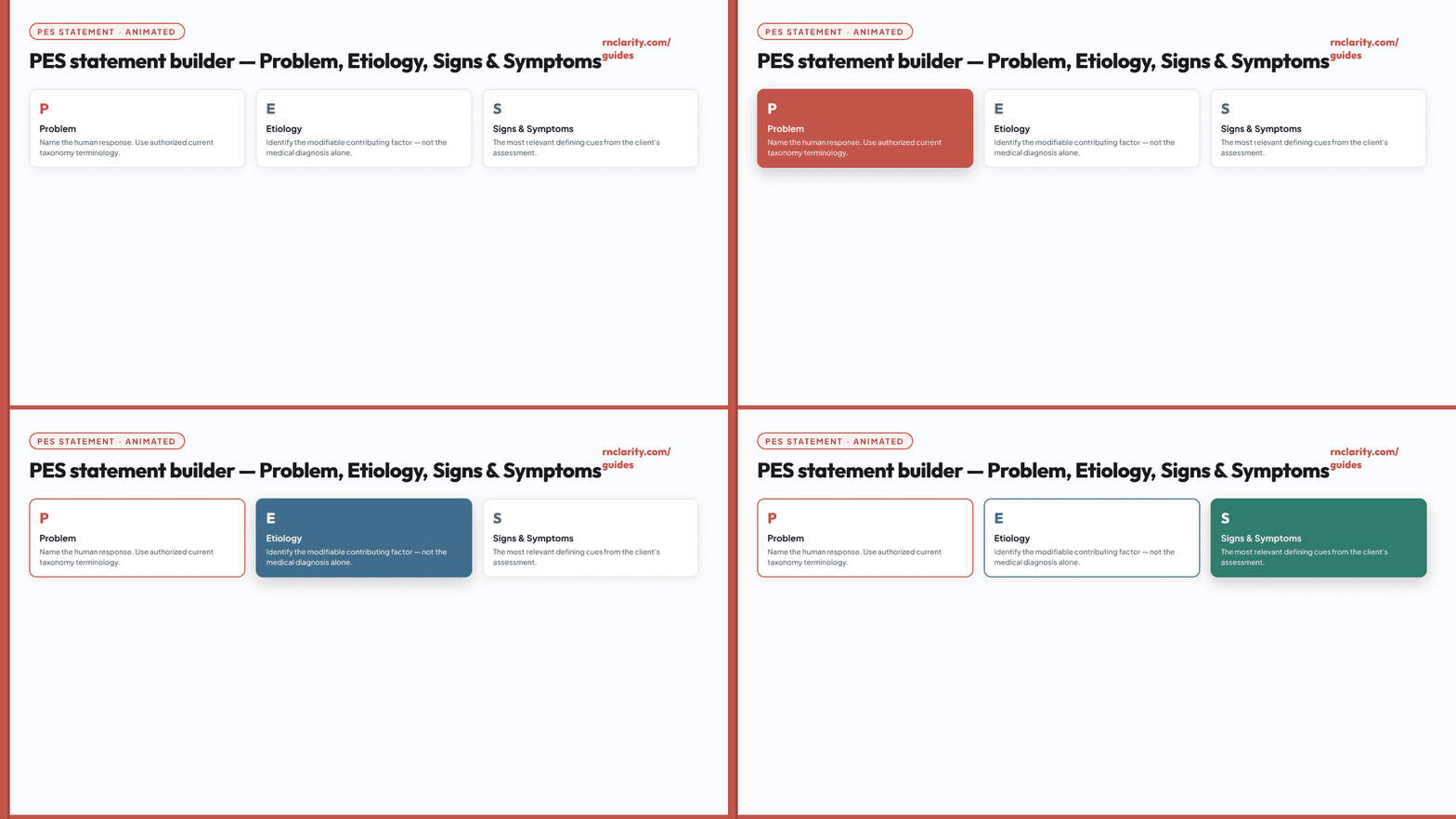
The "related to" part should not simply repeat the medical diagnosis. For example, writing "activity intolerance related to heart failure" is less useful than identifying the modifiable reason, such as imbalance between oxygen supply and demand, generalized weakness or prolonged immobility, when supported by the assessment and allowed by the required taxonomy.
The "as evidenced by" part should contain the most relevant defining cues, not every abnormal finding. Choose evidence that directly supports the problem and will later help evaluate whether the response improved.
Go deeper: For a deeper look at diagnosis types, the PES structure and worked examples across body systems, see the nursing diagnoses guide.
9. Writing Problem-Focused, Risk and Health-Promotion Statements
9.1 Problem-focused statement
A problem-focused statement identifies a current response. A school-friendly pattern is: [problem] related to [modifiable contributor] as evidenced by [assessment cues]. This structure should be adapted to the terminology rules of the program.
Example: Acute pain related to tissue injury from surgery as evidenced by client report of pain 7/10, guarding and limited deep breathing.
The statement is useful because each part guides the plan. Pain is the response. Tissue injury explains the immediate contributor. The pain score, guarding and limited deep breathing provide evidence and identify measurable targets.
9.2 Risk-focused statement
A risk diagnosis is used when the unwanted response has not occurred. Do not add current signs and symptoms of the problem, because their presence would suggest an actual problem rather than a risk. Instead, identify the vulnerability and relevant risk factors according to the required format.
Example: Risk for falls related to unsteady gait, unfamiliar environment, urgent toileting needs and sedating medication.
If the client has already fallen and sustained an injury, the plan should include the actual injury response and continuing fall risk rather than pretending the problem is only potential.
9.3 Health-promotion statement
A health-promotion diagnosis is appropriate when the client shows readiness to improve. It should not be used merely because the nurse wants to teach. The assessment should show motivation, a stated goal, willingness to participate or an opportunity to build on existing strengths.
Example: Readiness to improve health management as shown by the client's request for a daily medication routine, questions about home blood-pressure monitoring and identification of a family support person.
9.4 Diagnostic statement quality check
- Does the assessment support the problem?
- Is the wording within nursing scope?
- Does the related factor identify something the plan can influence?
- Are the defining cues specific to the client?
- Would the goal clearly measure improvement in this problem?
- Do the interventions directly address the problem and related factor?
- Is there a higher-priority problem that should be addressed first?
- Have current taxonomy and school requirements been followed?
10. Prioritizing Nursing Problems
A client may have many valid nursing problems, but the nurse cannot treat all of them first. Prioritization identifies which problem creates the greatest immediate risk, which action is time-sensitive and which goals matter most to the client.
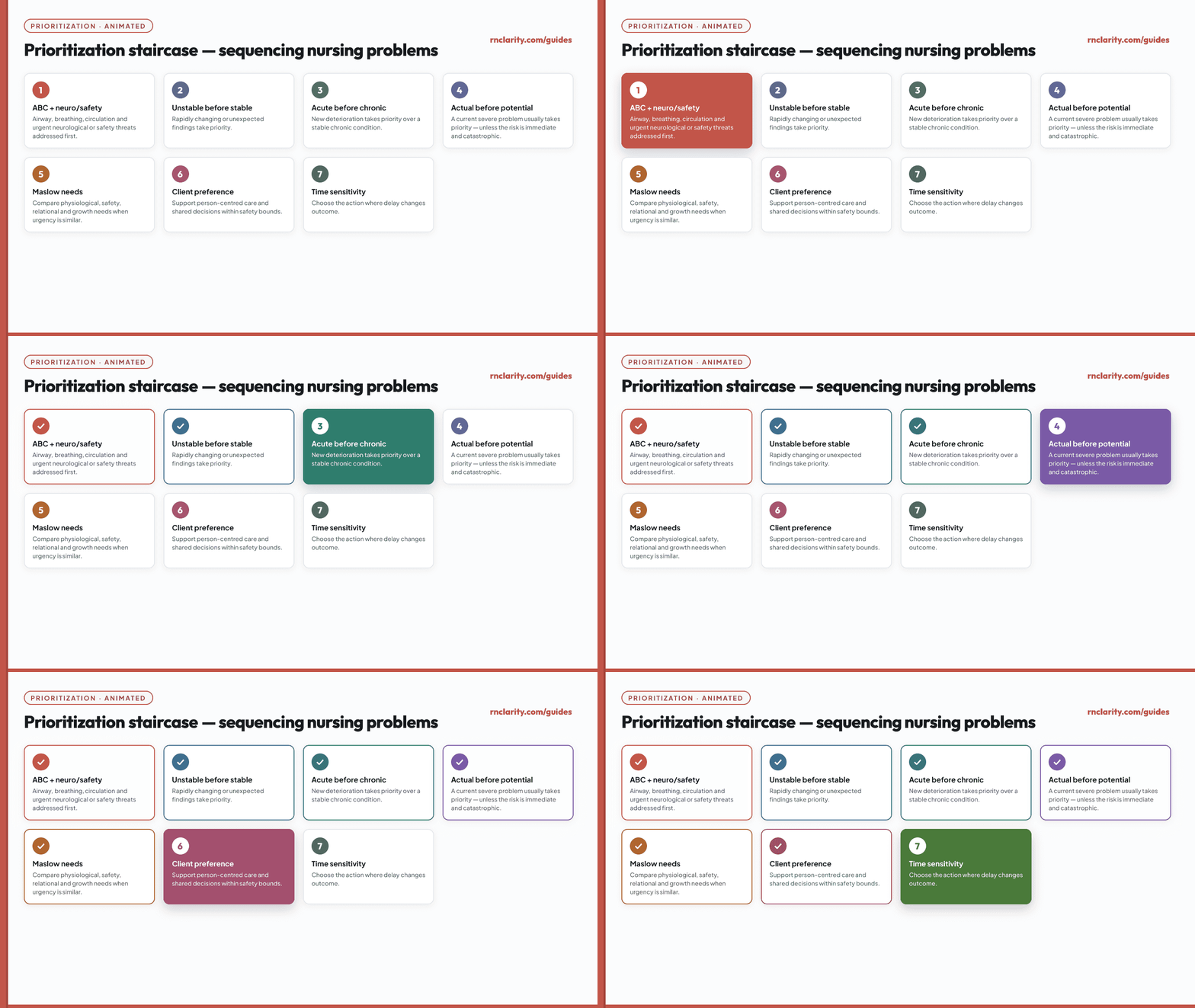
No single prioritization framework answers every question. Safe decisions combine several approaches:
| Framework | How it helps | Important limitation |
|---|---|---|
| Airway, breathing, circulation and urgent neurological/safety threats | Identifies immediate life threats. | Do not use mechanically when the scenario provides a more urgent specific hazard. |
| Unstable before stable | Highlights rapidly changing or unexpected findings. | A stable-looking client can still have a time-sensitive hidden risk. |
| Acute before chronic | Directs attention to new deterioration. | A chronic condition may become acutely unstable. |
| Actual before potential | Often favors a current severe problem. | A potential event can take priority when the risk is immediate and catastrophic. |
| Maslow-type needs | Helps compare physiological, safety, relational and growth needs. | It is not a rigid rule and does not replace clinical data. |
| Client preference and goals | Supports person-centred care and shared decisions. | Preferences must be addressed within safety, law and informed consent. |
| Time sensitivity | Identifies interventions where delay changes outcome. | Urgency should be supported by the scenario, not fear alone. |
Priority is also influenced by relationships among problems. Severe pain may limit deep breathing and mobility, which can increase pulmonary and thrombotic risk. Treating pain can therefore support several outcomes. Conversely, focusing only on pain while ignoring respiratory depression would be unsafe.
A useful priority sentence is: This problem is first because… Complete it with evidence from the client. For example: "Impaired oxygenation is first because the client has a new oxygen saturation of 86%, increased work of breathing and confusion, creating an immediate threat."
Go deeper: For how prioritization decisions appear on the NCLEX-RN® as priority and delegation questions, see the practice questions guide.
11. Step 3: Expected Outcomes and Goals
An expected outcome describes the observable change the nurse and client hope to achieve. It is not an intervention. "Encourage fluids" is an action. "The client will drink at least 1,500 mL during the next 24 hours unless restricted" is an outcome.
Outcomes make evaluation possible. Without a measurable outcome, the nurse may document that care was given but cannot clearly determine whether it worked. Good outcomes also help the team coordinate efforts and help the client understand what progress looks like.
Outcomes may be short term or long term:
| Type | Purpose | Example |
|---|---|---|
| Immediate | Stabilize an urgent problem within minutes or hours. | Within 15 minutes, oxygen saturation will be at least the ordered target and work of breathing will decrease. |
| Short term | Achieve progress during a shift or short admission. | By 18:00, pain will be 3/10 or less during deep breathing. |
| Long term | Support recovery, function or self-management after discharge. | Within two weeks, the client will record daily weights and identify when to contact the care team. |
The outcome should usually focus on the client's response rather than the nurse's activity. "The nurse will teach wound care" does not show learning. "Before discharge, the client will demonstrate wound care using clean technique and state three signs requiring follow-up" is measurable.
12. Writing SMART and Person-Centred Outcomes
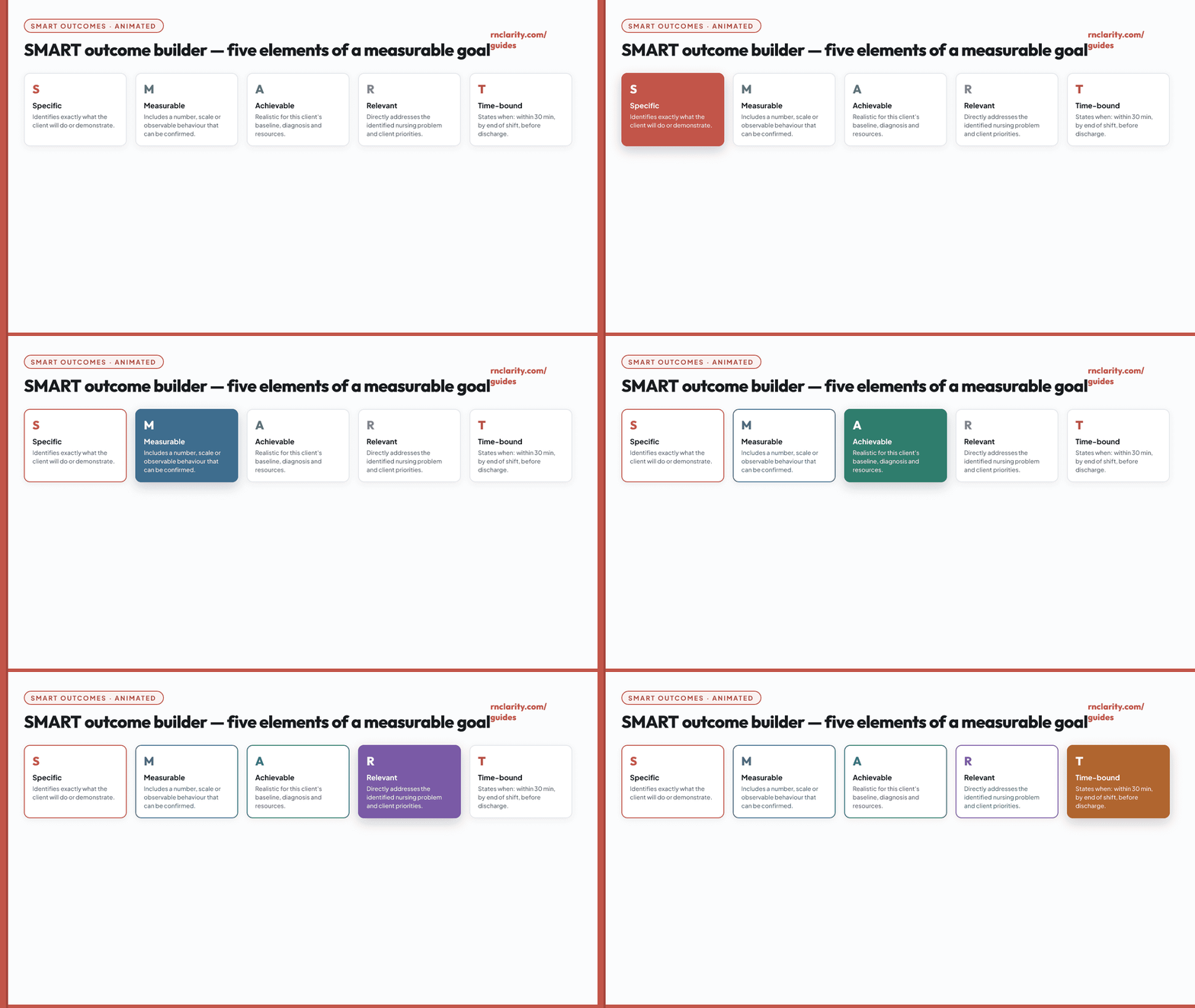
The SMART framework helps make outcomes specific, measurable, achievable, relevant and time-bound. A good outcome identifies who will do what, how well and by when.
| Weak outcome | Why it is weak | Improved outcome |
|---|---|---|
| Client will feel better. | "Better" is not measurable. | By 16:00, the client will report nausea at 2/10 or less and tolerate 120 mL of oral fluid without vomiting. |
| Client will understand diabetes. | Understanding is too broad and not directly observed. | Before discharge, the client will demonstrate glucose testing and state the action to take for a reading below the prescribed threshold. |
| Client will ambulate. | No distance, assistance level or time is stated. | By the end of the shift, the client will walk 30 metres with a walker and one-person standby assistance without dizziness. |
| Wound will heal. | May be unrealistic within the time available. | Within 72 hours, the wound will show no increase in redness, drainage or separation, and temperature will remain below the reporting threshold. |
| No falls. | Important but incomplete as a learning outcome. | During hospitalization, the client will remain free from falls and will use the call system before standing on every observed attempt. |
Person-centred outcomes should reflect what matters to the client. A nurse may value walking 50 metres, while the client's meaningful goal is reaching the bathroom independently. The final outcome can include clinical safety and the client's functional priority.
Outcomes should be realistic for the diagnosis, baseline and timeframe. A client with a progressive condition may not return to normal function, but the plan can still target comfort, safety, independence, communication, prevention and quality of life.
One outcome, one clear measure: Avoid combining five unrelated results in one sentence. Separate outcomes make it easier to choose interventions and evaluate accurately.
Go deeper: For active-learning strategies including how to use care-plan exercises and retrieval practice in your NCLEX-RN® study, see the active learning guide.
13. Step 4: Selecting Nursing Interventions
A nursing intervention is a purposeful action selected to achieve an outcome or prevent harm. Interventions should be individualized, specific, feasible, evidence-informed and within scope. They should state enough detail that another nurse can understand what is required.
Interventions can be grouped in several ways:
| Intervention type | Description | Example |
|---|---|---|
| Independent nursing intervention | Initiated within nursing scope without a new provider order. | Reposition, assess, teach, protect skin, encourage safe mobility or use a comfort strategy. |
| Provider-initiated intervention | Carries out an authorized prescription or treatment plan. | Administer prescribed medication, oxygen or therapy after required verification. |
| Collaborative intervention | Completed with another professional or service. | Coordinate with pharmacy, physiotherapy, dietetics, respiratory therapy or social work. |
| Direct care | Performed with or for the client. | Wound care, mobility assistance, assessment or medication administration. |
| Indirect care | Supports care away from direct contact. | Review results, arrange referral, update handoff or obtain equipment. |
A strong intervention often includes: action + frequency/timing + method + conditions + what to report or evaluate. Compare "monitor breathing" with "Assess respiratory rate, effort, breath sounds, oxygen saturation and mental status at least every four hours and after each intervention; escalate new stridor, increasing oxygen need or acute confusion immediately."
Interventions should address both the problem and its contributing factors. For pain after surgery, medication alone may be insufficient. The plan may include positioning, splinting, timing analgesia before activity, breathing support, anxiety reduction and evaluation of sedation and respiratory status.
Common intervention purposes include:
- Assessment and surveillance.
- Prevention of complications.
- Direct treatment or comfort.
- Environmental or equipment safety.
- Medication and procedural support.
- Education and self-management.
- Emotional, cultural and spiritual support.
- Mobility, nutrition, elimination and functional recovery.
- Coordination, referral and discharge planning.
- Evaluation and escalation.
14. Writing Evidence-Based Rationales
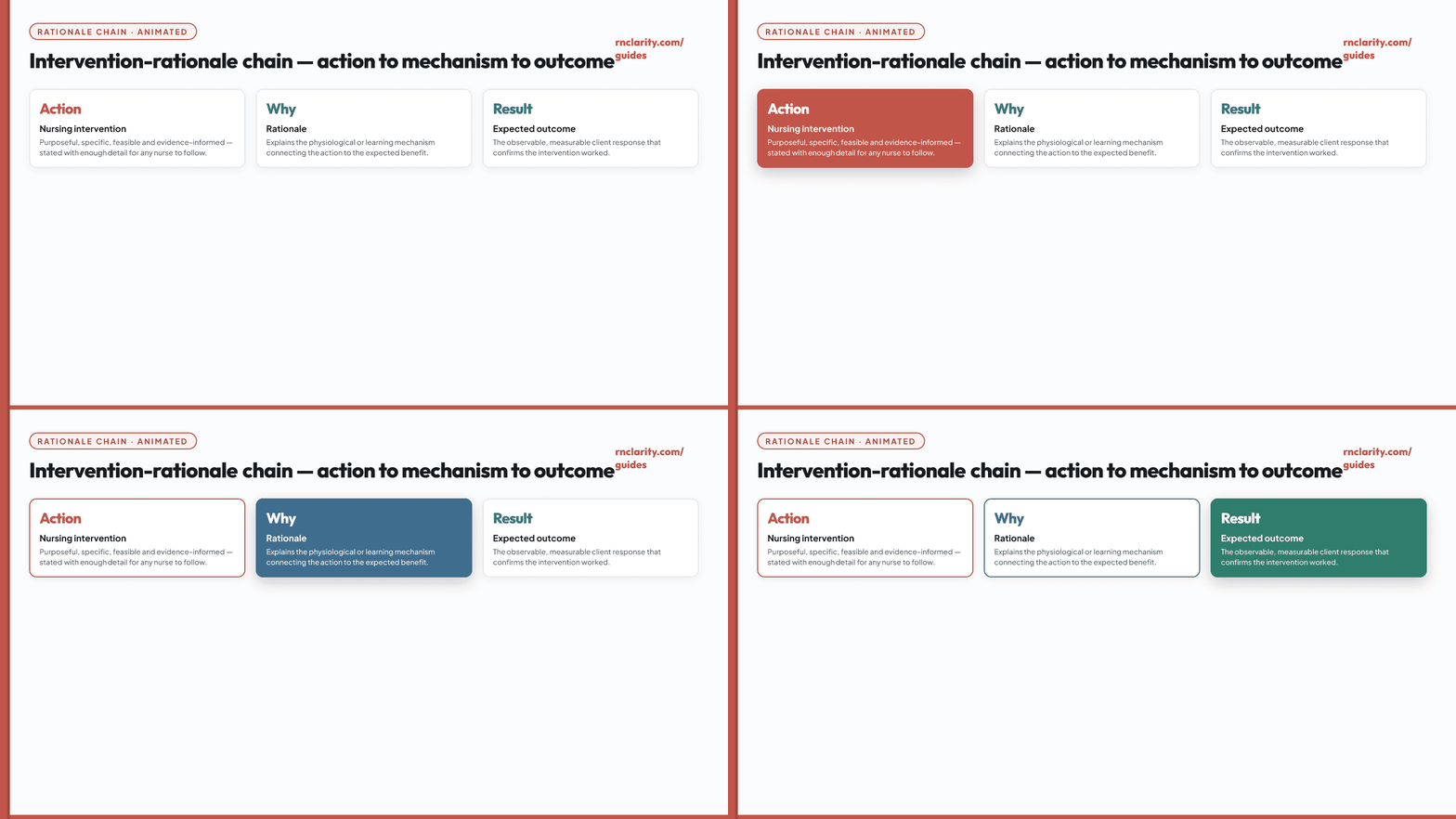
A rationale explains why an intervention is expected to improve the outcome or reduce risk. It connects nursing action with physiology, evidence, safety, learning theory or the client's context. A rationale should not merely repeat the intervention in different words.
| Intervention | Weak rationale | Stronger rationale |
|---|---|---|
| Reposition the client upright. | Helps breathing. | Upright positioning can increase thoracic expansion and reduce pressure from abdominal contents, which may improve ventilation and work of breathing. |
| Assess pain before and after analgesia. | To check pain. | Comparing the same pain measure before and after treatment shows therapeutic response and helps detect inadequate relief or excessive adverse effects. |
| Turn the immobile client on an individualized schedule. | Prevents pressure injury. | Regular pressure redistribution reduces the duration of tissue compression; the schedule should reflect skin condition, support surface, perfusion, comfort and tolerance. |
| Use teach-back for discharge instructions. | Ensures understanding. | Teach-back asks the client to explain the plan in their own words, helping identify misunderstandings that can be corrected before discharge. |
| Measure daily weight under consistent conditions. | Checks fluid status. | Consistent daily weight is a sensitive indicator of short-term fluid change and can support early recognition of fluid accumulation or loss. |
Rationales should come from appropriate sources. For clinical assignments, use current textbooks, clinical guidelines, government resources, professional organizations or peer-reviewed evidence as required by the school. Do not cite a commercial study website as the only authority for a clinical recommendation.
The rationale should match the client and action. A generic statement such as "improves circulation" is not enough when the intervention is specifically intended to prevent venous thromboembolism, improve tissue perfusion or reduce pressure. Name the relevant mechanism.
When evidence or policy varies, state the uncertainty and follow the institution's protocol. Care plans should not invent a frequency, medication parameter or procedure step that is not supported by an order, policy or current evidence.
15. Step 5: Implementing the Care Plan
Implementation is the point at which planned care becomes real care. Before acting, the nurse confirms that the intervention is still appropriate. A plan written earlier may need to change if the client's condition, orders, consent, preferences or resources have changed.
A safe implementation sequence includes:
- Reassess: confirm current status and whether the planned intervention remains indicated.
- Verify: check orders, identity, allergies, precautions, equipment and required parameters.
- Explain and obtain cooperation: communicate in a way the client can understand and respect the right to ask questions or refuse.
- Prepare: gather resources, protect privacy, use infection-prevention measures and arrange assistance.
- Perform safely: follow standards, policy, scope and evidence.
- Observe the immediate response: look for therapeutic effect, discomfort, deterioration or adverse event.
- Document and communicate: record what occurred, the response and any required follow-up.
- Update the plan: revise priorities and interventions when new information appears.
Implementation is not limited to tasks. Therapeutic communication, advocacy, coordination, teaching and prevention are nursing interventions. Helping a client identify a realistic medication routine may be as important to long-term outcomes as performing a procedure correctly.
Never implement an outdated plan: If the client has changed, reassess and revise. "It was on the care plan" does not justify an intervention that is now unsafe, unnecessary or inconsistent with the client's informed choice.
16. Delegation, Collaboration and Care Coordination
The RN may delegate selected tasks, but the RN retains responsibility for nursing judgment, appropriate direction, supervision and evaluation according to jurisdiction, policy, role and client condition. The care plan should make delegated work clear without transferring the RN's accountability for assessment and interpretation.
Before delegating, consider:
- Is the task appropriate for delegation?
- Is the client stable and the outcome predictable?
- Does the person have the required competence and authorization?
- Are the instructions clear, including what must be reported immediately?
- Can the RN supervise and evaluate the result?
- Does the task require assessment, teaching, interpretation or a decision that must remain with the RN?
Collaboration extends beyond delegation. A complex care plan may involve pharmacists, physicians or nurse practitioners, respiratory therapists, dietitians, physiotherapists, occupational therapists, social workers, speech-language pathologists, wound specialists, spiritual care, community services and family caregivers chosen by the client.
AHRQ describes care coordination as deliberately organizing care activities and sharing information so that a person's needs and preferences are known and used to guide safe, appropriate and effective care. A proactive care plan, follow-up and support for self-management are central parts of that work.
Handoffs should communicate the current priority, relevant background, assessment changes, actions already taken, response, pending tasks and what the next nurse should watch. A care plan that is accurate but not communicated cannot protect the client.
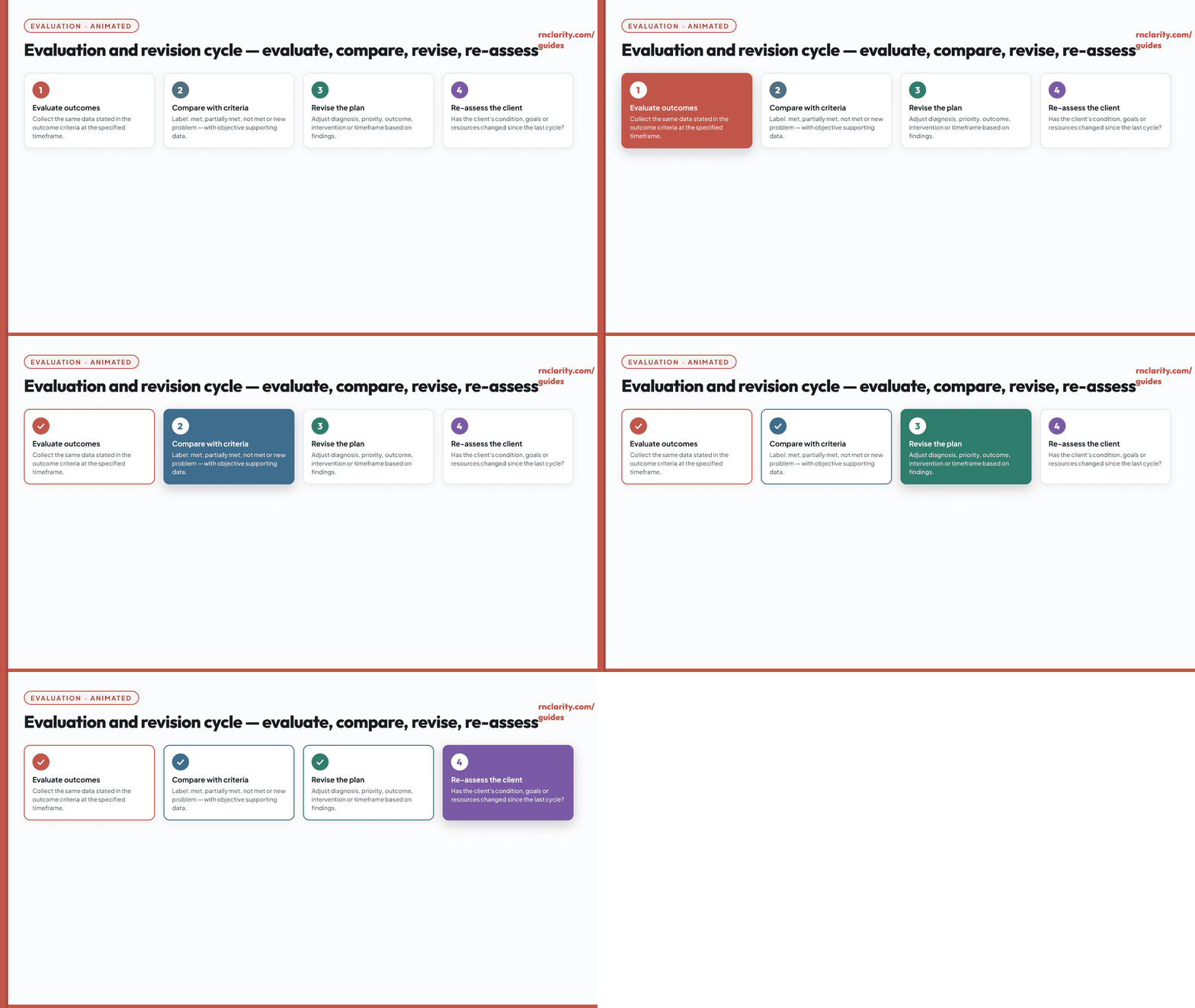
17. Step 6: Evaluation and Revision
Evaluation compares the client's actual response with the outcome criteria. It is not simply writing "goal met." The nurse should state what data were observed, whether the outcome was met, partially met or not met, and what will change next.
| Evaluation result | Meaning | Possible next action |
|---|---|---|
| Met | The stated criteria were achieved within the timeframe. | Continue maintenance, reduce intensity, advance the plan or prepare discharge. |
| Partially met | Some criteria improved, but the full target was not achieved. | Identify the remaining barrier, adjust timing or intervention and continue reassessment. |
| Not met | The expected change did not occur or the condition worsened. | Reassess data, diagnosis, priority, outcome, intervention, adherence, resources and timeframe. |
| New problem | Evaluation reveals a new risk or deterioration. | Reprioritize immediately, intervene or escalate as required and create a new plan element. |
Evaluation must use the same measure stated in the outcome. If the outcome concerns walking distance and dizziness, documenting only pain does not evaluate it. If the outcome concerns teaching, the nurse should observe teach-back or return demonstration rather than simply recording that instructions were given.
Examples:
- Met: "By 18:00, client reported pain 2/10 and completed deep breathing without guarding; outcome met. Continue pre-activity analgesia and reassess sedation."
- Partially met: "Client walked 20 of the planned 30 metres with standby assistance but stopped because of dizziness; outcome partially met. Reassess orthostatic vital signs and medication timing before the next attempt."
- Not met: "Oxygen saturation remained below the ordered target and work of breathing increased despite positioning; outcome not met. Escalated care and updated respiratory plan."
- New problem: "During wound evaluation, new purulent drainage and fever were identified; infection concern added and provider notified."
Evaluation is continuous, not limited to the end of a shift. A high-risk intervention may require evaluation within minutes. A health-promotion goal may require days or weeks. The timeframe should match the expected response.
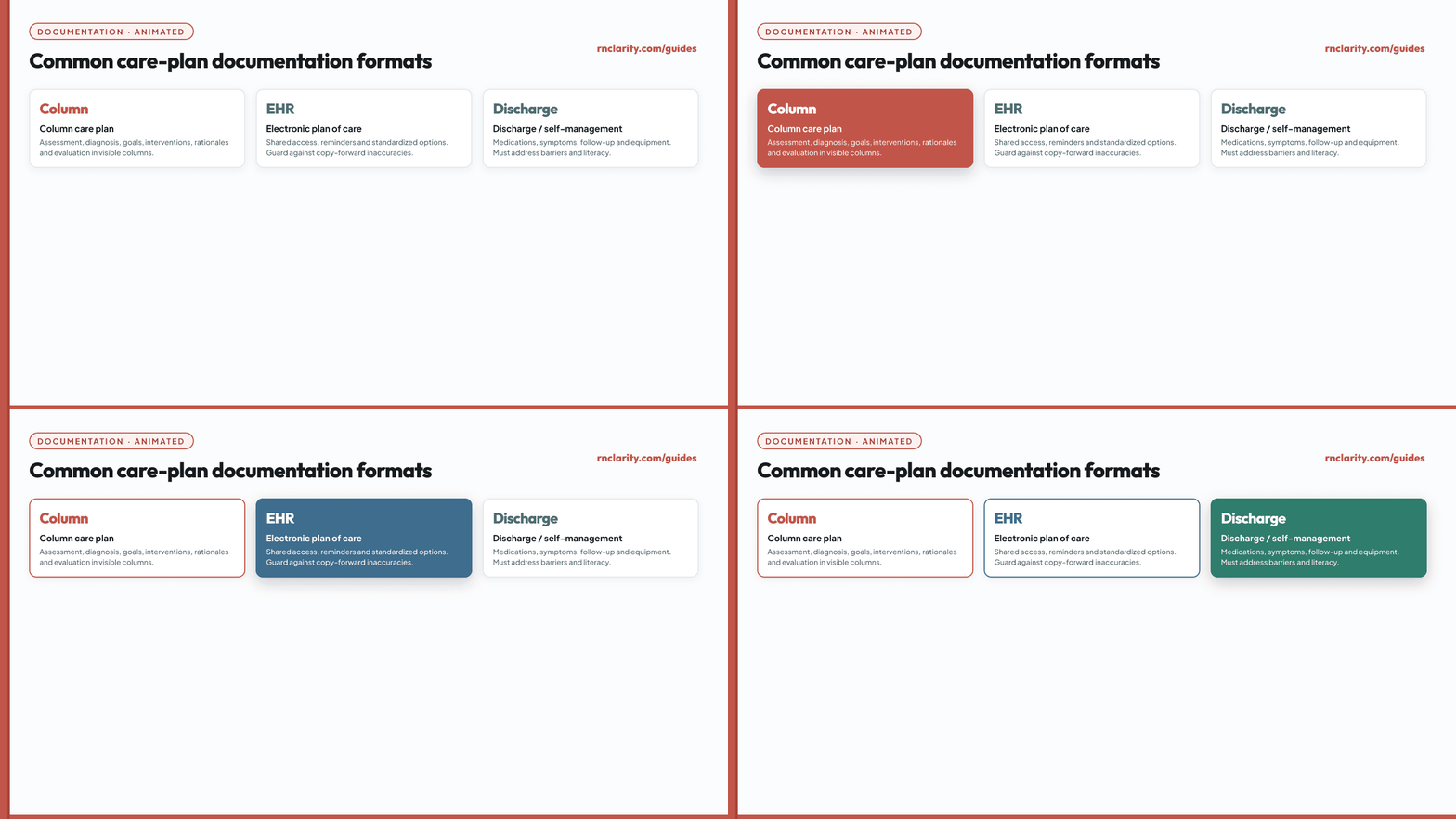
18. Documentation and Common Care-Plan Formats
Care plans appear in different formats depending on the school, clinical setting and electronic record. The format matters less than the clarity of the reasoning and the accuracy of the information.
| Format | Strength | Risk or limitation |
|---|---|---|
| Column care plan | Makes assessment, diagnosis, goals, interventions, rationales and evaluation visible. | Can become repetitive or overly academic if not updated. |
| Narrative plan | Allows context and individualized reasoning. | Important elements can be difficult to find quickly. |
| Concept map | Shows relationships among diagnoses, treatments, cues and risks. | May become crowded or visually unclear. |
| Electronic plan of care | Supports shared access, standardized options, reminders and updates. | Copy-forward and unchecked default options can create inaccurate plans. |
| Clinical pathway | Coordinates expected care and milestones for a common condition or procedure. | Must be individualized when the client does not follow the expected course. |
| Discharge or self-management plan | Focuses on medications, symptoms, follow-up, equipment, support and client goals. | Can fail when barriers, literacy, cost or caregiver capacity are not assessed. |
Good documentation is timely, factual, complete, relevant and consistent with the record. Avoid judgmental phrases, unsupported conclusions and vague statements such as "doing well." Document the observation: "Walked 30 metres with walker and standby assistance; denied dizziness; heart rate increased from 82 to 98 beats/min and returned to 86 after three minutes."
Do not copy a previous care plan without verifying every element. Copy-forward can preserve discontinued precautions, resolved diagnoses, incorrect laterality, old goals or interventions no longer appropriate. The nurse should edit the plan to match the current client.
For school assignments, cite rationales in the required style and distinguish between what was actually performed and what would be appropriate in a simulated plan. Never document an intervention as completed when it was not performed.
19. Complete Worked Care-Plan Example
The following original example demonstrates how the steps connect. It is educational and not a substitute for orders, institutional policy or individualized care.
19.1 Scenario
A 72-year-old client with a history of heart failure reports increasing shortness of breath over three days. The client sleeps in a chair because breathing is worse when lying flat. Assessment shows respiratory rate 30/min, oxygen saturation 88% on room air, bilateral crackles, ankle edema, 3-kg weight gain in one week, heart rate 108/min and urine output lower than usual. The client is anxious and states, "I thought the swelling would go away."
19.2 Cue analysis
- Low oxygen saturation, tachypnea, crackles and orthopnea suggest impaired oxygenation and pulmonary fluid accumulation.
- Edema, rapid weight gain and reduced urine output support fluid retention.
- Anxiety may be a response to dyspnea but should not replace the physiological priority.
- The client's statement reveals a teaching and self-management need that becomes important after stabilization.
19.3 Priority problem
The immediate priority is the oxygenation response because the client has hypoxemia and increased work of breathing. Fluid volume is closely related and must also be managed. Teaching is important but should not delay stabilization.
Care-plan element A: Impaired oxygenation response
Assessment cues: Respiratory rate 30/min, oxygen saturation 88% on room air, bilateral crackles, orthopnea, anxiety and difficulty speaking full sentences.
Nursing problem statement: Impaired gas exchange related to fluid accumulation affecting alveolar gas exchange as evidenced by low oxygen saturation, tachypnea, crackles and dyspnea. Verify exact diagnostic terminology with the required current reference.
Expected outcome: Within 30 minutes of interventions, oxygen saturation will reach the prescribed target, respiratory rate will decrease toward baseline and the client will report easier breathing.
Interventions and rationales:
- Position in high Fowler position and support the arms. Rationale: Upright positioning can increase lung expansion and may reduce venous return and work of breathing.
- Assess respiratory rate, effort, breath sounds, oxygen saturation and mental status frequently. Rationale: Trends show whether gas exchange is improving and help identify deterioration requiring escalation.
- Administer prescribed oxygen and other ordered therapy; verify response and adverse effects. Rationale: Ordered therapy may improve oxygen delivery and address the underlying fluid-related problem.
- Reduce unnecessary exertion and cluster essential care while the client is unstable. Rationale: Limiting oxygen demand may reduce dyspnea until respiratory status improves.
- Escalate increasing oxygen need, worsening confusion, silent breath sounds or exhaustion immediately. Rationale: These findings can indicate severe deterioration and possible respiratory failure.
Evaluation: After 30 minutes, oxygen saturation increased to the ordered target, respiratory rate decreased to 23/min and the client could speak full sentences. Outcome met for initial stabilization; continue monitoring and treat the fluid problem.
Care-plan element B: Excess fluid-volume response
Assessment cues: 3-kg weight gain, ankle edema, crackles, reduced urine output and worsening orthopnea.
Nursing problem statement: Excess fluid volume related to compromised fluid regulation as evidenced by rapid weight gain, edema, crackles, orthopnea and reduced urine output.
Expected outcome: Within 24 hours, the client will show a downward weight trend, improved edema and urine output consistent with the prescribed treatment goal, without symptomatic hypotension or electrolyte-related complications.
Interventions and rationales:
- Measure intake and output using a consistent method and report significant imbalance. Rationale: Fluid balance data support evaluation of retention and response to treatment.
- Obtain daily weight at the same time using the same scale and similar clothing. Rationale: Consistent daily weight provides a sensitive measure of short-term fluid change.
- Assess edema, lung sounds, blood pressure, perfusion and relevant laboratory trends. Rationale: Treatment can improve congestion but may also cause hypotension, kidney injury or electrolyte changes.
- Administer prescribed diuretic therapy and monitor response. Rationale: Diuretics can increase fluid excretion; urine output, symptoms, blood pressure and laboratory results show effectiveness and safety.
- Follow the prescribed sodium and fluid plan and explain the reason in plain language. Rationale: Understanding the connection between intake, fluid accumulation and symptoms supports adherence and early recognition.
Evaluation: After 24 hours, weight decreased 1.2 kg, urine output increased, crackles were reduced and edema improved. Blood pressure remained within the prescribed range. Outcome partially met; continue plan and reassess laboratory trends.
Care-plan element C: Self-management learning need
Assessment cues: Client expected swelling to resolve without action and did not contact the care team despite rapid weight gain and increasing orthopnea.
Nursing problem statement: Knowledge and self-management need related to limited recognition of worsening heart-failure symptoms, as shown by delayed help-seeking and questions about weight monitoring.
Expected outcome: Before discharge, the client and chosen support person will demonstrate daily-weight recording, state the individualized symptom thresholds that require contact and explain the medication and follow-up plan using teach-back.
Interventions and rationales:
- Assess what the client already knows, preferred learning method, vision, hearing, language, literacy and ability to obtain a scale. Rationale: Education is more effective when content and method match the learner and practical barriers are addressed.
- Teach one symptom-action plan using clear zones or thresholds provided by the clinical team. Rationale: A simple action plan can help the client recognize worsening symptoms and seek help earlier.
- Demonstrate daily weighing and ask the client to perform a return demonstration. Rationale: Observed performance confirms whether the skill can be completed safely at home.
- Use teach-back for medication, fluid, sodium and follow-up instructions. Rationale: Teach-back reveals misunderstandings so they can be corrected before discharge.
- Coordinate equipment, follow-up and community support before discharge. Rationale: Knowledge alone is insufficient when access, cost, transportation or caregiver barriers prevent the plan from being followed.
Evaluation: Client accurately demonstrated weight measurement, recorded the result and explained when to call. A scale and follow-up appointment were confirmed. Outcome met at discharge, with ongoing reinforcement planned.
20. Additional Care-Plan Examples
These short examples show how assessment, diagnosis, outcome and interventions must align. Exact diagnostic labels should be verified against the current authorized taxonomy used by the school or workplace.
| Situation and cues | Possible nursing problem | Measurable outcome | Selected intervention focus |
|---|---|---|---|
| Postoperative pain 7/10, guarding, shallow breaths | Acute pain response | Within 45 minutes, pain 3/10 or less and deep breathing completed with minimal guarding. | Assess pain and sedation; administer ordered analgesia; position and splint; time activity after relief; evaluate respiratory status. |
| Unsteady gait, sedating medication, urgent toileting | High fall vulnerability | Client remains free from falls and calls for assistance before every observed transfer. | Frequent rounding; accessible call system; supervised toileting; footwear and environment; medication review. |
| Diarrhea, dry mucosa, tachycardia, low urine output | Fluid-volume deficit response | Within 8 hours, urine output and vital signs improve toward prescribed targets without overload. | Assess perfusion and losses; provide ordered replacement; monitor output and labs; protect skin; teach oral rehydration if appropriate. |
| New ostomy, avoids looking at stoma, states fear | Body-image and adaptation concern | Before discharge, client will participate in one step of ostomy care and identify one support resource. | Therapeutic communication; gradual participation; privacy; peer or specialist support; teach according to readiness. |
| Pressure injury risk, immobility, poor intake | Skin-integrity vulnerability | During each shift, skin remains intact with no persistent nonblanching redness. | Individualized repositioning; support surface; moisture care; nutrition assessment; device-pressure checks. |
| Low health literacy, complex medications, repeated errors in explanation | Medication self-management learning need | Before discharge, client will correctly explain purpose and schedule for each essential medication using a simplified plan. | Medication reconciliation; plain-language schedule; teach-back; pill-organizer assessment; pharmacy and caregiver coordination. |
| Coughing with fluids after stroke, wet voice | Aspiration concern | Client will maintain clear airway and consume the prescribed consistency without coughing or oxygen decline. | Hold unsafe oral intake as required; position; follow swallow recommendations; oral care; observe and escalate signs of aspiration. |
| Suicidal thoughts with plan and access | Immediate self-harm danger | Client will remain under the required level of observation and environment will be secured immediately. | Direct safety assessment; remove access according to policy; urgent escalation; therapeutic presence; document and communicate. |
| Constipation, opioid use, low mobility | Constipation response | Within 48 hours, client will pass a soft formed stool without excessive straining. | Assess pattern and abdomen; encourage mobility and fluids if appropriate; administer ordered bowel regimen; teach prevention. |
| Sleep interrupted by noise, pain and nighttime care | Disturbed sleep response | Client will report at least four uninterrupted hours of sleep tonight. | Manage pain; reduce unnecessary noise/light; cluster safe care; support routine; reassess sleep barriers. |
21. Care Plans Across Major Clinical Settings
The same reasoning process applies across settings, but the timeframe, priorities and available resources change.
21.1 Acute and critical care
Plans change quickly and often prioritize airway, breathing, circulation, neurological status, hemodynamics, infection, procedures and treatment complications. Outcomes may be measured within minutes or hours. Surveillance and escalation instructions must be precise.
21.2 Medical-surgical care
Plans commonly combine acute recovery, complication prevention, mobility, pain, nutrition, elimination, medication safety, education and discharge preparation. The nurse should connect problems rather than writing separate generic plans for every body system.
21.3 Maternity and newborn care
Care planning considers both maternal and fetal or newborn status, family goals, feeding, bonding, pain, bleeding, infection, mental health, safety and education. Normal developmental transitions must be distinguished from complications requiring intervention.
21.4 Pediatric care
Outcomes and interventions should be developmentally appropriate and family-centred. Assessment may rely on caregivers, but the child should be included at an appropriate developmental level. Medication, fluid, communication and safety plans must reflect age and weight.
21.5 Mental health care
Plans emphasize safety, therapeutic communication, coping, reality orientation when appropriate, medication response, sleep, nutrition, substance withdrawal, trauma-informed care and recovery goals. Direct assessment of suicide or violence risk takes priority when indicated.
21.6 Community and home care
The plan must fit the real environment. It should consider housing, food, transportation, cost, health literacy, caregiver capacity, equipment, follow-up access, culture, safety and self-management. An ideal plan that cannot be carried out at home is not effective.
21.7 Long-term and continuing care
Care plans often emphasize function, dignity, comfort, cognition, skin, falls, nutrition, continence, meaningful activity, chronic disease and family or substitute decision-maker communication. Outcomes may focus on maintenance and quality of life rather than cure.
21.8 Palliative and end-of-life care
Plans are guided by the person's goals, symptom relief, dignity, communication, family support and spiritual or cultural preferences. A measurable outcome may involve comfort, reduced breathlessness, ability to interact with family or support for a chosen place of care.
22. Clinical Judgment and NCLEX-RN® Question Strategy
The NCLEX-RN® does not usually ask candidates to complete a long academic care-plan table. It tests the same reasoning in shorter decisions: which finding matters, which problem is most likely, which action is safest, what should be done first and which result shows improvement.
Use this internal script:
- Recognize cues: What information is relevant?
- Analyze cues: What pattern or relationship do the findings suggest?
- Prioritize hypotheses: Which problem is most urgent, likely or dangerous?
- Generate solutions: What outcomes and interventions are appropriate?
- Take action: What should the nurse do first or now?
- Evaluate outcomes: Which finding shows improvement, failure or a new problem?
For priority questions, do not select an answer merely because it belongs in the care plan. Choose the action that addresses the immediate supported risk. Teaching may be appropriate later, but it does not take priority over a new airway problem. Documentation is required, but it usually follows emergency action and necessary communication.
For multiple-response questions, evaluate each option against the exact client and outcome. A generally helpful intervention may be incorrect because it is contraindicated, outside scope, unnecessary, poorly timed or unrelated to the identified problem.
For case studies, build a timeline. Separate baseline from new information. Do not force later answers to match an earlier choice if the case reveals new data. The plan should evolve as the client evolves.
NCLEX-RN® care-plan shortcut: Ask: "What problem am I treating, what evidence supports it, what outcome do I need, and which action moves the client safely toward that outcome?"
Go deeper: For full six-item NGN case study walkthroughs that apply this reasoning in real exam format, see the NGN case studies guide.
23. Common Mistakes and How to Correct Them
| Common mistake | Why it weakens the plan | Correction |
|---|---|---|
| Copying a standard plan without assessment evidence | The diagnosis and intervention may not fit the client. | Start with current cues and individualize every element. |
| Using the medical diagnosis as the nursing diagnosis | It does not identify the human response nursing will address. | Name the response, risk, function, coping or learning need. |
| Writing an etiology the nurse cannot influence | The intervention cannot address the stated cause. | Use a modifiable contributor when supported, or identify a collaborative problem. |
| Adding symptoms to a risk diagnosis | Symptoms imply the problem may already be present. | Reassess whether a problem-focused diagnosis is more accurate. |
| Writing goals as nursing tasks | The goal does not describe client change. | State an observable client outcome. |
| Using vague words such as improve, adequate or stable | Evaluation becomes subjective. | Define the number, behaviour, finding and timeframe. |
| Selecting interventions that do not match the diagnosis | The chain of reasoning breaks. | For each action, explain how it changes the problem or risk. |
| Writing generic rationales | They do not demonstrate understanding. | Connect the action to physiology, evidence or learning need. |
| Ignoring client preference or barriers | The plan may be clinically sound but impossible to follow. | Include goals, resources, literacy, culture, cost and support. |
| Evaluating with different data than the goal | The nurse cannot determine whether the outcome was reached. | Use the exact outcome measures. |
| Marking every outcome "met" | It hides incomplete care and new risks. | Document objective results and revise honestly. |
| Leaving the plan unchanged after deterioration | The plan becomes unsafe and outdated. | Reassess and reprioritize immediately. |
| Using unauthorized diagnostic wording | The assignment may not match the current taxonomy or school rules. | Verify the current authorized reference and required format. |
| Citing unreliable websites for clinical rationales | The evidence may be inaccurate or outdated. | Use official, professional, textbook or peer-reviewed sources. |
| Confusing planned with completed care | Creates inaccurate documentation. | Clearly distinguish proposed, ordered, performed and evaluated care. |
24. How to Complete a Nursing-School Care-Plan Assignment
A care-plan assignment evaluates more than formatting. It shows whether the student can use evidence and clinical reasoning. Follow the instructor's rubric first, because schools differ in required taxonomy, number of diagnoses, citation style and table layout.
A reliable workflow is:
- Read the rubric before reviewing the case. Identify required sections, number of diagnoses, source requirements and submission format.
- Create a clean assessment list. Separate subjective and objective data, baseline and new findings, relevant and unrelated information.
- Highlight abnormal, changing and high-risk cues. Verify reference ranges and context.
- Cluster cues. Group related physiological, functional, psychosocial, safety and learning patterns.
- Select possible nursing problems. Use the current authorized taxonomy required by the program.
- Prioritize and justify. Explain why the first problem matters most for this client.
- Write measurable outcomes. Include behaviour or finding, target and timeframe.
- Choose individualized interventions. Include assessment, direct care, teaching, coordination and escalation when appropriate.
- Write rationales from strong sources. Cite according to the required style and connect the evidence to the action.
- Write evaluation criteria. State how the outcome will be judged, even when the assignment is hypothetical.
- Check alignment. Draw a line from every cue to the problem, goal, intervention, rationale and evaluation.
- Proofread for safety. Check scope, medication details, units, precautions, contradictions, stigmatizing language and unsupported assumptions.
24.1 Assignment alignment checklist
| Question | Yes/No check |
|---|---|
| Do all diagnoses have assessment support? | |
| Is the priority justified with client-specific evidence? | |
| Does every outcome measure the stated problem? | |
| Are outcomes realistic within the timeframe? | |
| Does every intervention contribute to an outcome or prevent a complication? | |
| Does every rationale explain why the action works? | |
| Are sources current and acceptable to the instructor? | |
| Is evaluation based on the same criteria as the outcome? | |
| Are client preferences, strengths and barriers included? | |
| Is the final plan internally consistent and free of copied errors? |
Go deeper: For a practical four-week study plan that uses care-plan exercises as daily active learning, see the study plan guide.
25. Original Practice Activities with Answers
The following items are original RN Clarity learning exercises. They are not official NCLEX® questions.
1. A client with pneumonia has SpO₂ 87%, RR 32/min, fever and poor appetite. Which problem should be addressed first?
Answer: The oxygenation problem. Rationale: Low oxygen saturation and increased work of breathing represent the most immediate threat. Nutrition is important after stabilization.
2. Which outcome is most measurable for acute pain?
Answer: Within 45 minutes, the client will report pain at 3/10 or less and cough with splinting. Rationale: It includes a target, behaviour and timeframe.
3. A client is at risk for falls but has not fallen. Should the diagnostic statement include "as evidenced by a hip injury"?
Answer: No. Rationale: A hip injury would indicate an actual event or problem. A risk statement uses vulnerability factors, not symptoms of a problem that has not occurred.
4. Which intervention best evaluates discharge teaching?
Answer: Ask the client to explain and demonstrate the plan using teach-back or return demonstration. Rationale: Delivery of information does not prove learning.
5. A client's pain decreased from 8/10 to 5/10 when the goal was 3/10 or less. How should the outcome be evaluated?
Answer: Partially met. Rationale: There was measurable improvement, but the target was not achieved.
6. A student writes "Impaired mobility related to stroke." What is the main weakness?
Answer: The related factor simply repeats the medical diagnosis. Rationale: The statement should identify the supported contributor nursing interventions can address, using the required taxonomy.
7. Which cue is subjective: crackles, temperature 38.4°C, "I feel dizzy," or hemoglobin 82 g/L?
Answer: "I feel dizzy." Rationale: It is the client's reported experience.
8. Which cue should be validated immediately: a repeated known baseline pulse of 58, or a new oxygen saturation of 72% in a client speaking comfortably?
Answer: The oxygen saturation. Rationale: The value is high risk and inconsistent with the observed presentation, so technique and client status should be checked immediately without delaying safety action.
9. A client refuses a planned dressing change. What should the nurse do?
Answer: Assess the reason, provide information, respect informed refusal, address urgent safety concerns and revise/document the plan. Rationale: A care plan does not override autonomy.
10. Which is an intervention rather than an outcome: "Client will walk 20 metres," or "Assist client to walk 20 metres after analgesia"?
Answer: Assist client to walk 20 metres after analgesia. Rationale: It describes a nursing action.
11. Why should a care plan include strengths?
Answer: Strengths identify resources that can help achieve outcomes. Rationale: Care planning should not focus only on deficits.
12. A client has new stridor after surgery. Should the nurse first complete routine care-plan documentation?
Answer: No. Rationale: The airway threat requires immediate assessment, action and escalation; documentation follows emergency care.
13. Which rationale is stronger: "turning prevents sores" or "pressure redistribution reduces prolonged tissue compression"?
Answer: The second rationale. Rationale: It explains the mechanism and supports individualized repositioning.
14. What makes a collaborative problem different from a nursing diagnosis?
Answer: It requires shared monitoring and treatment across disciplines. Rationale: The nurse has critical surveillance and response responsibilities but does not independently manage the entire complication.
15. An outcome states, "The client will understand wound care by discharge." What is missing?
Answer: An observable measure. Rationale: Use return demonstration and specific signs the client can identify.
16. A client's condition improves and the diagnosis is no longer supported. What should happen?
Answer: Resolve or revise that plan element and reassess priorities. Rationale: Care plans should reflect current data.
17. Which source is generally strongest for a clinical rationale: an anonymous study blog or a current guideline from an official professional body?
Answer: The current official guideline. Rationale: Source authority, evidence quality and currency matter.
18. A nurse delegates routine ambulation of a stable client. What remains the RN's responsibility?
Answer: Clear directions, supervision, follow-up assessment and evaluation. Rationale: Delegation does not transfer nursing accountability.
19. A goal is medically impossible within the stated time. Is it SMART?
Answer: No. Rationale: Achievable and time-bound criteria must both be realistic.
20. What is the best final check before submitting a care plan?
Answer: Verify alignment from assessment cues through diagnosis, outcome, intervention, rationale and evaluation. Rationale: The full chain should tell one consistent, safe and individualized story.
26. Four-Week Care-Plan Mastery Plan
| Week | Main focus | Daily practice |
|---|---|---|
| Week 1 | Assessment, validation and cue clustering. | Take one short case each day; separate subjective/objective data, identify trends and create two cue clusters. |
| Week 2 | Nursing problems and prioritization. | Write three possible problem statements, verify terminology and justify the first priority in one sentence. |
| Week 3 | Outcomes, interventions and rationales. | Write two SMART outcomes and three aligned interventions with evidence-based rationales for each case. |
| Week 4 | Evaluation, clinical judgment and full plans. | Complete one full plan every two days, evaluate against the criteria and revise after new unfolding information. |
At the end of each week, review mistakes by category: missed cue, unsupported diagnosis, weak etiology, poor priority, vague goal, generic intervention, weak rationale, incomplete evaluation or documentation error. Improvement comes from correcting patterns, not simply completing more templates.
Go deeper: For how to build a full study schedule around nursing process mastery and care-plan exercises, see the NCLEX-RN® study plan guide.
27. Frequently Asked Questions
What is a nursing care plan? It is a continuously updated plan that connects assessment, nursing priorities, expected outcomes, interventions, rationales and evaluation to guide person-centred nursing care.
What are the main steps of a nursing care plan? Assessment; analysis and diagnosis; prioritization; outcomes identification; planning; implementation; evaluation and revision.
Is ADPIE still useful for the 2026 NCLEX-RN®? Yes as a learning framework, provided the learner also understands the 2026 test plan's integrated process language and the six clinical judgment steps.
Does every care plan require a NANDA-I diagnosis? Not every clinical setting or assignment uses the same taxonomy. Follow the school, jurisdiction and institution. When NANDA-I terminology is required, use the current authorized edition.
What is the current NANDA-I edition in 2026? Nursing Diagnoses: Definitions and Classification, 2024–2026, 13th Edition is the current edition as of July 2026.
What is the difference between a medical and nursing diagnosis? A medical diagnosis identifies a disease or pathology. A nursing diagnosis identifies a human response, vulnerability, function or need addressed through nursing care.
What is a collaborative problem? It is an actual or potential complication requiring nursing surveillance and coordinated interprofessional treatment.
What is PES format? PES is a common learning structure: problem, etiology and signs/symptoms. The exact format should follow the program and current taxonomy.
Do risk diagnoses use "as evidenced by"? A risk diagnosis describes vulnerability before the problem occurs, so it generally uses risk factors rather than current defining symptoms. Follow the exact required format.
How many nursing diagnoses should a student write? Use the number required by the assignment. In practice, include the problems necessary to guide safe care without filling the plan with unrelated labels.
How do I choose the priority diagnosis? Consider immediate life threats, instability, acute change, time-sensitive risk, client preferences and the consequences of delay.
What makes a goal SMART? It is specific, measurable, achievable, relevant and time-bound.
Can an intervention be an assessment? Yes. Focused assessment and surveillance are nursing interventions when they are purposeful and linked to a risk or outcome.
What is an independent nursing intervention? It is an action initiated within nursing scope without a new provider order, subject to law, standards and policy.
What makes a rationale strong? It explains the mechanism or evidence connecting the intervention to the expected outcome for this client.
How is a goal evaluated? Compare actual client data with the exact target and timeframe, then label it met, partially met or not met and revise as needed.
What if the client refuses part of the plan? Assess the reason, provide understandable information, respect informed choice, address urgent safety issues and revise/document the plan.
Should a care plan include discharge planning? Yes when relevant. Discharge needs, barriers, follow-up, equipment, medications, warning signs and self-management should be considered early.
Does the NCLEX-RN® ask students to write full care plans? The examination usually tests the same reasoning through cue recognition, priority, action and evaluation questions rather than a long worksheet.
Can I use this guide as my only assignment source? Use it as a comprehensive learning guide, but follow your instructor's source requirements and cite current primary or authoritative references for clinical rationales.
How often should a care plan be updated? Whenever assessment, goals, treatment, risks, response, preferences or discharge needs change, and at the frequency required by the setting.
What is the biggest care-plan mistake? Breaking the chain of reasoning—for example, writing a diagnosis unsupported by assessment or an intervention that does not measureably address the goal.
28. Official Public References
- 2026 NCLEX-RN® Test Plan — NCSBN®
- NCLEX® Clinical Judgment Measurement Model — NCSBN®
- The Nursing Process — American Nurses Association
- Scope of Nursing Practice — American Nurses Association
- Nursing Diagnoses: Definitions and Classification, 2024–2026, 13th Edition — NANDA International
- Care Coordination — AHRQ
- Develop a Shared Care Plan — AHRQ
- Person-Centered Care Planning for People with Multiple Chronic Conditions — AHRQ
Clinical rationales for a final published care plan should also use current condition-specific guidelines, institutional policies and approved nursing references appropriate to the client and jurisdiction.
29. Educational, Non-Affiliation and Trademark Disclaimer
Educational disclaimer: This guide is provided by RN Clarity for general educational and informational purposes only. It does not replace nursing-school instruction, an authorized nursing-diagnosis reference, institutional policy, professional standards, clinical supervision, individualized assessment, medical advice or the judgment of a licensed health professional. Nursing scope, documentation requirements, terminology and care-plan formats vary by jurisdiction and setting. Always follow current orders, policies, standards and regulatory requirements. Use of this guide does not guarantee academic, clinical or examination results.
Non-affiliation statement: RN Clarity is an independent educational resource. RN Clarity is not affiliated with, endorsed by, sponsored by, approved by or officially connected with the National Council of State Boards of Nursing, Inc. or NANDA International.
Trademark notice: NCLEX®, NCLEX-RN®, NCLEX®-PN® and NCSBN® are registered trademarks of the National Council of State Boards of Nursing, Inc. NANDA-I and related diagnostic terminology are the property of their respective owner. Their use in this guide is solely for identification, commentary and educational reference. RN Clarity does not claim ownership of these trademarks, logos, official examination content or proprietary diagnostic classification materials.