Fundamentals of Nursing: The Complete Guide for Students & NCLEX-RN® 2026
Master nursing fundamentals in simple English: assessment, safety, infection prevention, communication, mobility, hygiene, medication safety, documentation, clinical judgment and NCLEX-RN® strategy — aligned to the 2026 NCLEX-RN® Test Plan.
Quick Answer: What Are the Fundamentals of Nursing?
Fundamentals of nursing are the repeatable safety principles that support every specialty. They include person-centred assessment, infection prevention, communication, documentation, comfort, mobility, nutrition, elimination, medication safety, teaching, teamwork and evaluation. The strongest student does not merely memorize a skill sequence. The student learns why each step matters, recognizes when the client's condition changes and knows when to stop, reassess, obtain help or escalate care.
The April 2026 NCLEX-RN® Test Plan integrates these foundations across all eight Client Needs areas. It also integrates caring, clinical judgment, communication and documentation, culture and spirituality, the nursing process, and teaching/learning across the examination. This guide therefore connects bedside fundamentals with the six clinical judgment steps: recognize cues, analyze cues, prioritize hypotheses, generate solutions, take action and evaluate outcomes. [1]
Clinical safety note: This guide teaches general entry-level principles. Skills, scope, documentation requirements, isolation practices, medication processes and delegation rules can vary by jurisdiction and employer. Always follow current law, regulatory guidance, orders, institutional policy, product instructions and your demonstrated competence.
1. Why Fundamentals Matter
Fundamentals are often introduced during the first term of nursing school, but they are not beginner-only content. A critical-care nurse still depends on accurate identification, hand hygiene, focused assessment, positioning, communication, medication checks and reassessment. A community nurse still depends on dignity, health literacy, environmental safety and documentation. A nurse who performs an advanced procedure without foundational safety can cause harm even when the technical step appears correct.
Foundational care is also where many complications are prevented. A change in mental status may be detected during routine hygiene. Aspiration risk may be recognized before feeding. A pressure injury may be prevented by inspecting the skin under a device. A medication error may be stopped when the nurse compares the order with the client's current laboratory results. A fall may be prevented when the plan is individualized rather than reduced to a sign on the door.
The central habit is deliberate nursing attention. Before an action, ask what is known, what is uncertain and what could cause harm. During the action, watch the client rather than focusing only on the task. After the action, evaluate the response. This before-during-after discipline turns a task into professional nursing care.
2. April 2026 NCLEX-RN® Alignment
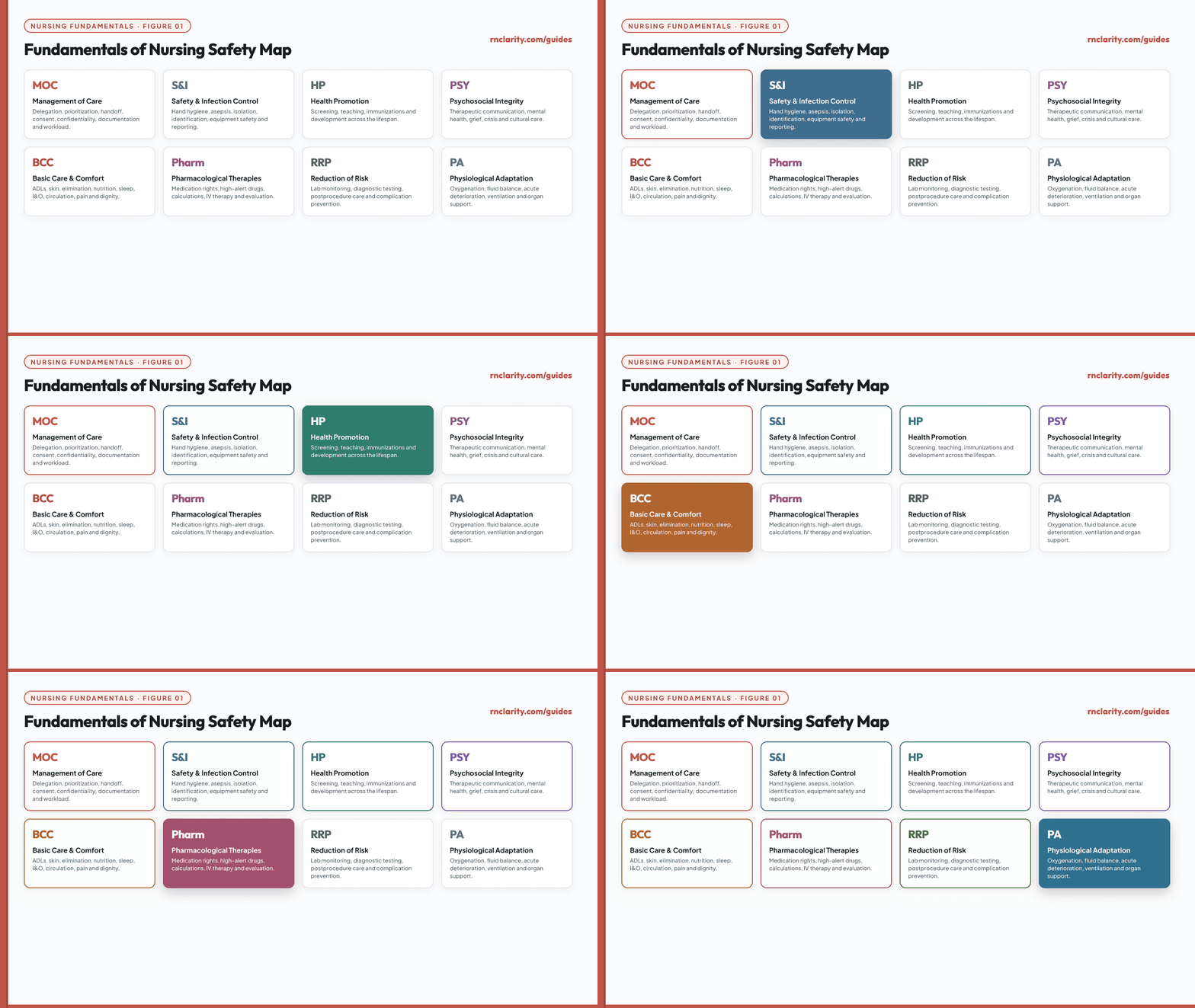
The 2026 NCLEX-RN® Test Plan is effective April 2026. It organizes scored content into eight Client Needs areas: Management of Care; Safety and Infection Prevention and Control; Health Promotion and Maintenance; Psychosocial Integrity; Basic Care and Comfort; Pharmacological and Parenteral Therapies; Reduction of Risk Potential; and Physiological Adaptation. Individual examinations can vary within the official percentage ranges because the examination is adaptive. [1]
Fundamentals appear throughout the blueprint. Management of Care includes handoff, delegation, prioritization, consent, confidentiality, documentation and workload organization. Safety and Infection Prevention and Control includes hand hygiene, asepsis, isolation, injury prevention, client identification, equipment safety, allergies and reporting unsafe practice. Basic Care and Comfort includes activities of daily living, skin, elimination, nutrition, sleep, intake/output, circulation, pain and dignity. Medication, diagnostic, procedural and acute-care foundations appear in the remaining physiological categories. [1]
The plan also identifies six integrated processes: caring; clinical judgment; communication and documentation; culture and spirituality; nursing process; and teaching/learning. These are woven into every section of this guide. The goal is not to memorize a separate rule for every diagnosis. It is to use a consistent safe-care method in changing situations.
Go deeper: For a complete breakdown of the four Client Needs categories and eight content areas with official percentage ranges, the NGN item formats and the adaptive algorithm, see the 2026 NCLEX-RN® Test Plan explained.
3. Person-Centred Professional Nursing
Person-centred nursing starts with recognition that the client is a person with values, preferences, strengths, relationships and the right to participate in care. The nurse explains, asks permission when appropriate, protects privacy, uses the client's preferred name and communication method, and avoids speaking about the client as though the client is absent. Dignity applies during bathing, toileting, confusion, behavioural distress, disability and end-of-life care.
Professional practice also requires boundaries. The nurse is compassionate without using the relationship to meet the nurse's emotional, social or financial needs. Social media does not remove confidentiality duties. Photographs, stories and seemingly anonymous details can identify a client. Information is shared only for legitimate care and legal purposes through authorized channels.
Scope is determined by law, regulation, education, authorization, competence, employer policy and the circumstances. A nurse should not perform an activity merely because another person says, "We always do it." When uncertain, pause, identify the activity, review the applicable rules and policy, assess personal competence, obtain appropriate support and choose the option that protects the client. NCSBN® provides a scope-of-practice decision framework, but jurisdiction-specific rules remain controlling. [14]
4. The Nursing Process
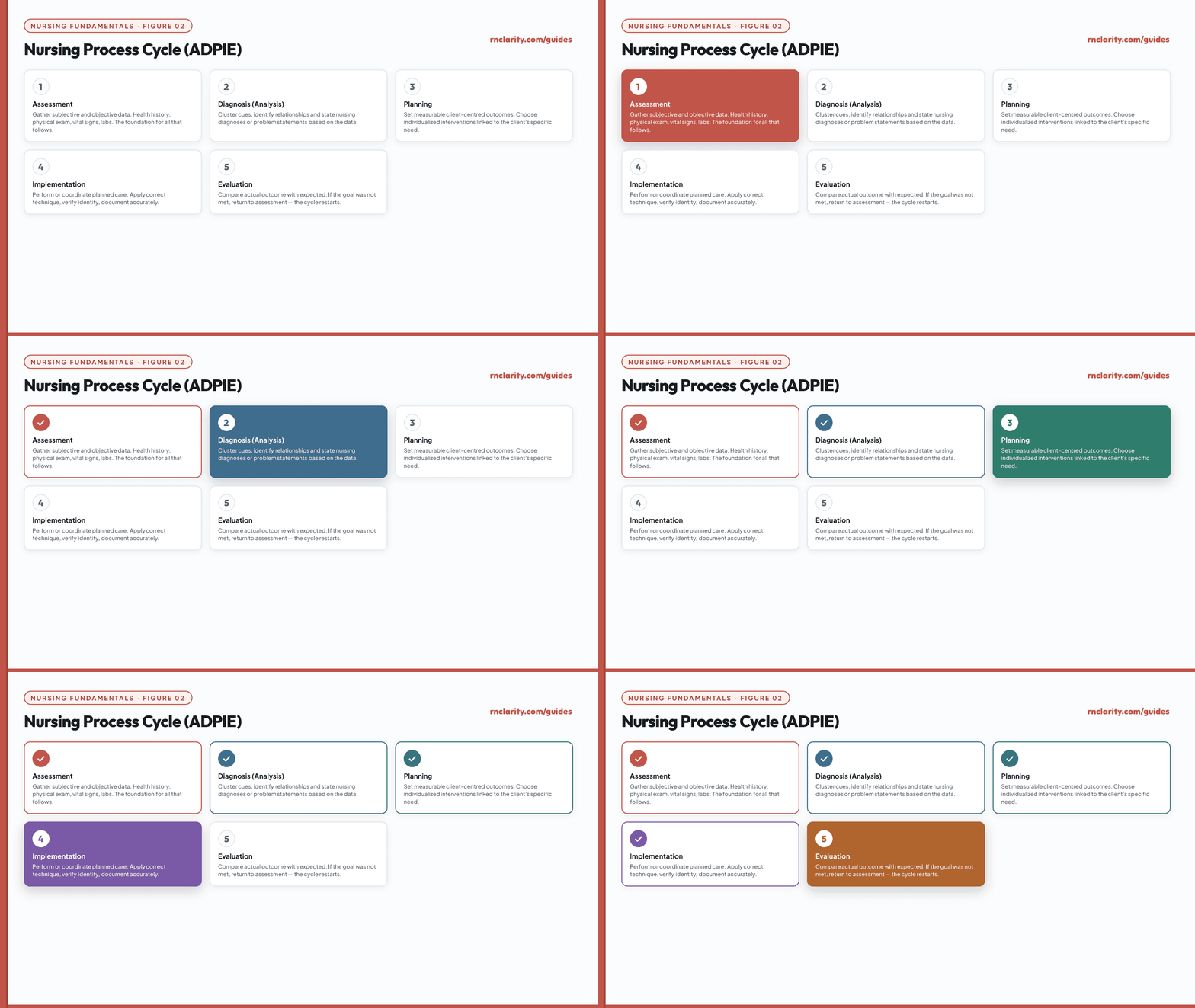
The 2026 test plan describes the nursing process as assessment, analysis, planning, implementation and evaluation. Assessment gathers subjective and objective data. Analysis organizes and interprets that data. Planning identifies priorities, measurable outcomes and appropriate interventions. Implementation performs or coordinates the planned care. Evaluation compares the observed response with the expected outcome. [1]
The process is circular. Evaluation may reveal that the assessment was incomplete, the priority changed or the intervention did not work. For example, a nurse repositions a client to improve oxygenation. Evaluation shows increasing work of breathing despite the position change. The nurse returns to assessment, recognizes deterioration and escalates care rather than repeating the same intervention without thought.
Good plans are individualized. "Encourage fluids" is incomplete when a client has a fluid restriction, dysphagia or heart failure. "Ambulate three times" is incomplete when the client is dizzy and has not been assessed for safe mobility. Every intervention should connect to a client need, be appropriate to the situation and have a method for evaluation.
Go deeper: For how the nursing process maps to all six CJMM clinical judgment steps with worked clinical examples, see the clinical judgment guide.
5. Clinical Judgment in Everyday Care
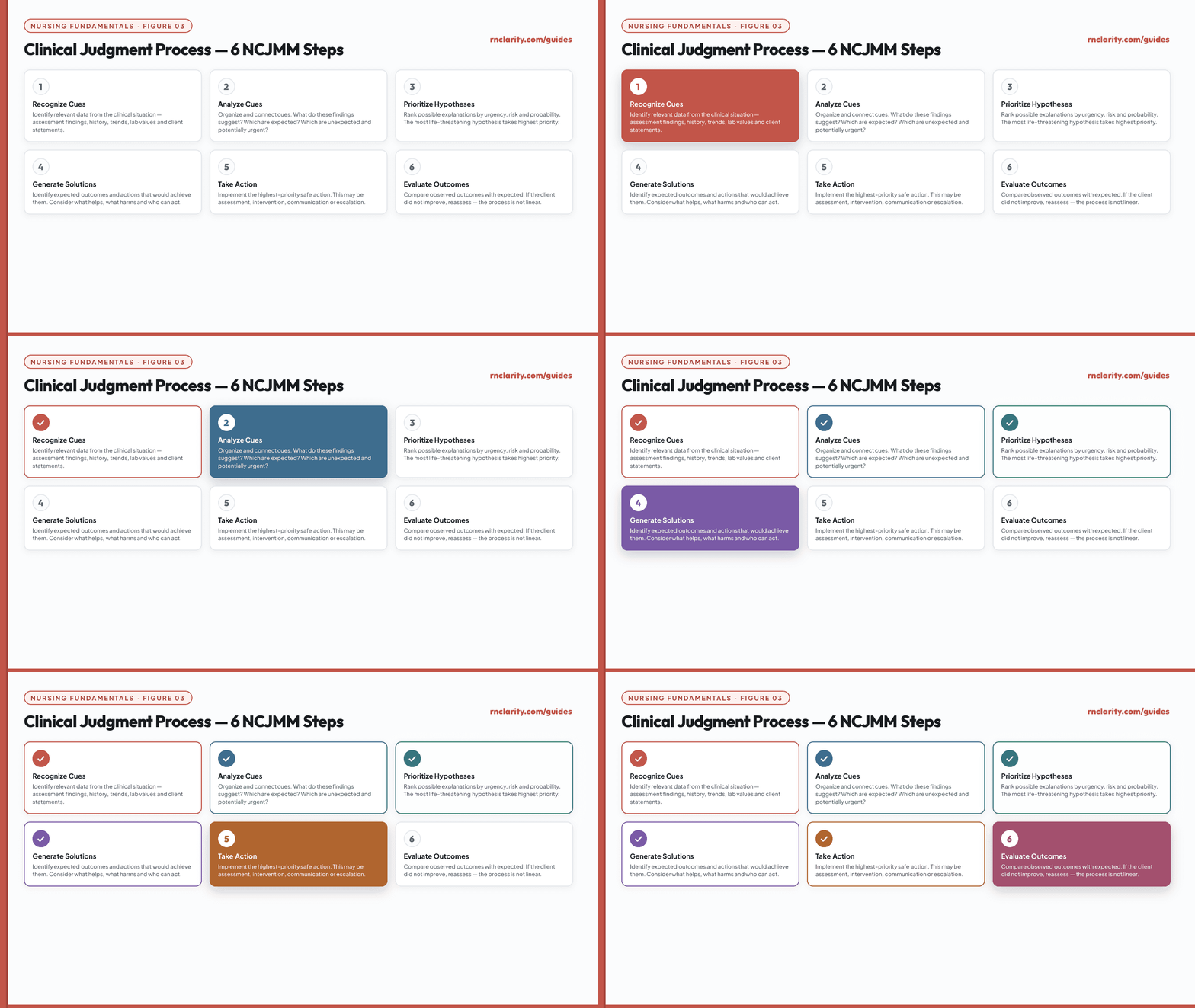
Clinical judgment is the observable result of critical thinking and decision-making. The six measured steps are recognize cues, analyze cues, prioritize hypotheses, generate solutions, take action and evaluate outcomes. [1] These steps appear in emergencies, but they also appear during ordinary care.
Consider a client who becomes unusually sleepy during morning hygiene. Recognizing cues includes the new drowsiness, respiratory rate, oxygen saturation, medication history and blood glucose risk. Analyzing cues means connecting the pattern. Prioritizing hypotheses means comparing possibilities such as medication effect, hypoglycemia, hypoxemia or neurological change. The nurse then selects actions that are safe and within role, acts promptly and evaluates the response.
A common student error is to collect many facts without identifying what they mean. Another is to choose an action because it is generally helpful, even though it does not address the priority concern. Strong judgment uses relevance, trend, urgency, risk and expected benefit. It also knows when the information is insufficient and a focused assessment is needed before intervention.
6. Communication and the Therapeutic Relationship
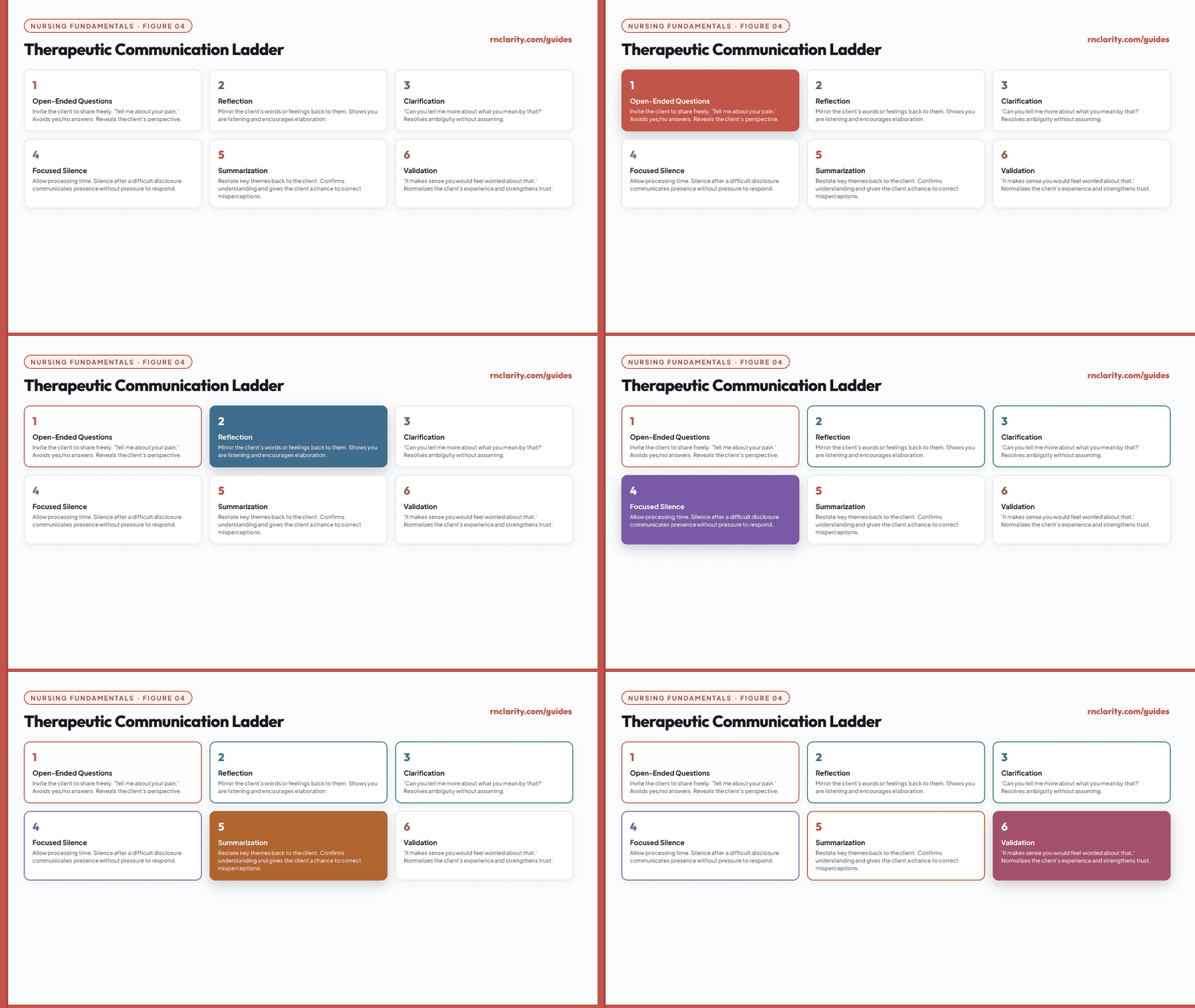
Therapeutic communication is purposeful communication that supports assessment, safety, coping, understanding and shared decisions. Helpful techniques include open-ended questions, reflection, clarification, focused silence, summarizing and direct safety assessment. The nurse avoids false reassurance, premature advice, judgmental language, arguing with a fixed false belief and changing the subject when the client expresses fear or grief.
Communication must fit the client. Use a qualified interpreter according to policy when language creates a barrier. Face the client when hearing is impaired, reduce background noise and confirm understanding. Offer accessible formats for visual, cognitive or literacy needs. Do not assume that a family member should interpret sensitive or complex clinical information.
For team communication, use a structured method. AHRQ describes SBAR as Situation, Background, Assessment and Recommendation or Request. A check-back verifies that information was received correctly. A handoff transfers information along with responsibility and authority during a transition. [10–12] Urgent communication should state the concern clearly, include relevant evidence and request a specific response. If the response is unsafe or delayed while risk is increasing, use the organization's escalation pathway.
7. Documentation and Informatics
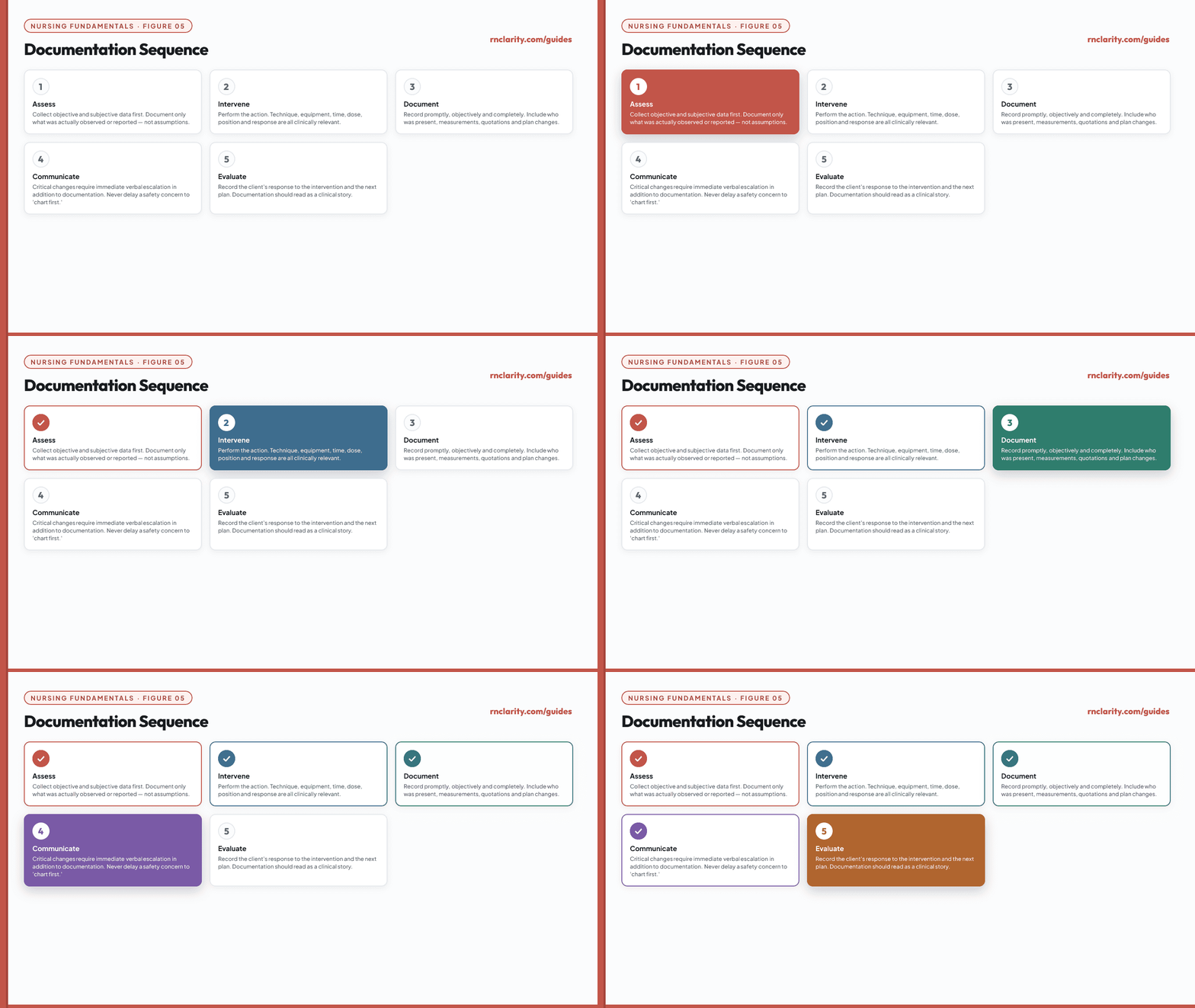
Documentation is a clinical and legal record of care. It should be timely, accurate, objective, relevant and consistent with what occurred. Record assessment findings, interventions, medications, teaching, communication, client response and the next plan. Use approved terminology and follow the electronic record's correction process. Never alter a record to hide an error.
Objective wording describes what was observed. "Client walked 10 metres with a walker and one-person assistance; stopped twice because of dizziness" is more useful than "client ambulated poorly." When client words are clinically important, use a brief direct quotation. Avoid labels such as difficult, noncompliant or attention-seeking. Describe the behaviour, barriers, choices and safety consequences instead.
Electronic records can create new risks. Copy-forward content may preserve an outdated assessment. Templates may encourage documenting care that was not performed. Alerts may become background noise. Protect login credentials, confirm the correct chart, review imported data and close the record when finished. Documentation does not replace urgent verbal communication; a critical change should be escalated promptly and then documented.
8. Safety Culture, Identification and Error Prevention
A safety culture encourages staff to identify hazards, speak up, report errors and near misses, and improve systems. Reporting is not the same as blaming. A near miss can reveal confusing labels, interruptions, poor handoff or equipment design before a client is harmed. The nurse first protects and assesses the client, then follows notification, documentation and reporting procedures.
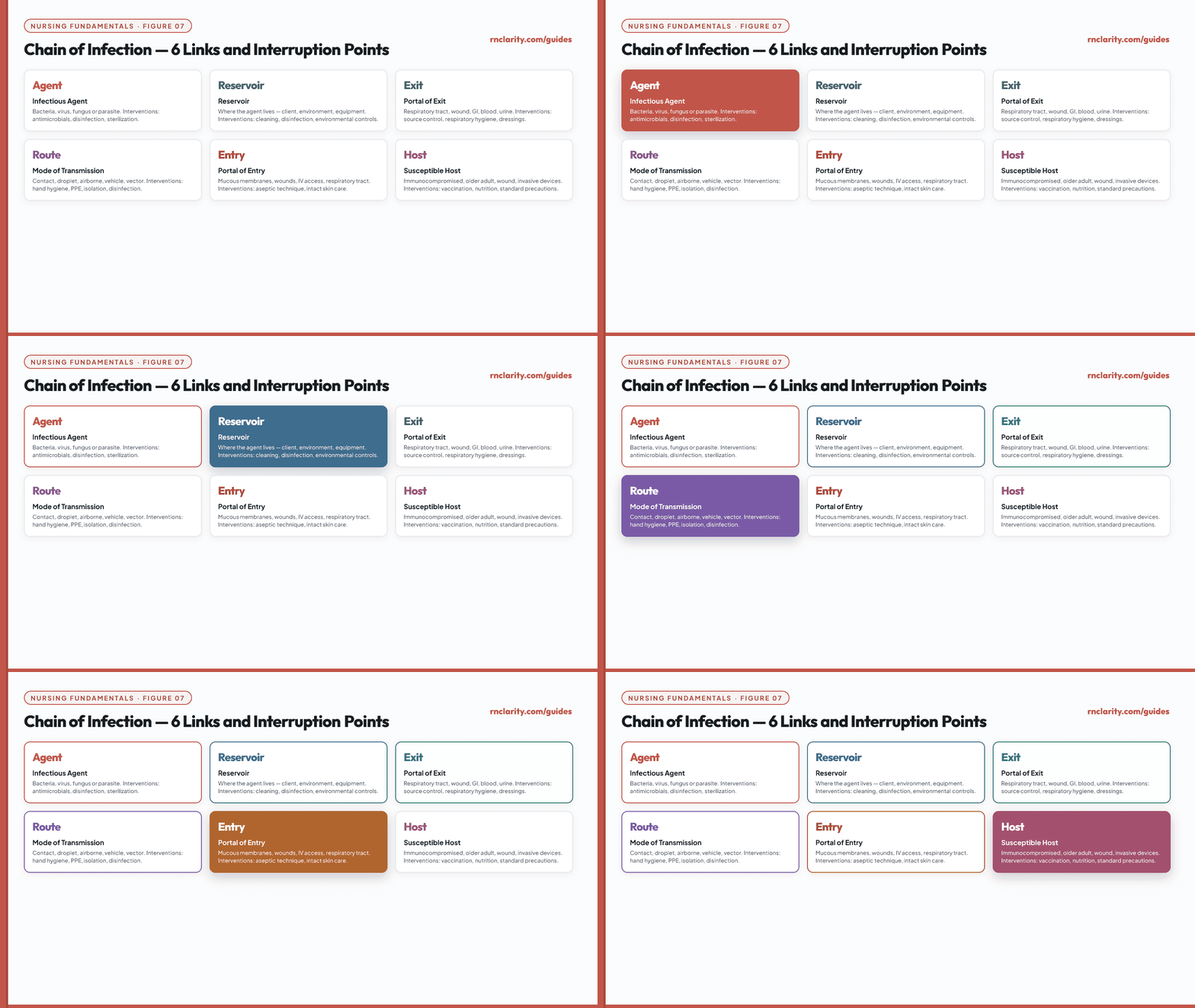
Correct client identification must occur before medications, blood products, specimens, procedures and other actions that could reach the wrong person. Use the identifiers approved by the organization and compare them with the source information. Room number alone is not an identifier. When the client cannot respond, use the approved alternate process rather than guessing.
Falls prevention should be individualized. AHRQ's Fall TIPS approach links a formal risk assessment with a tailored prevention plan. [8] Consider mobility, cognition, toileting, medications, blood pressure changes, vision, footwear, environment and the client's usual function. Keep essential items and the call method accessible. Reassess after a change in condition, medication, procedure or fall. Restraints are not routine fall prevention and must follow law, orders and policy, using the least restrictive safe approach.
9. Infection Prevention and the Chain of Infection
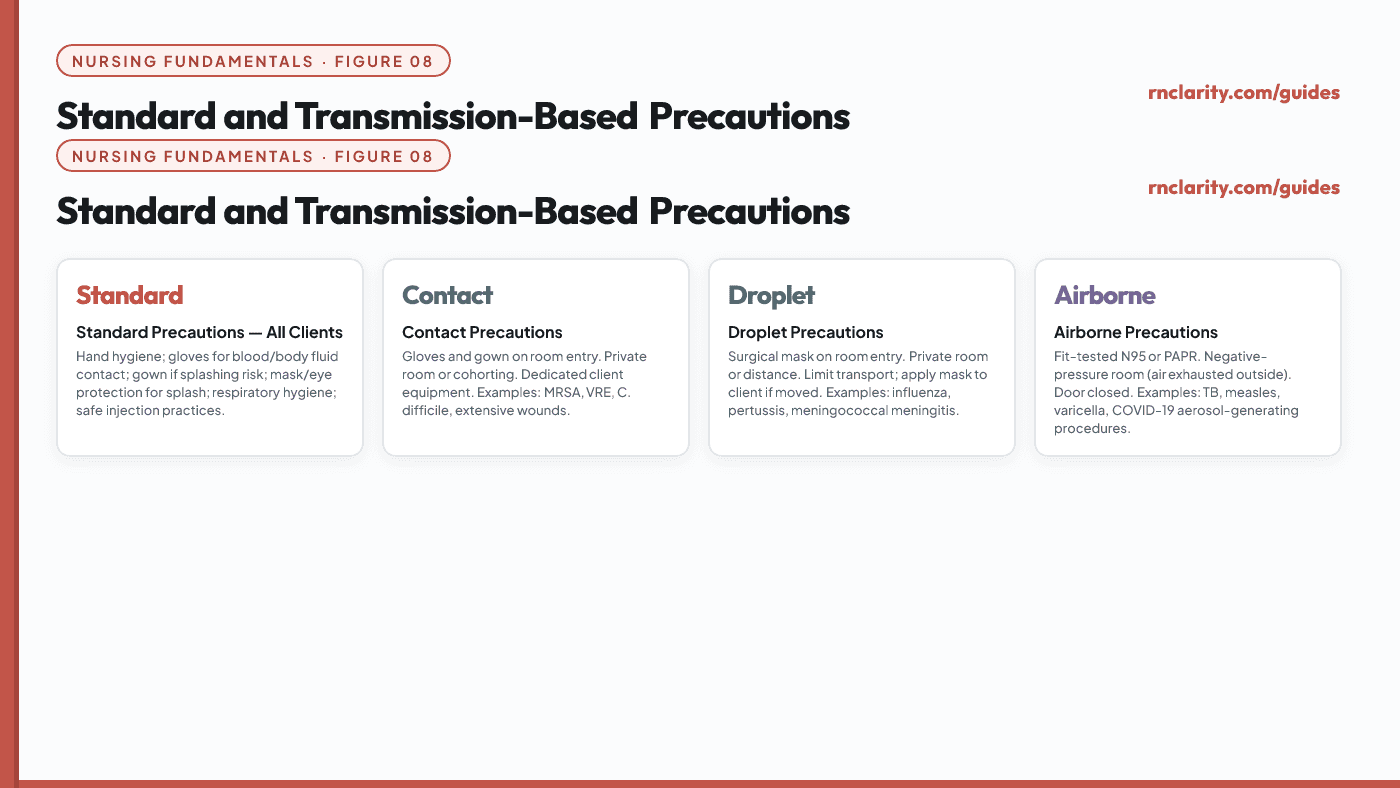
CDC describes Standard Precautions as the minimum infection-prevention practices used for all client care, regardless of suspected infection status. They include hand hygiene; use of gloves, gowns, masks and eye protection according to anticipated exposure; respiratory hygiene; safe injection practices; and safe handling of equipment and the environment. [2–3]
Hand hygiene is required at clinically important moments, including before clean or aseptic tasks, after contact with blood or body fluids, after touching the client or immediate environment, and immediately after glove removal. Gloves do not replace hand hygiene. Soap and water are used when hands are visibly soiled and in other situations specified by current guidance and local policy, including care during outbreaks involving organisms such as C. difficile or norovirus. [5]
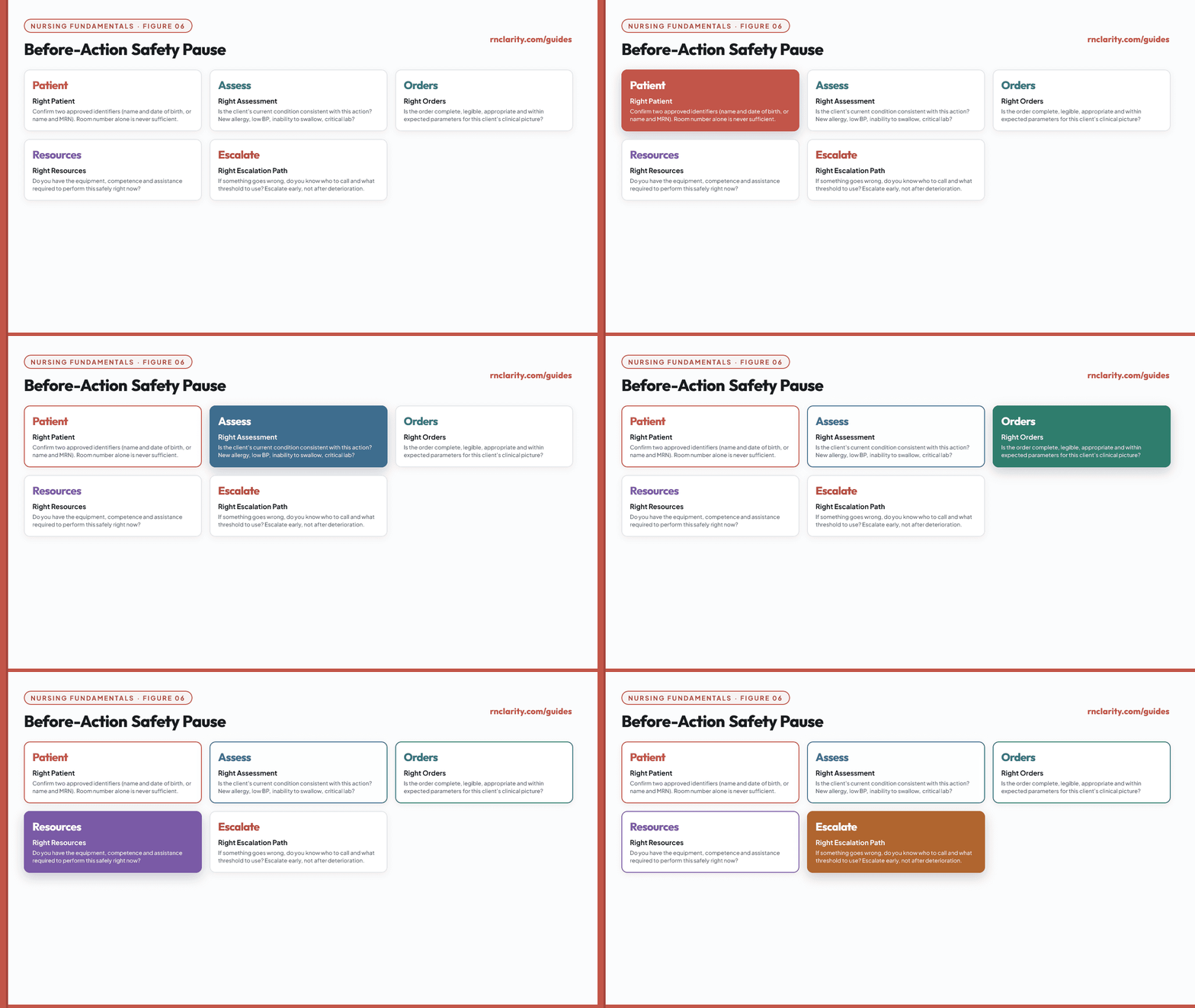
The chain of infection includes an agent, reservoir, portal of exit, route of transmission, portal of entry and susceptible host. Nursing actions break the chain at different links: cleaning and disinfection reduce environmental reservoirs; respiratory hygiene controls exit; hand hygiene interrupts transmission; asepsis protects portals of entry; vaccination and nutrition can reduce host susceptibility. Thinking in links helps when a disease name is unfamiliar.
10. Asepsis, PPE and Transmission-Based Precautions
Medical asepsis reduces the number and spread of microorganisms. Surgical asepsis aims to maintain a sterile field for specified procedures. A sterile field must be prepared and monitored according to institutional policy and product instructions. If sterility is uncertain, treat the item or field as contaminated and correct the problem rather than rationalizing it.
PPE selection is based on anticipated exposure and the transmission route, not personal preference. Put on and remove PPE in a way that limits contamination, and perform hand hygiene at required points. Because the exact sequence can depend on the equipment, setting and isolation protocol, use current institutional instructions and competency validation.
Transmission-Based Precautions are added to Standard Precautions for clients with known or suspected infections requiring contact, droplet or airborne controls. [4] Client placement, transport, source control, room airflow, respiratory protection and environmental measures depend on the route and setting. Avoid memorizing only disease lists. Understand how the organism travels and which action interrupts that route.
Go deeper: For how safety and infection-control content appears in NCLEX-RN® questions and what percentage of the exam it represents, see the NCLEX-RN® test plan guide.
11. Admission, Transfer and Discharge
Admission establishes a safe baseline. Confirm identity, allergies, medications, reason for care, immediate risks, vital signs, pain, mobility, skin, cognition, communication needs, belongings and advance-care information according to setting. Orient the client to the environment, call system, toileting plan and safety expectations.
Transfer requires both client preparation and a reliable handoff. Confirm the destination, transport requirements, oxygen or monitoring needs, lines and drains, medication timing, pending results, recent changes and contingency plans. A handoff should include the degree of uncertainty, not just a list of facts. The receiving team should have an opportunity to ask questions.
Discharge planning begins early. Determine what the client and caregiver need to know and do, whether medications and equipment are available, how follow-up will occur, and which warning signs require urgent help. Use teach-back. Provide written information in an accessible format. A discharge is not safe merely because the instructions were printed.
12. Systematic Nursing Assessment
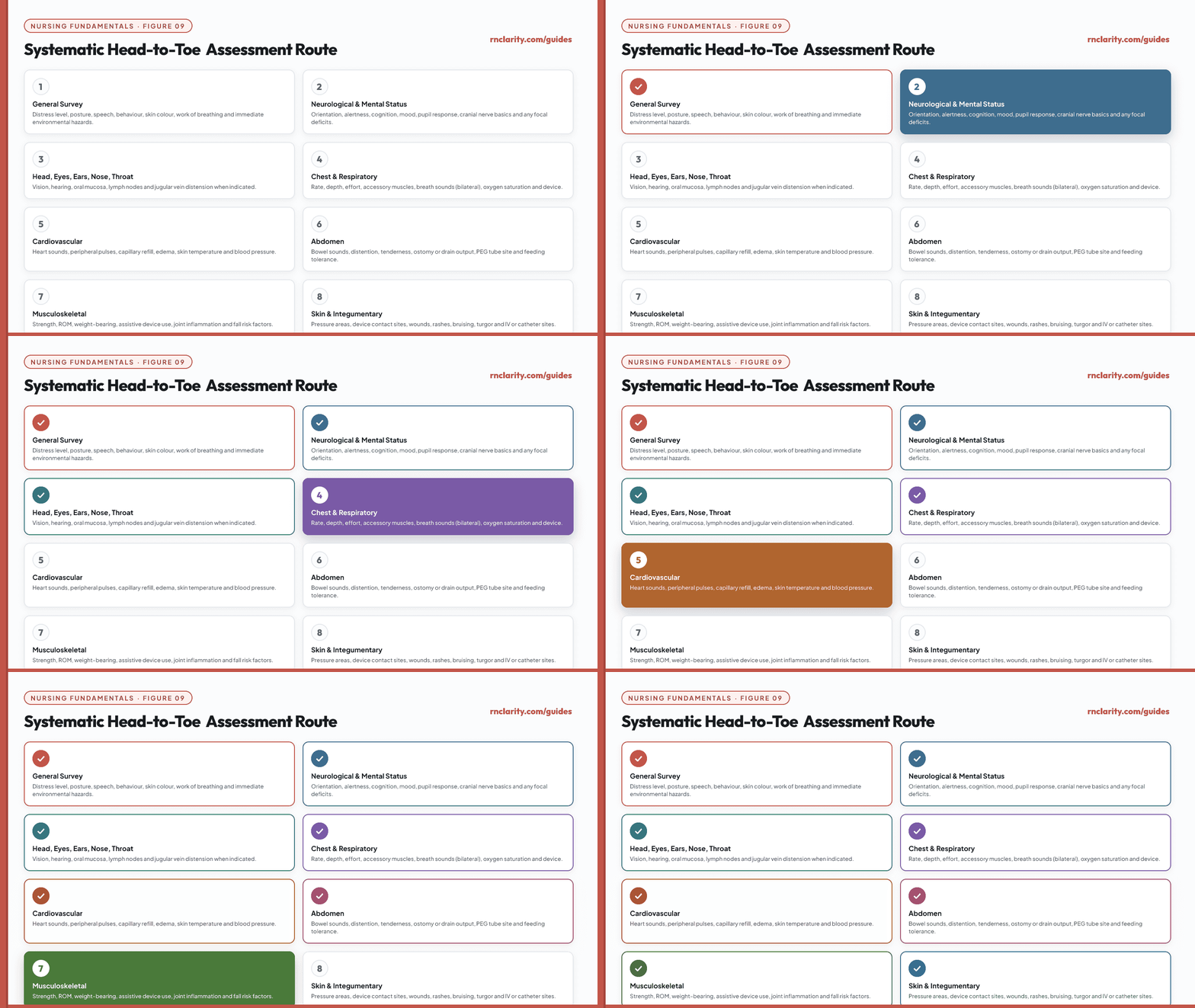
A systematic assessment reduces omissions. Begin with the environment and general survey: distress, posture, skin colour, work of breathing, speech, behaviour and immediate hazards. Then move through a consistent route while adapting to the client's condition. A focused assessment is appropriate when the problem is known or urgent, but it should not ignore related systems.
Subjective data are reported by the client or another source. Objective data are observed, measured or verified. Validate unexpected findings. A low oxygen saturation may reflect poor perfusion, movement or sensor placement; it may also reflect true hypoxemia. Recheck the equipment and the client without dismissing the result. Compare with baseline and symptoms.
Assessment is more than data collection. Cluster cues and identify relationships. New confusion with fever and hypotension has a different meaning than stable long-term cognitive impairment. Swelling with pain around an IV site has a different meaning than dependent edema. Document relevant negatives when they affect clinical reasoning, such as "denies chest pain" during assessment of dyspnea.
13. Vital Signs and Early Deterioration
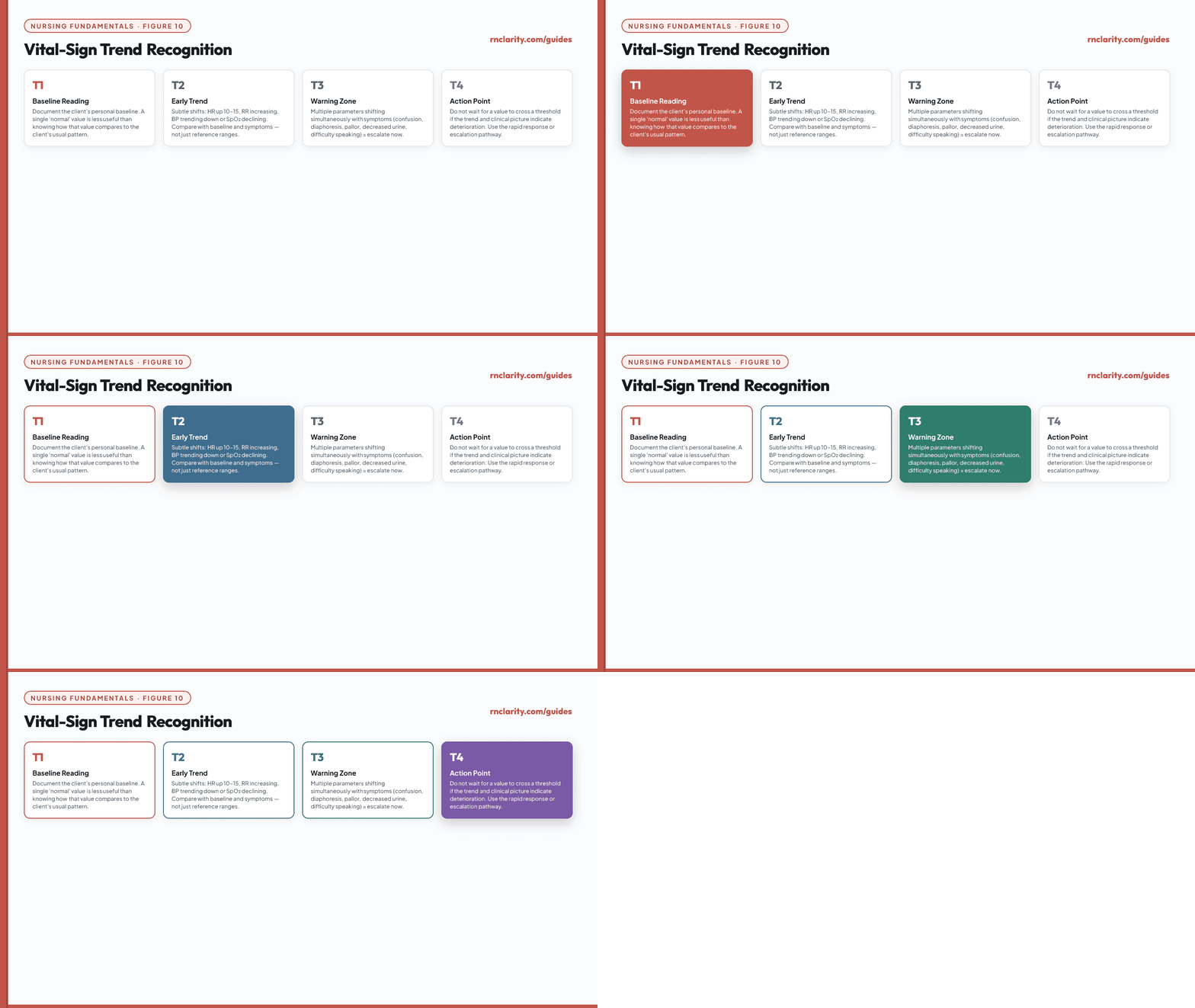
Vital signs are measurements plus context. Technique matters: cuff size, client position, rest period, route, oxygen delivery, pain, activity and recent medication can change results. Interpret the trend, not only whether a value falls inside a reference interval. A blood pressure that appears acceptable can be concerning when it is much lower than the client's baseline and accompanied by confusion or reduced urine output.
Respiratory rate is often underestimated because it is counted quickly or copied forward. Observe rate, depth, pattern, effort, speech, position, breath sounds and oxygenation. A normal oxygen saturation does not exclude serious ventilatory failure, especially when supplemental oxygen is present. Acute mental-status change can be an early sign of hypoxia, hypercapnia, poor perfusion, infection, medication effect or metabolic disturbance.
When a value is unexpected, assess the client first, confirm measurement quality and determine urgency. Immediate threats require action and escalation; a stable unexpected value may require repeat measurement and focused assessment. Follow early-warning and rapid-response criteria used by the organization. Never delay escalation while trying repeatedly to obtain a "better" number from a deteriorating client.
Common Adult Vital Sign Reference Ranges
| Vital sign | Common teaching range | Concerning pattern |
|---|---|---|
| Blood pressure | 90–120 / 60–80 mmHg | Trend down from baseline, especially with symptoms |
| Heart rate | 60–100 beats/min | New tachycardia, bradycardia or irregular rhythm |
| Respiratory rate | 12–20 breaths/min | > 20–22 or < 10; depth or effort change |
| Temperature | 36.1–37.2 °C (97–99 °F) | Fever or hypothermia with hemodynamic change |
| Oxygen saturation | ≥ 95% on room air | Falling trend; normal SpO₂ does not exclude poor ventilation |
14. Pain and Comfort Assessment
Pain is whatever the client reports, but safe nursing care also assesses location, quality, intensity, onset, pattern, aggravating and relieving factors, functional effect and associated symptoms. Use a developmentally and cognitively appropriate tool. Behavioural indicators are important when self-report is not possible, but they should not be used to invalidate a capable client's report.
Pain may signal a time-sensitive problem. Sudden severe chest, abdominal, head or limb pain; pain with neurological change; pain after a procedure with hypotension; or pain out of proportion to the examination requires prompt evaluation. Do not treat the number while ignoring the cause.
Combine prescribed pharmacological care with appropriate nonpharmacological measures such as positioning, heat or cold when indicated, relaxation, splinting, reduced stimulation or supportive presence. Reassess at a time appropriate to the route and intervention. Evaluate function, sedation, breathing and adverse effects as well as pain intensity. The goal is safe improvement, not necessarily a score of zero.
15. Hygiene and Personal Care
Hygiene supports comfort, infection prevention, skin assessment, dignity and independence. Before beginning, determine the client's preferences, usual routine, mobility, fatigue, pain, cognitive status, lines and devices. Encourage the client to perform the parts that can be done safely. Protect privacy and avoid exposing more of the body than necessary.
Bathing is also assessment. Observe skin colour, temperature, moisture, pressure areas, wounds, rashes, bruising, device pressure and tolerance of activity. Oral care is important for comfort, nutrition and infection prevention, especially when the client is dependent, receiving oxygen, unable to eat orally or at aspiration risk. Position and suction readiness may be necessary for clients with impaired swallowing or consciousness.
Perineal care should proceed from cleaner to more contaminated areas and use separate clean surfaces according to policy. Maintain tubes and drainage systems without tension. Replace linens safely, avoid placing supplies on the floor and perform hand hygiene. Stop when the client becomes unstable, dizzy, breathless or unable to tolerate the activity.
16. Mobility, Positioning and Body Mechanics
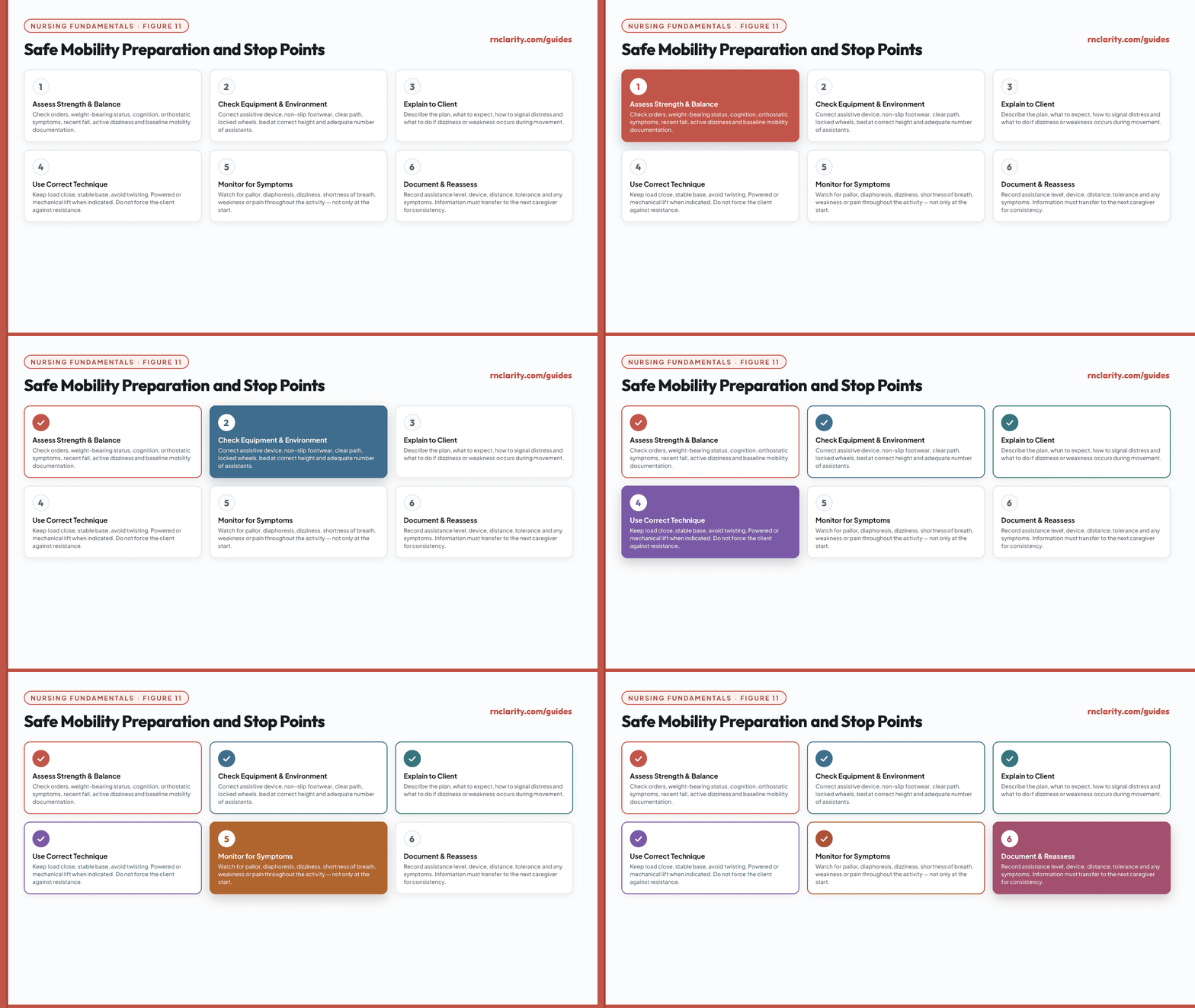
Mobility preserves circulation, ventilation, strength, bowel function, skin integrity and independence. Immobility increases risk for pressure injury, venous thromboembolism, atelectasis, constipation, deconditioning and delirium. Assess baseline mobility, weight-bearing status, cognition, strength, balance, pain, orthostatic symptoms and lines before moving the client.
Prepare the environment. Lock equipment as required, adjust height, clear the route, apply appropriate footwear and obtain the prescribed device and number of assistants. Use powered or mechanical aids when indicated. Keep the load close, use a stable base and avoid twisting. If the client begins to fall, follow trained fall-response technique rather than attempting an unsafe lift.
Positioning should support alignment, breathing, circulation, skin protection and the clinical goal. Repositioning frequency is individualized; a fixed schedule does not replace skin assessment and tolerance. After movement, reassess symptoms, device position, skin, oxygen, pain and call access. Document the assistance and device required so the next caregiver can reproduce safe care.
17. Skin and Tissue Integrity
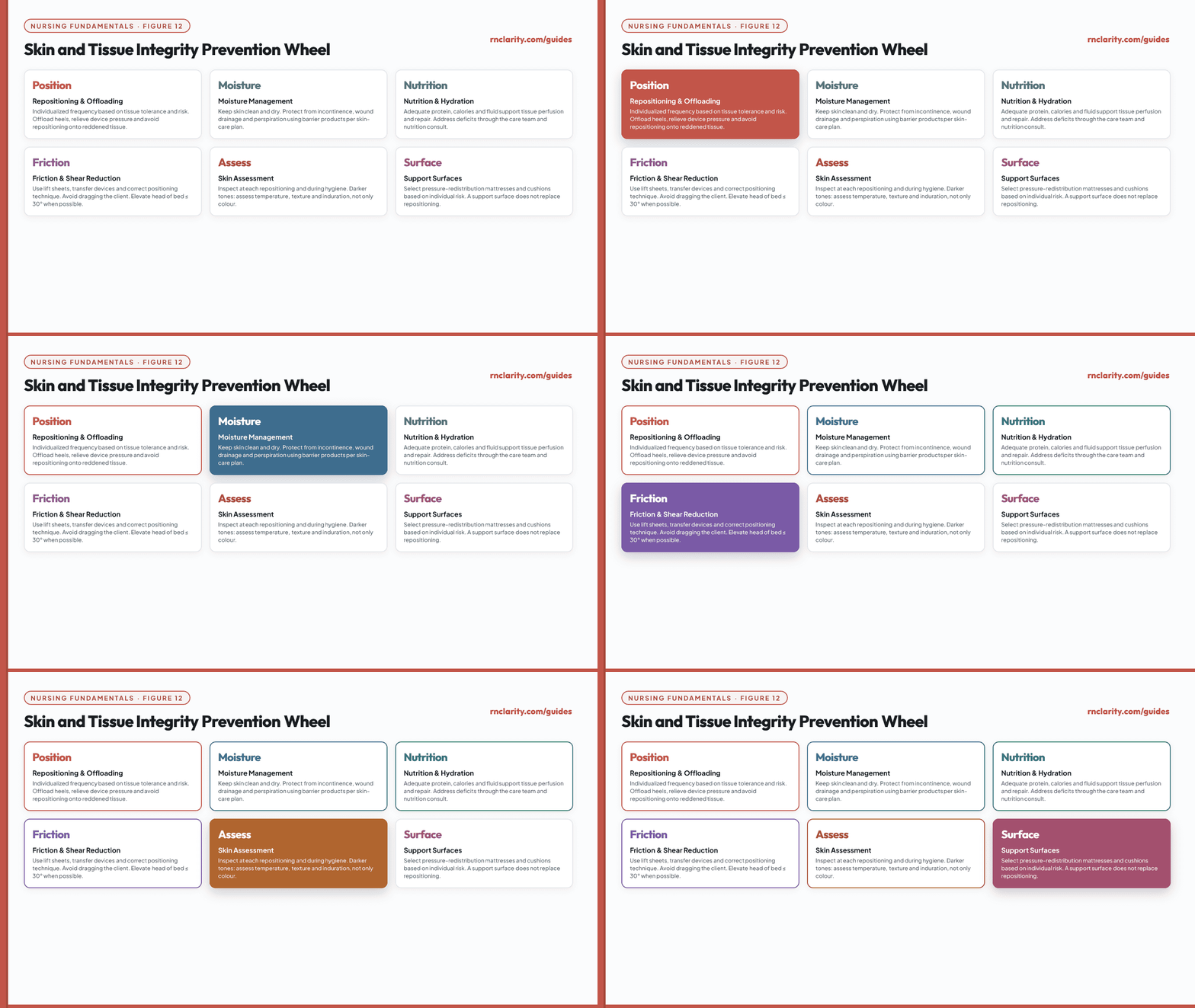
Skin assessment includes colour, temperature, moisture, texture, turgor, edema, sensation, integrity, wounds and pressure from devices. Inspect high-risk areas and beneath removable devices as appropriate. Darker skin tones may show temperature, texture, induration or colour change differently; compare with surrounding tissue and the client's baseline.
Pressure-injury prevention is a bundle. Assess risk, inspect skin, manage moisture, reposition and mobilize, offload heels and device pressure, use appropriate support surfaces, and address nutrition and hydration. AHRQ provides implementation resources for hospital pressure-injury prevention programs. [9] The nurse should not massage reddened tissue over a pressure area or use a device without understanding its intended use.
Document location, size, appearance, drainage, surrounding skin, pain and intervention according to policy. Wound staging and treatment require competency and institutional standards. Report rapid change, necrosis, spreading redness, systemic symptoms, severe pain, crepitus or impaired perfusion. Prevention and early recognition are fundamental even when a specialist manages the wound plan.
18. Nutrition, Hydration and Swallowing
Nutrition assessment considers weight trend, intake, appetite, swallowing, dentition, culture, access to food, gastrointestinal symptoms, laboratory context, wounds and disease-related needs. A single meal percentage is not the whole picture. Track patterns and compare with goals and restrictions.
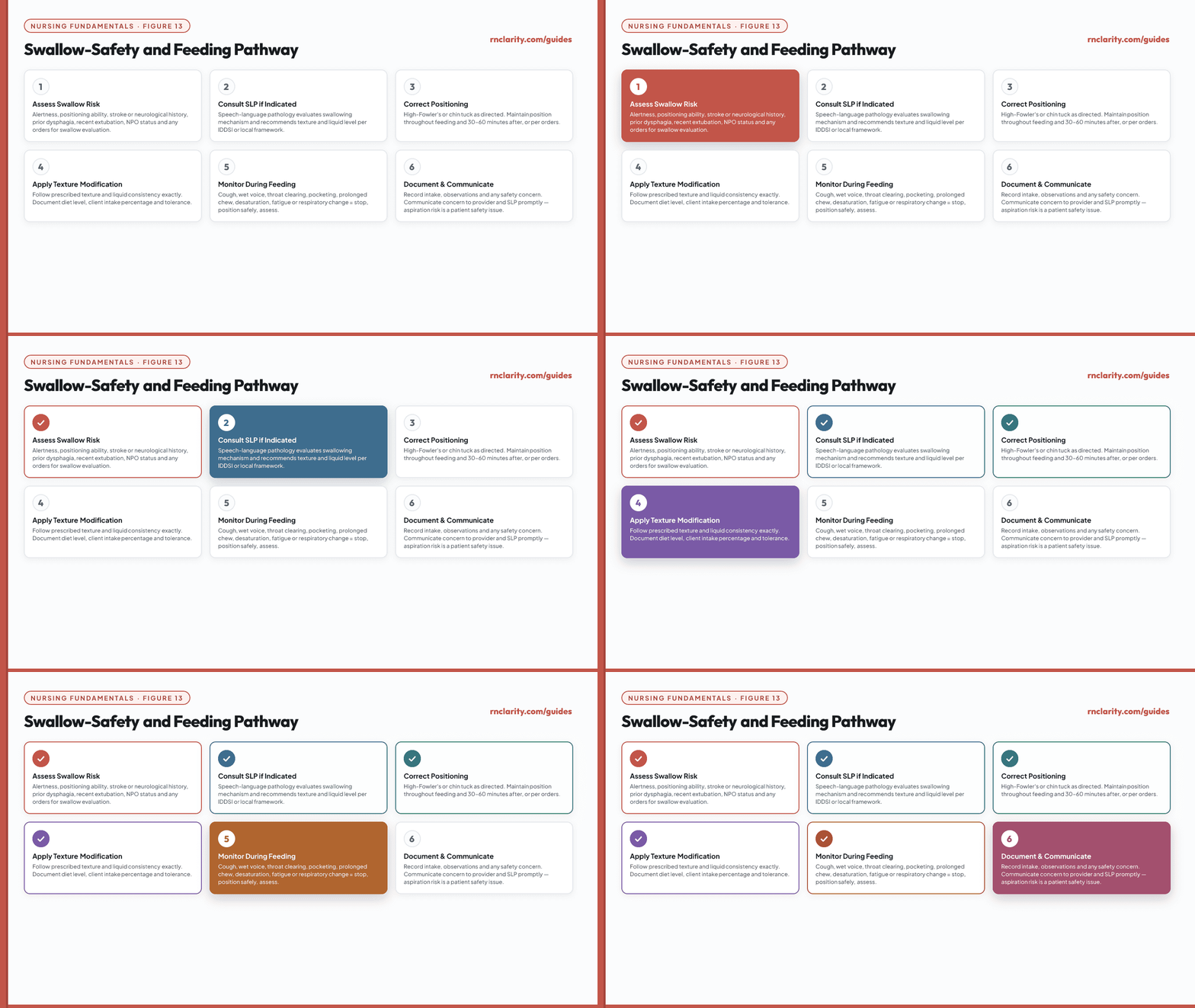
Before oral feeding, determine whether the client can remain alert, sit appropriately and swallow safely. Follow the prescribed texture and liquid consistency. Observe for cough, throat clearing, wet voice, pocketing, prolonged chewing, fatigue, breathing change or reduced oxygenation. If swallowing appears unsafe, stop oral intake, protect the client and follow the local assessment and escalation pathway.
Accurate intake includes oral fluids, enteral feeds, IV fluids and other sources according to policy. Hydration needs are individualized. Encouraging unlimited fluids may be unsafe for a client with a restriction, renal failure or heart failure. Enteral feeding requires verification and tube-management procedures established by the institution; never improvise placement confirmation.
19. Bowel and Bladder Elimination
Assess the client's usual pattern, recent change, intake, mobility, medications, surgery, pain, stool or urine characteristics and symptoms. Promote privacy, adequate time, safe positioning, mobility and hydration when appropriate. Avoid assuming that an older adult's incontinence, constipation or confusion is inevitable.
Constipation can be related to immobility, low intake, opioids, iron, neurological disease or obstruction. Diarrhea can cause dehydration, electrolyte loss and skin injury and may signal infection or medication effect. Report severe abdominal pain, distention, vomiting, absent output with symptoms, blood, black stool, sudden incontinence with neurological change or signs of dehydration.
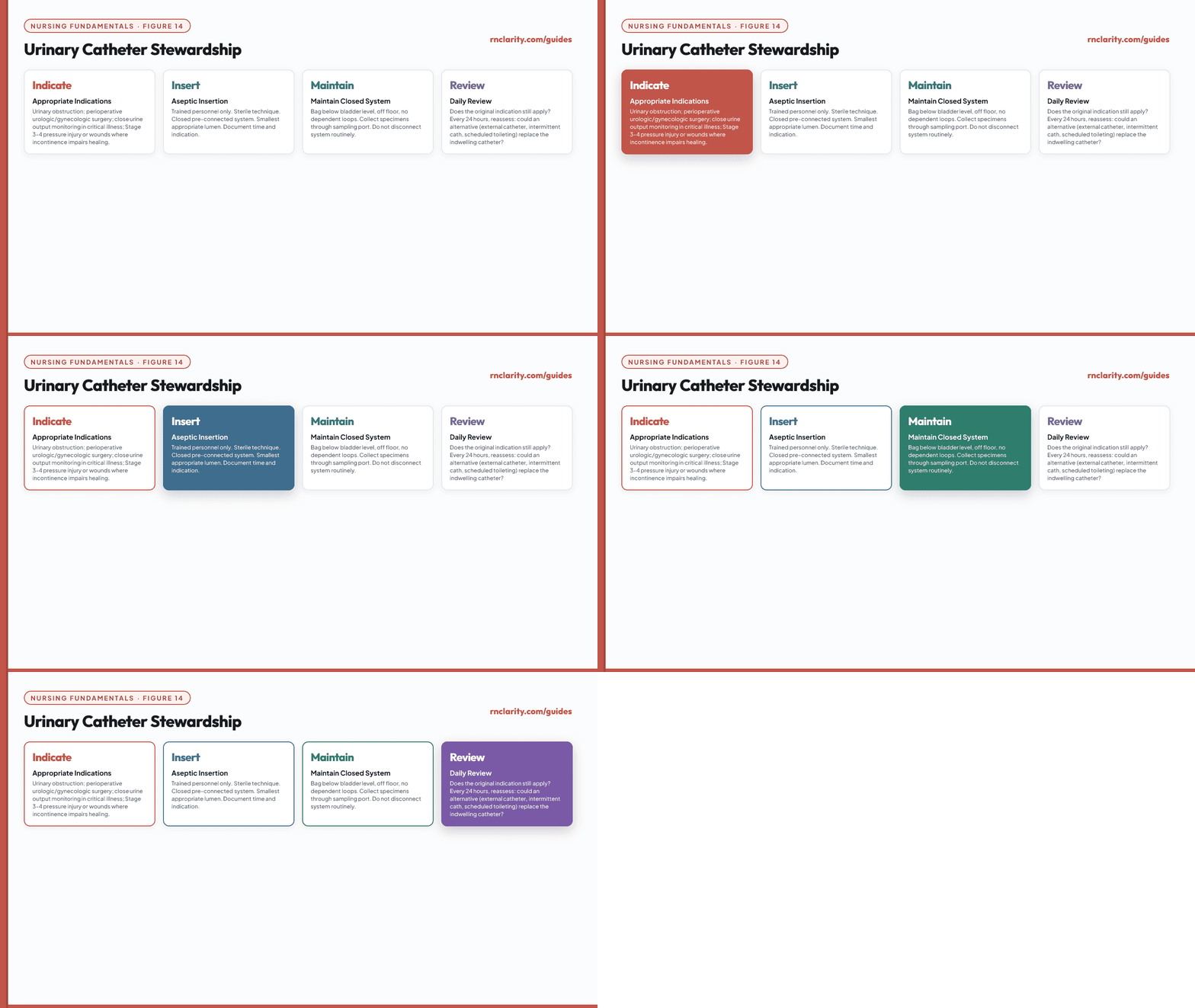
Urinary catheters increase infection risk. CDC guidance emphasizes appropriate indications, aseptic insertion by trained personnel, a closed unobstructed system and prompt removal when no longer needed. [7] Keep the collection bag below the bladder and off the floor, avoid dependent loops and collect specimens through the approved sampling port. Do not disconnect the system routinely.
20. Oxygenation and Respiratory Fundamentals
Begin with airway, breathing pattern and work of breathing. Observe position, rate, depth, accessory-muscle use, ability to speak, mental status, skin colour and symmetry. Auscultate as trained and compare sides. A quiet client is not always improving; decreasing effort with increasing drowsiness can indicate fatigue and impending respiratory failure.
Oxygen is a medication in many settings. Use the prescribed device and flow or concentration, ensure correct setup and monitor the response. Consider fire safety and skin pressure. Escalate new stridor, severe work of breathing, cyanosis, altered mental status, rapidly increasing oxygen need or inability to protect the airway.
Coughing, deep breathing, repositioning, mobilization and incentive spirometry may support ventilation when clinically indicated and taught correctly. Suctioning requires assessment, equipment, competence and monitoring. Do not perform a procedure simply because secretions are present; identify whether the client can clear them and whether the intervention is likely to help.
Go deeper: For detailed ABG interpretation and ventilatory assessment in the context of the NCLEX-RN® Test Plan, see the ABG interpretation guide.
21. Sleep, Rest and Nonpharmacological Comfort
Sleep supports healing, cognition and coping. Assess the usual pattern, environmental disruption, pain, breathing, medications, anxiety, nocturia and daytime activity. Cluster care when safe, reduce unnecessary noise and light, support normal day-night cues and address symptoms that interrupt sleep.
Nonpharmacological comfort may include repositioning, hygiene, oral care, temperature adjustment, relaxation, guided breathing, music, quiet presence, splinting or prescribed heat and cold. Check contraindications, skin sensation and exposure time for thermal interventions. Complementary approaches should not delay evaluation of a serious symptom.
Comfort care is active nursing care. It includes symptom assessment, mouth and skin care, positioning, family support, clear communication and evaluation. The client's goals guide the plan. A person receiving palliative care may still require treatment of reversible distress when consistent with those goals.
22. Medication Administration Safety
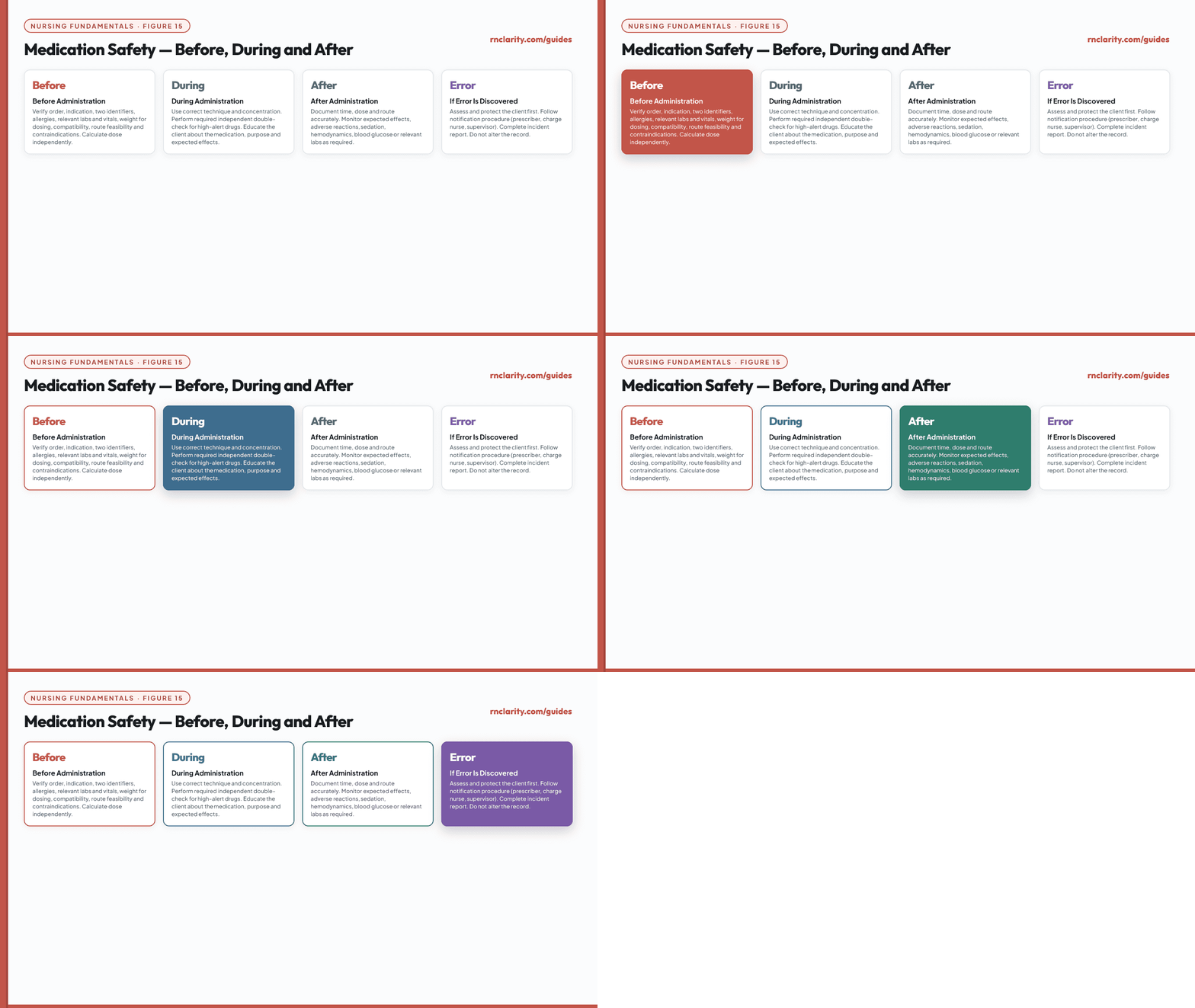
Medication safety begins before preparation. Verify the order, indication, client identity, allergies, current condition, relevant laboratory values, vital signs, interactions, contraindications and ability to receive the route. The 2026 test plan specifically includes evaluating order accuracy, calculating doses, reviewing pertinent data, administering high-risk medications, educating the client and evaluating response. [1]
The familiar medication "rights" are checking tools, not a guarantee. A correct drug and dose can still be unsafe when the client is hypotensive, has a new allergy, cannot swallow or has a critical laboratory result. Pause and clarify orders that are incomplete, ambiguous, outside expected parameters or inconsistent with the client's condition.
Prepare medications in a controlled environment, calculate independently and use required independent checks for high-alert processes. Never reuse needles or syringes; CDC safe-injection practices are part of Standard Precautions. [6] After administration, document and monitor expected effects, adverse effects, sedation, breathing, blood pressure, glucose or laboratory values as appropriate. FDA monitors medication errors arising from prescribing, labeling, packaging, dispensing, administration and system design. [13]
Go deeper: For drug-class frameworks, suffix maps, high-alert medications, dosage calculations and IV therapy on the NCLEX-RN®, see the pharmacology guide.
23. IV Therapy, Fluids and Intake/Output
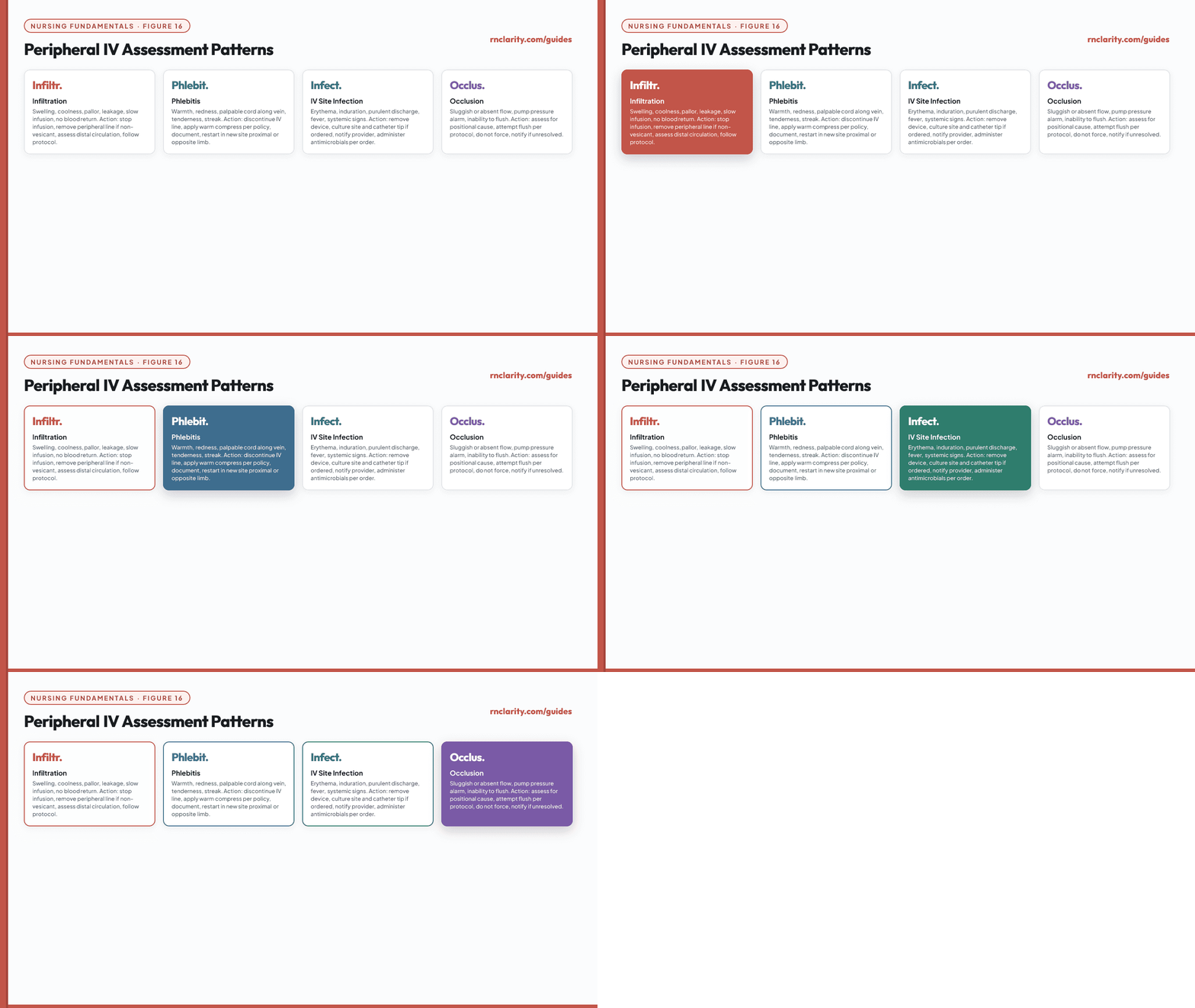
IV therapy requires verification of the solution, medication, rate, compatibility, access device and client-specific risk. Assess the site and the client, not only the pump. Pain, swelling, coolness, leakage, warmth, redness, tenderness, slowed infusion or a palpable cord can indicate a local complication. Stop or respond according to the solution, medication and institutional protocol.
Fluid balance is evaluated through intake, output, weight trend, vital signs, edema, mucous membranes, lung findings, urine characteristics, laboratory data and clinical condition. Intake and output totals are estimates unless carefully measured. Report unexpected low urine output, rapidly increasing weight, dyspnea, crackles, hypotension or neurological change.
Blood products, central lines, parenteral nutrition and titrated infusions require specific competency and policy. Do not generalize a peripheral-IV routine to these therapies. Know what baseline is required, what signs indicate a reaction and what immediate action the protocol requires.
24. Specimens and Diagnostic Testing
A specimen is useful only when it comes from the correct client, correct source and correct time and is collected, labeled, stored and transported correctly. Confirm orders and identity, explain the procedure, use appropriate precautions and label at the bedside or collection point according to policy. Never prelabel containers for convenience.
Before a diagnostic test, assess preparation requirements such as fasting, allergies, medications, renal function, pregnancy possibility, consent, access and baseline findings. Afterward, monitor for expected recovery and complications. The 2026 plan includes obtaining specimens, performing point-of-care testing within scope, comparing findings, and providing pre- and postprocedure care. [1]
When a result is unexpected, verify the client, specimen and context while assessing urgency. A critical result with a deteriorating client requires prompt action and notification; it should not be delayed while debating whether the laboratory might be wrong. Document who was notified, the information communicated, orders received and client response.
25. Perioperative Fundamentals
Preoperative care confirms identity, procedure, site process, consent status, allergies, medication instructions, fasting status, laboratory and diagnostic readiness, baseline assessment and teaching. The provider performing the procedure is responsible for the substantive informed-consent discussion; the nurse follows jurisdiction and policy regarding witnessing and verification.
Postoperative priorities include airway, breathing, circulation, neurological status, pain, nausea, wound and drainage, urine output, temperature, mobility and prevention of complications. Expected findings depend on the procedure and phase of recovery. New hypotension, tachycardia, increasing pain, excessive drainage, respiratory depression, chest pain or acute neurological change requires prompt assessment and escalation.
Pulmonary hygiene, mobility, venous-return measures and nutrition are implemented according to the client's risk and orders. Do not perform a routine intervention when contraindicated. Evaluate effectiveness rather than documenting only completion.
26. Teaching, Learning and Health Literacy
Teaching starts with assessment. Determine what the client already knows, readiness, goals, language, literacy, cognition, sensory needs, pain, fatigue, culture, support and resources. Education during severe pain or immediately after sedation may need to be brief and repeated later.
Use plain language, short sections, demonstration and relevant written or visual materials. Avoid replacing an explanation with a handout. Teach what the client needs to do, why it matters, warning signs, when and how to obtain help, and how to use medications or equipment safely.
Teach-back asks the client to explain or demonstrate the plan in their own words. It tests the clarity of the explanation, not the intelligence of the client. If understanding is incomplete, reteach differently and confirm again. Document the topic, method, participation, demonstrated understanding, remaining barrier and follow-up plan.
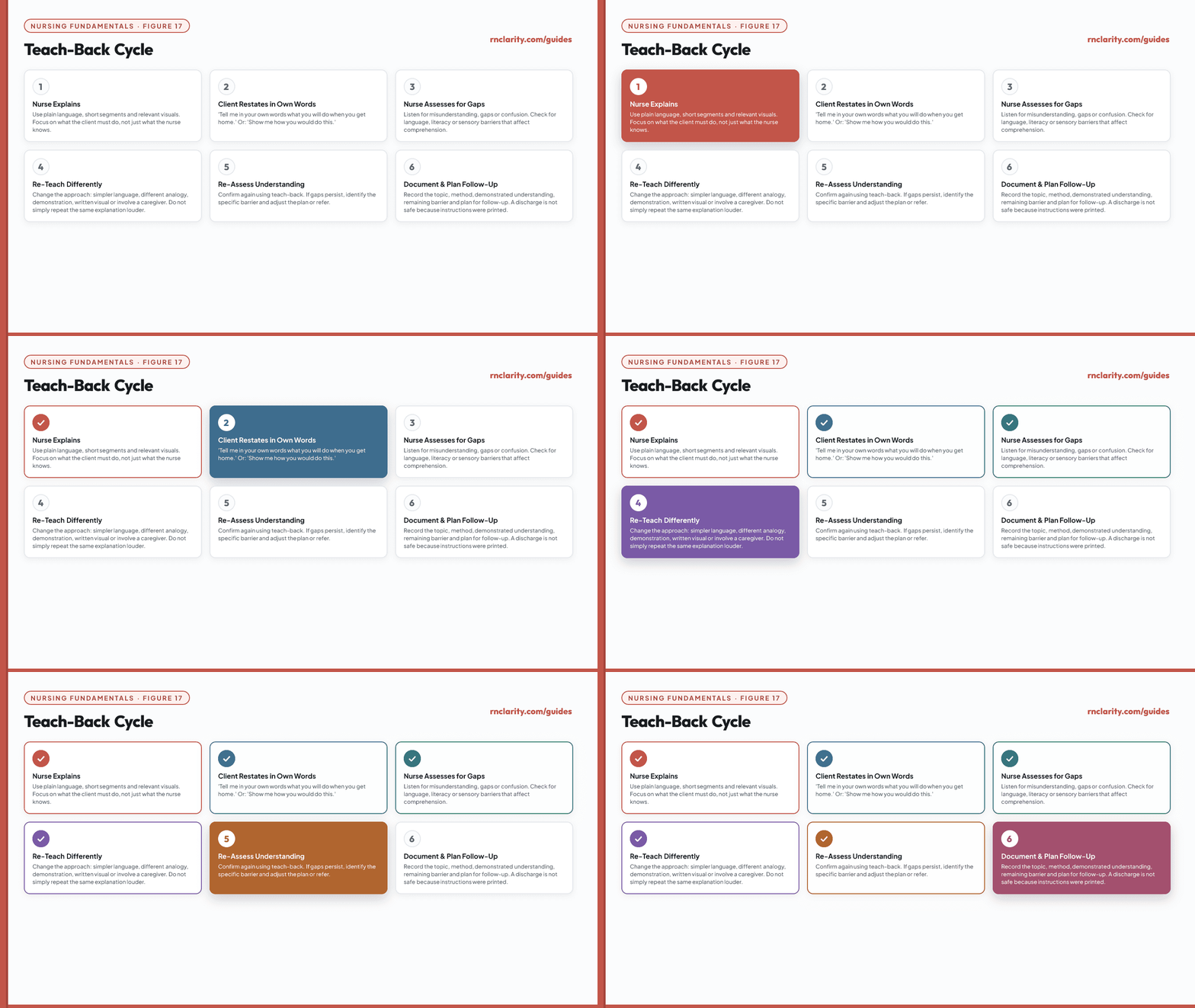
Go deeper: For active learning strategies including teach-back, retrieval practice, spaced repetition and the error log, see the active learning guide.
27. Culture, Spirituality and Equitable Care
Culture and spirituality are self-identified. Ask what matters rather than predicting preferences from appearance, name, language or group membership. Relevant questions may address decision-making, diet, modesty, prayer, family participation, traditional practices and concerns about treatment.
Respect does not mean providing unsafe or unlawful care. Explain the clinical concern, explore alternatives and involve appropriate resources such as interpreters, spiritual care, ethics, pharmacy or the health care team. The standard of care applies to every client, while the plan should reflect individual preferences where possible.
Equitable care requires attention to barriers. Transportation, cost, disability access, language, housing, caregiving responsibilities and discrimination can affect whether a plan is realistic. Document the barrier and the action taken rather than labeling the client as unwilling. Advocacy may include referral, accessible communication and escalation of discriminatory or unsafe practice.
28. Psychosocial Support, Grief and End-of-Life Care
Psychosocial assessment includes coping, mood, anxiety, safety, substance use, support, loss, cognition and the meaning the client gives to illness. Therapeutic responses acknowledge emotion and invite the client to speak. "Tell me what worries you most right now" is often more useful than immediate reassurance.
Ask directly about suicide when risk is suspected. Immediate safety takes priority over routine conversation. Follow the organization's suicide, violence, abuse and safeguarding procedures. Do not promise secrecy when information must be shared to protect the client or others.
Grief varies. Avoid imposing stages or a timeline. End-of-life care focuses on the client's goals, symptom relief, dignity, family support and clear communication. Confirm advance-care information and authorized decision-makers according to law and policy. After death, provide respectful postmortem care, support belongings and cultural practices when possible, and complete required identification and documentation.
29. Prioritization, Delegation and Teamwork
Priority is based on immediate threat, instability, acute change, time sensitivity, risk of delay and the benefit of nursing action. ABCDE is a rapid safety structure, but no shortcut is absolute. Severe hypoglycemia, active suicide risk, uncontrolled bleeding and anaphylaxis may demand action before a complete routine assessment.
Delegation is client- and situation-specific. NCSBN® emphasizes that jurisdictional law and rules differ. The nurse considers the task, circumstances, delegatee, communication and supervision. Nursing judgment and critical decision-making cannot be delegated. [15] The RN remains accountable for the overall nursing decision and must evaluate the outcome.
Teamwork includes sharing workload, asking for help, huddling when the plan changes and using closed-loop communication. A nurse who accepts an unsafe assignment should promptly communicate the specific safety concern and use the applicable chain of command. Client care continues while the concern is addressed.
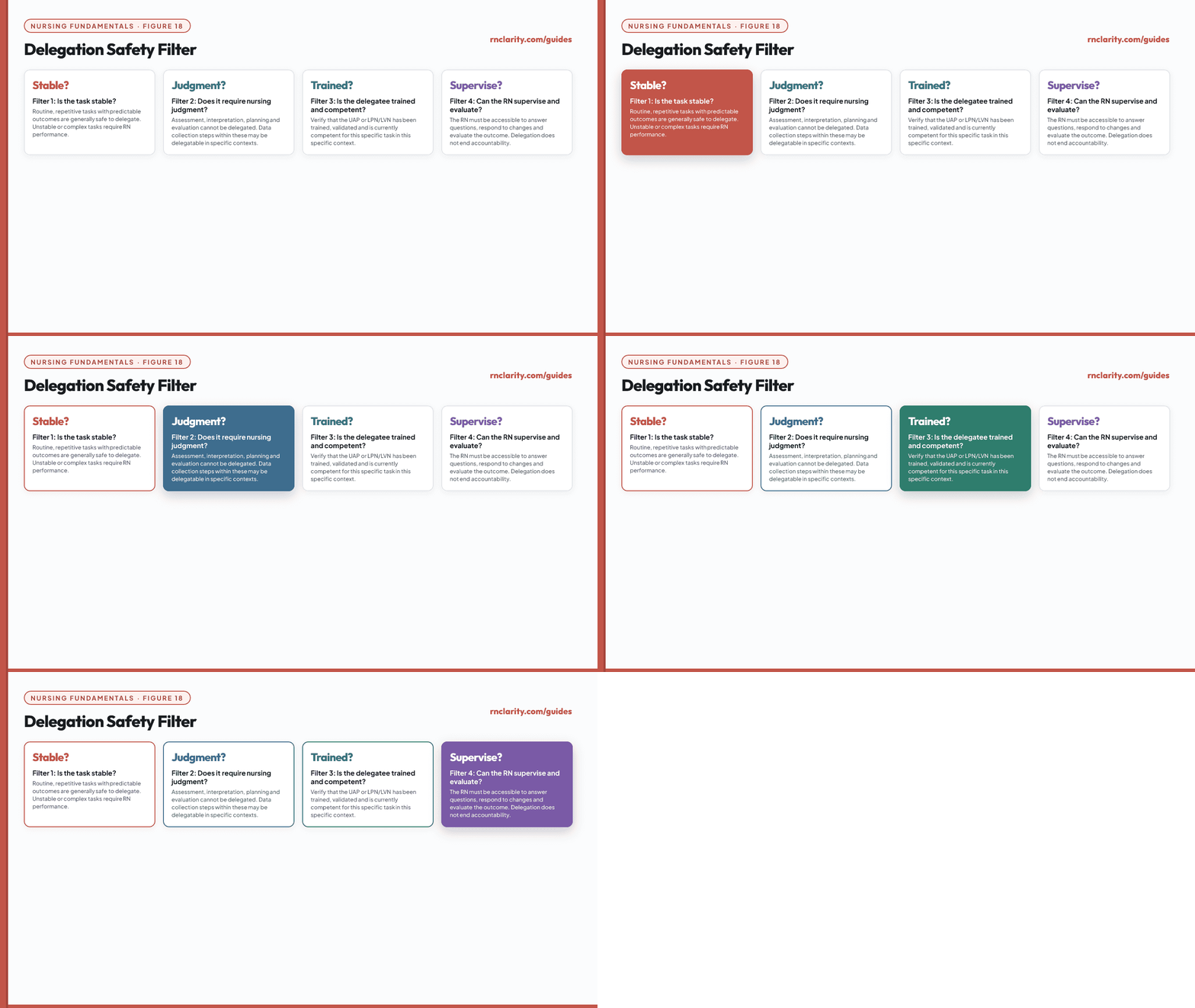
Go deeper: For the five rights of delegation, RN/LPN/UAP scope comparisons, assignment rules and 30 original practice questions, see the prioritization, delegation and assignment guide.
30. How to Answer Fundamentals Questions
First, identify the task in the question. Is it asking for the first action, best response, finding requiring follow-up, safe delegation, correct technique or evidence that teaching worked? A response can be true but fail to answer the exact task.
Second, identify the safety principle. Common principles include assess before routine intervention, act immediately for a clear threat, use the least restrictive safe option, maintain asepsis, verify identity, protect privacy, clarify unsafe orders and evaluate after action. Avoid adding facts that are not in the scenario.
Third, compare the options. Eliminate actions outside scope, actions that delay necessary care, vague documentation-only answers when the client needs intervention, and options that ignore client preferences or current condition. For select-all questions, judge each option independently. For clinical judgment cases, use the newest information and track the timeline.
Go deeper: For a six-step reading strategy, priority frameworks and worked practice questions, see the practice questions guide.
Core Assessment: Expected vs. Concerning Patterns
| Area | Common expected pattern | Concerning change requiring assessment or escalation |
|---|---|---|
| Mental status | Alert or at documented baseline | New confusion, difficult arousal, agitation, seizure or focal deficit |
| Breathing | Comfortable effort and stable baseline oxygen need | Stridor, severe effort, inability to speak, falling alertness or rapidly rising oxygen need |
| Circulation | Warm perfused skin and stable baseline vital signs | Hypotension with symptoms, chest pain, uncontrolled bleeding, cool mottled skin or reduced urine output |
| Mobility | Uses documented assistance and device safely | New weakness, dizziness, fall, inability to bear weight or new neurological symptom |
| Skin | Intact or documented wound baseline | New nonblanching change, device injury, spreading redness, necrosis or rapid deterioration |
| Elimination | Usual pattern or expected postoperative change | Anuria/marked oliguria, retention with pain, blood, black stool, severe diarrhea or obstruction signs |
Common Fundamentals Safety Anchors
| Situation | Safety anchor | Why it matters |
|---|---|---|
| Unexpected value | Assess the client and validate the measurement | Equipment and technique can be wrong, but deterioration must not be dismissed |
| Unclear order | Pause and clarify before implementation | A nurse is responsible for recognizing ambiguity or inconsistency |
| New procedure | Confirm scope, competence, policy and equipment | Familiarity is not the same as validated competence |
| Teaching | Use teach-back or return demonstration | Information delivery alone does not prove understanding |
| Delegation | Give limits, report parameters and follow-up | The RN must supervise and evaluate |
| Error or near miss | Protect client, assess, notify and report | Immediate care and system learning are both necessary |
31. Clinical Case Studies
Case 1: New Confusion During Morning Care
Scenario: An older adult admitted with pneumonia was conversational at 0700. During bathing at 0830, the client becomes drowsy and answers incorrectly. Respiratory rate is 28/min, oxygen saturation is lower than the overnight baseline, and the client received an opioid at 0730.
Reasoning and nursing response: Recognize the change from baseline, assess airway and breathing, verify oxygen delivery and measurement, review medication effect and glucose risk, obtain focused vital signs, call for assistance or escalate according to severity, and evaluate response. Do not finish the bath before addressing the change.
Case 2: Feeding and Aspiration Risk
Scenario: A client after stroke is awake but develops coughing and a wet voice after the first sip of water. The meal tray shows a regular diet, but the handoff mentions a swallowing assessment.
Reasoning and nursing response: Stop oral intake, position safely, assess breathing and oral residue, verify the current diet and swallowing plan, and follow the local pathway. Do not continue because the client says the cough is "nothing." The cue cluster suggests swallowing may be unsafe.
Case 3: Fall-Prevention Plan
Scenario: A client taking antihypertensive medication insists on walking alone to the bathroom. The client was independent at home but became dizzy when standing after a procedure.
Reasoning and nursing response: Respect the goal of independence while addressing the new risk. Explain the concern, assess orthostatic symptoms and mobility, provide the least restrictive assistance and device, tailor toileting access, and reassess. A bed alarm alone is not a complete individualized plan.
Case 4: Medication Order Does Not Fit
Scenario: A client's medication administration record lists an antihypertensive due now. The current blood pressure is markedly lower than baseline and the client reports dizziness. There are no hold parameters on the order.
Reasoning and nursing response: Do not administer automatically. Reassess the blood pressure and symptoms, review relevant medications and clinical context, protect the client from falling, and clarify the order using the appropriate prescriber or protocol. Document assessment, communication and outcome.
Case 5: IV Site Change
Scenario: A peripheral IV is infusing maintenance fluid. The client reports burning. The site is swollen and cool, and the pump has not alarmed.
Reasoning and nursing response: Recognize a possible infiltration, stop or manage the infusion according to solution and institutional protocol, assess the site and distal circulation, remove or preserve the device as required by the medication protocol, notify as needed, and document. The absence of a pump alarm does not make the site safe.
Case 6: Delegation and Change in Condition
Scenario: An assistive staff member was asked to obtain routine vital signs for a stable client. The staff member reports a new respiratory rate of 30/min and says the client "looks tired."
Reasoning and nursing response: The RN should promptly assess the client. Data collection was delegated, but interpretation and response to a change remain nursing responsibilities. The RN should thank the staff member for reporting, clarify future report parameters and escalate care based on the assessment.
Go deeper: For structured practice with six-item NGN case studies using all CJMM steps, see the NGN case studies guide.
32. Practice Questions and Rationales
Question 1 A nurse enters a room to give medication. Which action should occur first?
Answer: Use the organization's approved identifiers and compare them with the medication record.
Rationale: Identification must occur before the medication reaches the client. Room number or recognition alone is not sufficient.
Question 2 A client becomes short of breath during a bed bath. What is the priority action?
Answer: Stop the activity and assess airway, breathing, position and current oxygen delivery.
Rationale: A new breathing problem takes priority over completing hygiene.
Question 3 Which documentation is most objective?
Answer: "Client walked 10 metres with walker and one-person assistance; stopped because of dizziness."
Rationale: It records observable distance, equipment, assistance and symptom without a vague judgment.
Question 4 A sterile package is damp at one corner. What should the nurse do?
Answer: Treat the package as contaminated and obtain a new sterile item.
Rationale: Moisture can permit strike-through contamination; uncertainty about sterility should be corrected.
Question 5 After removing gloves used for perineal care, what should the nurse do?
Answer: Perform hand hygiene.
Rationale: Gloves do not replace hand hygiene, and contamination can occur during removal.
Question 6 A client with hearing impairment nods during teaching. What best evaluates understanding?
Answer: Ask the client to explain or demonstrate the plan in their own words.
Rationale: Agreement or nodding does not establish comprehension; teach-back does.
Question 7 Which finding most strongly suggests acute deterioration?
Answer: A client who was alert is now difficult to arouse and has a rising respiratory rate.
Rationale: Change from baseline plus respiratory and neurological cues indicates instability.
Question 8 Which task generally requires RN judgment?
Answer: Evaluating whether a newly implemented intervention improved the client's condition.
Rationale: Evaluation and interpretation are nursing-judgment functions and are not delegated as a routine task.
Question 9 A client refuses a bath. What is the best response?
Answer: Explore the reason, offer alternatives and respect the decision while addressing safety needs.
Rationale: Person-centred care does not force a nonurgent preference-based activity.
Question 10 A client's oxygen saturation is unexpectedly low, but the client is speaking comfortably. What should the nurse do?
Answer: Assess the client and verify sensor placement and signal quality promptly.
Rationale: The reading may be artifact or early change; neither should be assumed without assessment.
Question 11 Which action helps prevent catheter-associated urinary infection?
Answer: Remove the urinary catheter promptly when it is no longer indicated.
Rationale: Duration is a major modifiable risk; continued need should be reviewed.
Question 12 A client coughs and develops a wet voice while drinking. What should the nurse do first?
Answer: Stop oral intake and assess airway and swallowing safety.
Rationale: Continuing intake could worsen aspiration risk.
Question 13 Which client should be assessed first?
Answer: A postoperative client with new tachycardia, falling blood pressure and increasing abdominal pain.
Rationale: The cluster suggests bleeding and impaired perfusion.
Question 14 A medication order is difficult to read. What is the safest action?
Answer: Clarify the order through the approved process before administration.
Rationale: Guessing or asking another nurse to interpret an unclear order does not make it safe.
Question 15 Which action best supports pressure-injury prevention?
Answer: Use an individualized bundle that includes risk assessment, skin inspection, repositioning/offloading and moisture management.
Rationale: No single intervention prevents all pressure injuries.
Question 16 A client becomes dizzy when standing. What should the nurse do?
Answer: Support the client to a safe position and assess symptoms and vital signs.
Rationale: Preventing a fall and evaluating the acute change are priorities.
Question 17 Which statement by the nurse is therapeutic?
Answer: "Tell me what worries you most about going home."
Rationale: It is open, client-centred and invites assessment.
Question 18 Which statement is false reassurance?
Answer: "Everything will be fine."
Rationale: It promises an outcome the nurse cannot guarantee and may close communication.
Question 19 A near miss occurs with no client harm. Why should it be reported?
Answer: It can identify system hazards before a future event causes harm.
Rationale: Near misses provide patient-safety learning even without injury.
Question 20 When is soap and water especially important for hand hygiene?
Answer: When hands are visibly soiled and in other situations specified by current infection-control guidance.
Rationale: Alcohol-based hand rub is not the correct choice for visibly soiled hands.
Question 21 What is the purpose of a check-back?
Answer: To verify that spoken information was received and understood correctly.
Rationale: Closed-loop communication reduces misunderstanding.
Question 22 Which finding suggests possible IV infiltration?
Answer: Cool swelling and discomfort around the peripheral IV site.
Rationale: Infiltration commonly produces coolness, edema, leakage and slowed flow.
Question 23 A client rates pain 8/10 but is smiling. What should the nurse do?
Answer: Accept the report, complete a focused pain assessment and intervene appropriately.
Rationale: Appearance alone does not invalidate a capable client's self-report.
Question 24 Which item belongs in an effective handoff?
Answer: Recent change, current concern, response to treatment and contingency plan.
Rationale: A handoff should communicate the clinical story and what to watch for.
Question 25 A client has a new pressure area under an oxygen device. What should the nurse do?
Answer: Assess the skin and device fit, relieve pressure safely and follow the skin-care plan.
Rationale: Device-related pressure can cause injury and requires prompt correction.
Question 26 Which outcome best evaluates mobility teaching?
Answer: The client demonstrates safe use of the walker and states when to request assistance.
Rationale: Demonstration and safety decision-making show usable learning.
Question 27 A client's urine output drops unexpectedly. What is the best first approach?
Answer: Assess the client, verify the measurement and evaluate perfusion, hydration, obstruction and recent changes.
Rationale: A trend requires clinical assessment, not merely documentation.
Question 28 Which action is appropriate when a client expresses a cultural preference?
Answer: Ask the client to explain the preference and incorporate it when safe and possible.
Rationale: Individual inquiry avoids stereotyping and supports person-centred care.
Question 29 A nurse discovers that the wrong dose was administered. What is the first priority?
Answer: Assess and protect the client, then follow notification and reporting procedures.
Rationale: Client safety comes before completing incident paperwork.
Question 30 Which statement best describes fundamentals of nursing?
Answer: They are safety and reasoning principles that support care in every specialty.
Rationale: Fundamentals remain essential in advanced, community and specialty practice.
33. Frequently Asked Questions
What topics are included in fundamentals of nursing?
Assessment, nursing process, clinical judgment, communication, documentation, safety, infection prevention, hygiene, mobility, skin, nutrition, elimination, oxygenation, medication safety, teaching, teamwork and evaluation.
Are nursing fundamentals only for first-year students?
No. They are the safety foundation for every setting and specialty. A critical-care, community, perioperative or specialty nurse relies on the same foundational principles daily.
How does the April 2026 NCLEX-RN® Test Plan affect fundamentals?
It integrates foundational care across all eight Client Needs areas and six integrated processes, including clinical judgment and the nursing process. There is no single fundamentals category; the content appears throughout the exam.
Should I memorize every skill checklist?
Learn the approved sequence for your program and employer, but also understand the purpose, safety checks, contraindications and evaluation. Understanding why a step exists is more durable than memorizing a list.
Do normal vital signs guarantee stability?
No. Trend, baseline, symptoms, technique and the full clinical picture determine significance. A "normal" value that is markedly lower than the client's personal baseline can indicate deterioration.
Are gloves a substitute for hand hygiene?
No. Hand hygiene is required at appropriate moments, including after glove removal. Contamination can occur during glove removal, and some organisms are not eliminated by gloves alone.
What is the best way to study fundamentals?
Combine concise content review, skill demonstration, active recall, mixed questions, case reasoning and an error log. Active practice with clinical scenarios builds the reasoning that the NCLEX-RN® tests.
When should a nurse assess before acting?
Assessment is usually needed when the problem is unclear. Immediate action is needed when a clear life or safety threat exists, such as an obstructed airway, anaphylaxis or uncontrolled bleeding.
Can nursing judgment be delegated?
No. Data collection may be delegated under appropriate conditions, but nursing assessment, interpretation, planning and evaluation remain licensed nursing responsibilities according to law and policy.
What makes documentation defensible?
Timely objective assessment, the action taken, communication, client response and an accurate next plan. Altering or omitting a record to conceal an error is a legal and professional violation.
How should a student handle conflicting sources?
Prioritize current law, regulator guidance, employer policy, official public-health guidance, product instructions and qualified faculty or clinical supervision over general online sources.
Does this guide replace a nursing textbook or skills lab?
No. It is a comprehensive learning aid, but psychomotor skills require supervised instruction and competency validation. Always follow your program's requirements and clinical site policies.
Official Public References
- National Council of State Boards of Nursing. 2026 NCLEX-RN® Test Plan. Effective April 2026.
- CDC. Standard Precautions for All Patient Care.
- CDC. Core Infection Prevention and Control Practices for Safe Healthcare Delivery in All Settings.
- CDC. Transmission-Based Precautions.
- CDC. Clinical Safety: Hand Hygiene for Healthcare Workers.
- CDC. Safe Injection Practices to Prevent Transmission of Infections to Patients.
- CDC. CAUTI Prevention Guideline and Clinical Safety Resources.
- Agency for Healthcare Research and Quality. Fall TIPS: A Patient-Centered Fall Prevention Toolkit.
- Agency for Healthcare Research and Quality. Pressure Injury Prevention Program Implementation Guide.
- Agency for Healthcare Research and Quality. TeamSTEPPS Tool: SBAR.
- Agency for Healthcare Research and Quality. TeamSTEPPS Tool: Handoff.
- Agency for Healthcare Research and Quality. TeamSTEPPS Tool: Check-Back.
- U.S. Food and Drug Administration. Medication Errors Related to CDER-Regulated Drug Products.
- NCSBN®. Scope of Practice Decision-Making Framework.
- NCSBN® and ANA. National Guidelines for Nursing Delegation.
Educational disclaimer: This guide is provided by RN Clarity for general education and examination preparation. It does not replace supervised skills instruction, competency validation, the official 2026 NCLEX-RN® Test Plan, nursing-school requirements, law, regulatory guidance, institutional policy, product instructions, provider orders, professional clinical judgment or individualized medical care. RN Clarity is an independent educational resource and is not affiliated with, endorsed by, or officially connected with the National Council of State Boards of Nursing, Inc. NCLEX®, NCLEX-RN®, NCLEX®-PN® and NCSBN® are registered trademarks of the National Council of State Boards of Nursing, Inc.
Continue your study: Head-to-Toe Nursing Assessment. Each guide includes assessment, nursing actions, original cases and linked references.