Medical-Surgical Nursing Made Simple: Complete Med-Surg Study Guide
Master medical-surgical nursing with system reviews, assessment patterns, clinical priorities, nursing actions, 6 clinical-judgment cases and 30 practice questions — aligned to the April 2026 NCLEX-RN® Test Plan.
1. What Medical-Surgical Nursing Means
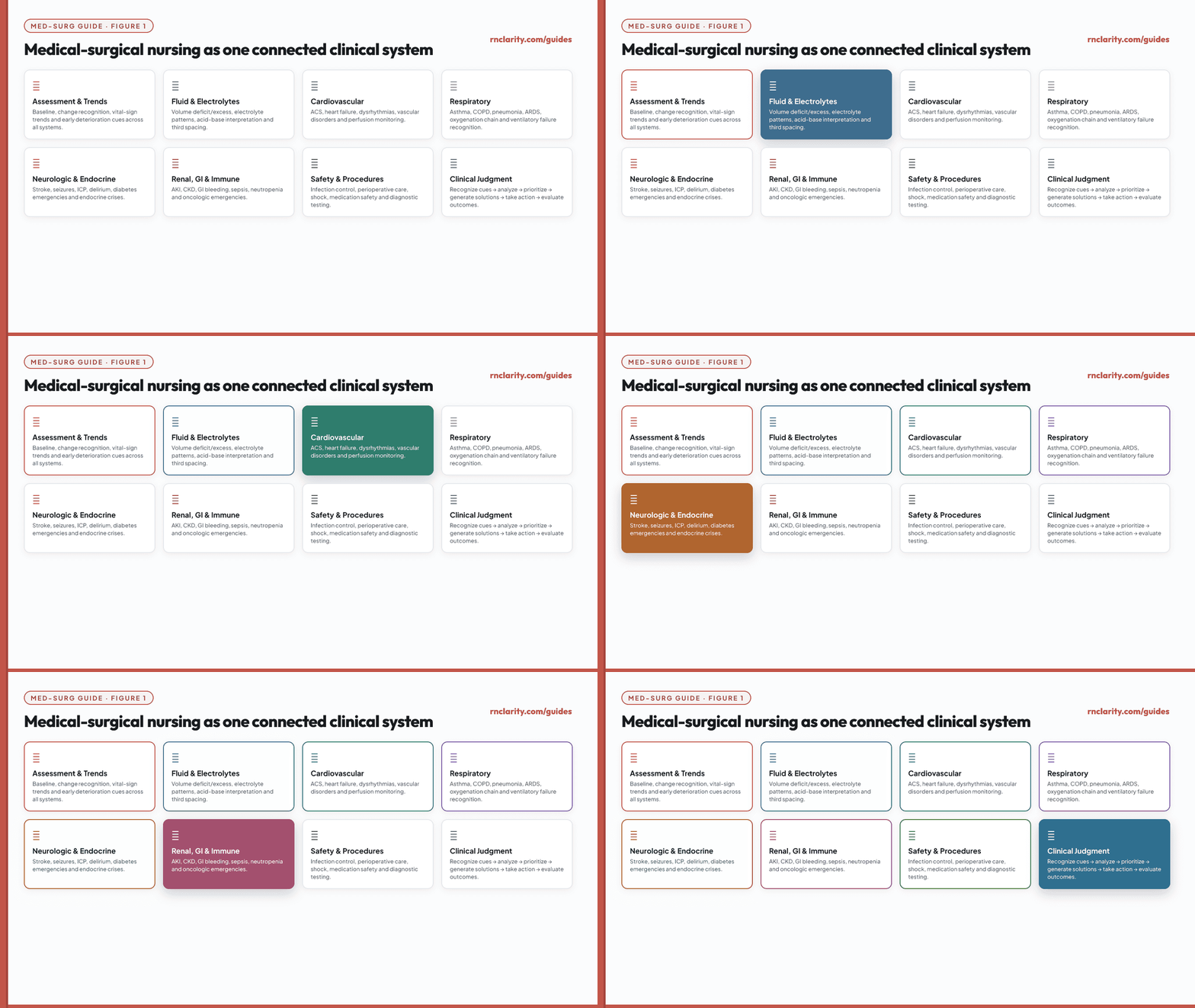
Medical-surgical nursing, often called med-surg nursing, is the care of adults with actual or potential health problems. It includes clients who are stable, clients whose condition is changing, clients recovering from procedures and clients living with complex chronic illness. It is not one narrow specialty. It is the broad clinical foundation that connects assessment, pathophysiology, medications, procedures, safety, communication and clinical judgment.
A med-surg question may appear to be about a disease, but it is usually testing a nursing decision. The candidate may need to recognize deterioration, decide which client is most urgent, choose the safest intervention, identify a complication, evaluate a medication response, delegate a routine task or teach the client how to prevent another hospitalization.
The strongest med-surg students do not memorize one isolated fact for every disorder. They learn repeatable patterns. They understand how airway, breathing, circulation, neurologic function, fluid balance, metabolism, elimination and infection affect one another. They also understand that the same diagnosis can create different priorities in different clients.
The central med-surg question: What has changed, what can cause the greatest harm, what should the nurse do now and what finding will show whether the action worked?
Go deeper: For a complete breakdown of the 2026 NCLEX-RN® Test Plan, Client Needs categories and adaptive scoring, see the NCLEX-RN® 2026 test plan guide.
2. Alignment With the April 2026 NCLEX-RN® Test Plan
The official 2026 NCLEX-RN® Test Plan is effective April 2026. Medical-surgical nursing is not a single content category. It appears across the entire blueprint, especially Physiological Adaptation, Reduction of Risk Potential, Pharmacological and Parenteral Therapies, Basic Care and Comfort, Safety and Infection Prevention and Control, and Management of Care.
The test plan also integrates caring, clinical judgment, communication and documentation, culture and spirituality, the nursing process, and teaching/learning across all categories. This guide therefore repeats those processes throughout instead of treating them as separate topics.
| Client Needs area | Official range | Med-surg examples |
|---|---|---|
| Management of Care | 15–21% | Prioritization, delegation, care coordination, scope, handoff and discharge planning |
| Safety and Infection Prevention and Control | 10–16% | Isolation, asepsis, falls, equipment safety, client identification and error prevention |
| Health Promotion and Maintenance | 6–12% | Screening, prevention, lifestyle teaching and self-management |
| Psychosocial Integrity | 6–12% | Coping, communication, delirium, loss, chronic illness and support |
| Basic Care and Comfort | 6–12% | Mobility, hygiene, nutrition, elimination, pain, skin and sleep |
| Pharmacological and Parenteral Therapies | 13–19% | Medication safety, IV therapy, blood products and monitoring |
| Reduction of Risk Potential | 9–15% | Laboratory and diagnostic trends, procedures and complication prevention |
| Physiological Adaptation | 11–17% | Acute, chronic and life-threatening physical conditions |
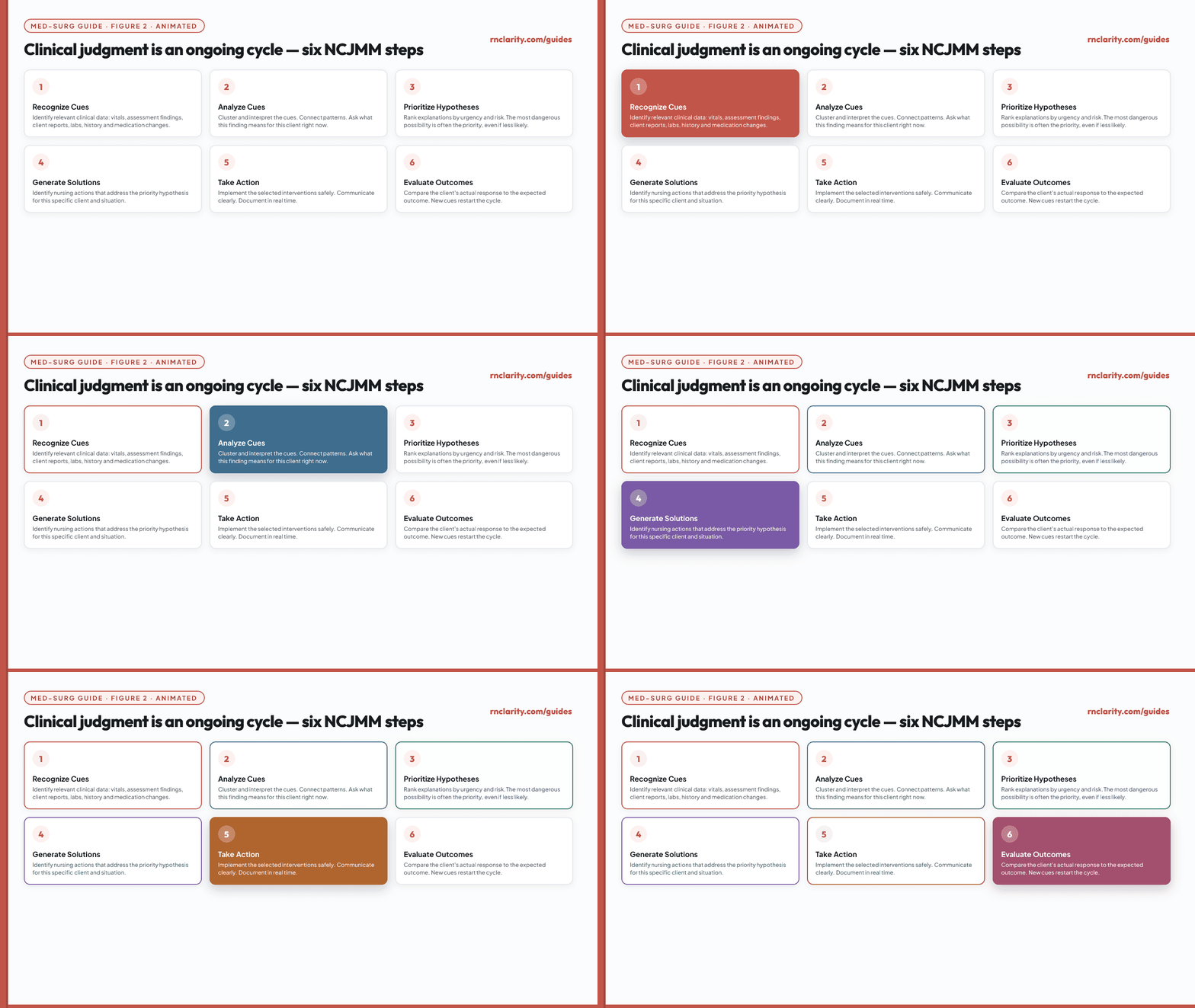
Go deeper: For the six CJMM steps and how clinical judgment is tested across every item type, see the clinical judgment guide.
3. The Universal Med-Surg Thinking Method
A reliable med-surg method reduces guesswork. Use the same sequence whether the question involves heart failure, a bowel obstruction, a medication reaction or a postoperative complication.
- Read the client story before focusing on the answer options. Identify the diagnosis, baseline, recent procedure, medications and current complaint.
- Find the change. New, worsening or unexpected information is usually more important than an old stable finding.
- Organize cues by airway, breathing, circulation, neurologic function, safety, fluid balance, infection and pain.
- Identify the most likely and most dangerous explanations. A possible diagnosis is not automatically the priority unless the cues support it.
- Choose actions that fit the urgency. Some clients need more assessment; others need immediate support and escalation.
- Evaluate the result. Look for objective improvement, lack of response or a new complication.
Assessment before action is not an absolute rule
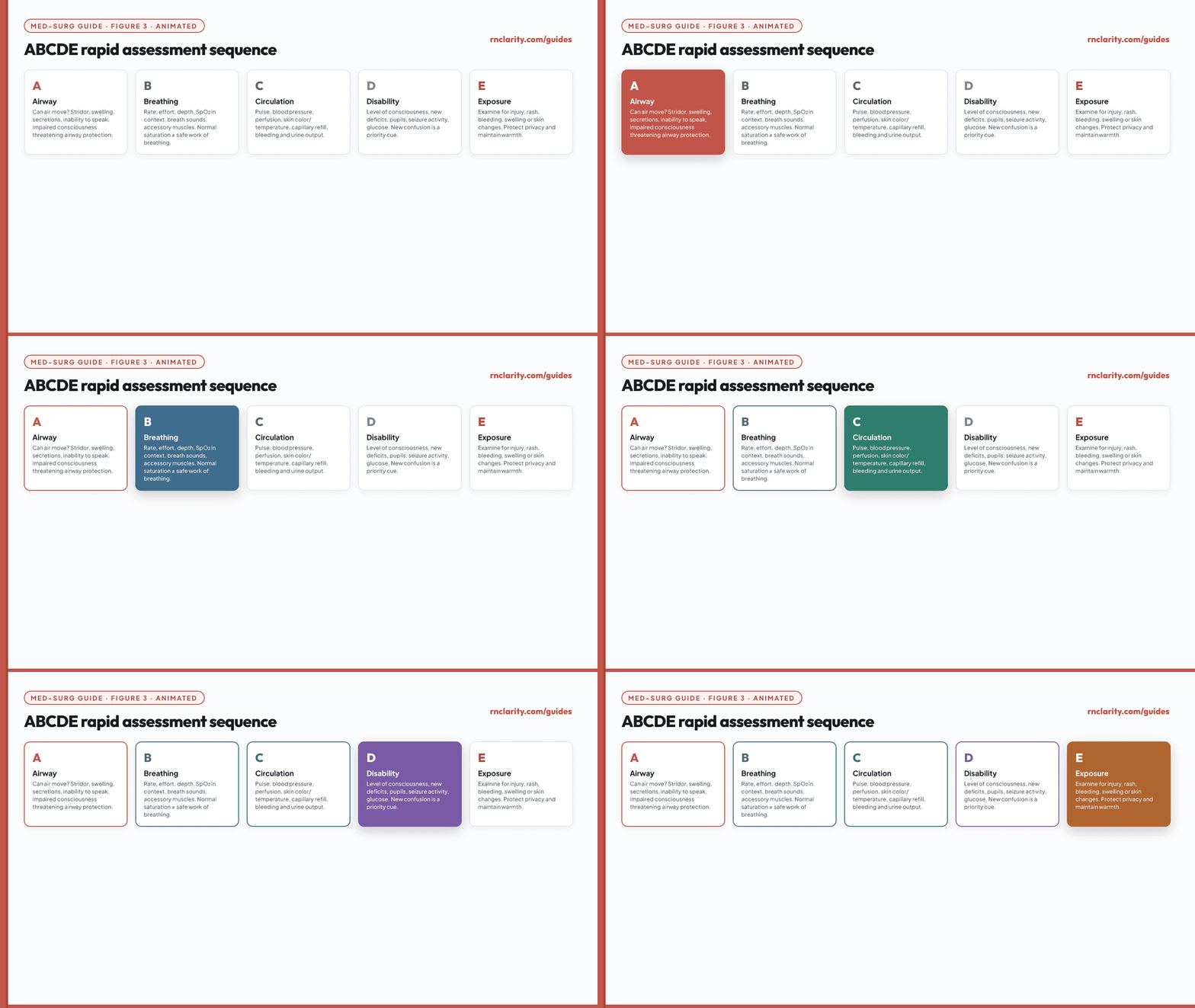
Assessment is usually appropriate when the nurse needs more information to determine the safest response. However, it is unsafe to delay a clearly required emergency action. Examples include opening an obstructed airway, stopping a suspected blood-transfusion reaction, supporting a client without effective breathing, controlling major external bleeding, initiating the emergency response for a pulseless client or protecting a client who is actively attempting self-harm.
Priority clues that matter across systems
- New difficulty breathing, stridor, silent chest, cyanosis or rapidly increasing work of breathing.
- Sudden chest discomfort, severe hypotension, weak pulses, new dysrhythmia or signs of poor perfusion.
- New unilateral weakness, speech change, seizure, unequal pupils or falling level of consciousness.
- Rapidly falling urine output, increasing edema, sudden weight change or worsening electrolyte abnormalities.
- New fever or hypothermia with confusion, hypotension, respiratory change or reduced urine output.
- Postprocedure findings that are unexpected for the time and type of procedure.
- A new medication-related change such as bleeding, respiratory depression, severe allergy or altered mental status.
4. Assessment, Trends and Early Deterioration
One abnormal number rarely tells the full story. Med-surg nursing depends on trends and relationships. A blood pressure may be normal for one client but dangerous for another when it represents a major fall from baseline and is accompanied by confusion, cool skin and reduced urine output.
| Assessment area | What to observe | Why it matters |
|---|---|---|
| General appearance | Work of breathing, posture, color, distress, interaction | The client may look unwell before one monitor value becomes alarming. |
| Mental status | Orientation, behavior, arousal, new agitation or lethargy | The brain is sensitive to oxygenation, perfusion, glucose and medication changes. |
| Respiratory | Rate, depth, effort, breath sounds, cough, oxygenation trend | Fatigue and reduced air movement can be more dangerous than loud wheezing. |
| Circulation | Rate, rhythm, blood pressure trend, pulses, capillary refill, skin and urine | Perfusion is a whole-client assessment, not one blood-pressure reading. |
| Fluid balance | Weight, edema, mucous membranes, lung sounds, intake and output | Daily weight and trends often reveal change earlier than visual assessment alone. |
| Pain | Location, quality, onset, triggers, associated signs and response | Pain can be a symptom of deterioration, not merely a comfort problem. |
| Lines and devices | Site, patency, drainage, settings, alarms and need | Devices can cause infection, bleeding, infiltration, obstruction or injury. |
When a finding is concerning, verify it without creating an unsafe delay. Recheck an unexpected vital sign, assess the client directly, inspect the equipment and compare with the trend. A machine value should never replace bedside assessment.
| Trend question | Why it helps |
|---|---|
| What was the baseline? | The same value can mean something different for different clients. |
| Is the change expected after the procedure or treatment? | Expected findings and complications must be separated. |
| How fast is it changing? | Rapid change is often more urgent than a stable chronic abnormality. |
| Does the client have symptoms? | Clinical effects determine urgency. |
| Could collection or equipment error explain it? | Hemolysis, contamination, timing and device problems can mislead. |
| What action or treatment occurred before the change? | The result may show effectiveness, toxicity or a new complication. |
Go deeper: Connect laboratory results with symptoms, trends and safe escalation in the lab interpretation guide.
5. Fluid, Electrolyte and Acid-Base Priorities
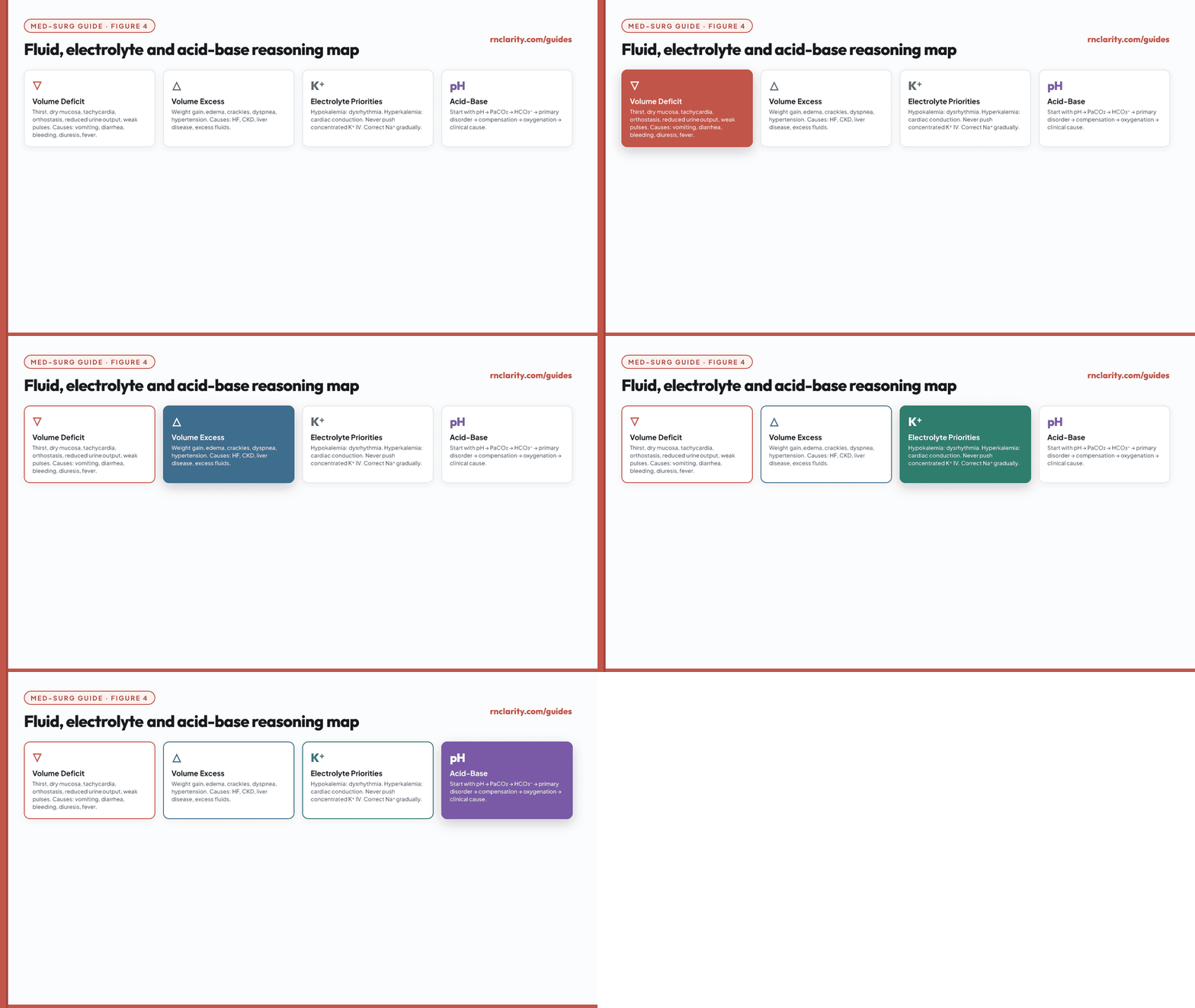
Fluid and electrolyte problems are common because almost every major disorder affects intake, loss, distribution or kidney regulation. The nurse should connect the laboratory value with the client, the trend and the likely cause. Reference ranges can vary by laboratory and method, so the current report and facility policy should be used.
Volume deficit
Common causes include vomiting, diarrhea, bleeding, fever, diuresis, poor intake and fluid movement into injured tissues. Findings may include thirst, dry mucous membranes, orthostatic symptoms, tachycardia, reduced urine output, weak pulses and weight loss. Severe loss can reduce tissue perfusion. Nursing care focuses on identifying the cause, monitoring perfusion, measuring output, administering prescribed replacement and evaluating response.
Volume excess
Common causes include heart failure, kidney dysfunction, liver disease, excessive sodium or fluid administration and some medications. Findings may include rapid weight gain, edema, crackles, dyspnea, increased venous pressure and hypertension. The nurse monitors breathing, oxygenation, weight, intake and output, kidney function and response to prescribed diuresis or fluid restriction.
High-yield electrolyte patterns
| Electrolyte pattern | Possible manifestations | Nursing safety focus |
|---|---|---|
| Potassium too high | Weakness, paresthesia and potentially dangerous conduction changes | Cardiac monitoring when indicated, review kidney function and medications, prepare prescribed treatment. |
| Potassium too low | Weakness, cramps, ileus and dysrhythmia risk | Monitor rhythm and replacement; never give concentrated potassium by unsafe IV push. |
| Sodium too high | Thirst, restlessness, dry mucous membranes, confusion or seizure | Correct gradually according to protocol; assess neurologic status. |
| Sodium too low | Headache, confusion, nausea, seizure in severe or rapid cases | Rate of correction matters; severe symptomatic hyponatremia requires urgent evaluation. |
| Calcium too high | Weakness, constipation, polyuria, bone pain, altered mental status | Hydration, mobility as indicated; assess for malignancy or hyperparathyroidism. |
| Calcium too low | Muscle cramps, paresthesia, laryngospasm, positive Chvostek or Trousseau signs | Seizure and airway precautions; administer prescribed replacement with cardiac monitoring. |
| Magnesium too high | Loss of deep-tendon reflexes, respiratory depression, hypotension | Assess deep tendon reflexes, respiratory rate and cardiac rhythm; have calcium gluconate available. |
| Magnesium too low | Tremor, muscle weakness, dysrhythmia, worsening low potassium or calcium | Recheck potassium and calcium; replace as prescribed. |
Acid-base interpretation begins with pH, then PaCO₂ and bicarbonate, followed by compensation, oxygenation and the clinical cause. Never treat an ABG as an isolated math exercise. The priority is the disorder causing the imbalance and the client's ability to ventilate and perfuse.
Go deeper: For the complete six-step ABG interpretation method and all four acid-base disorders, see the ABG interpretation guide.
6. Cardiovascular Nursing
Cardiovascular questions commonly test perfusion. The heart must generate effective flow, the rhythm must support filling and ejection, the blood vessels must distribute blood, and the circulating volume must be adequate. A problem anywhere in this system can reduce oxygen delivery to organs.
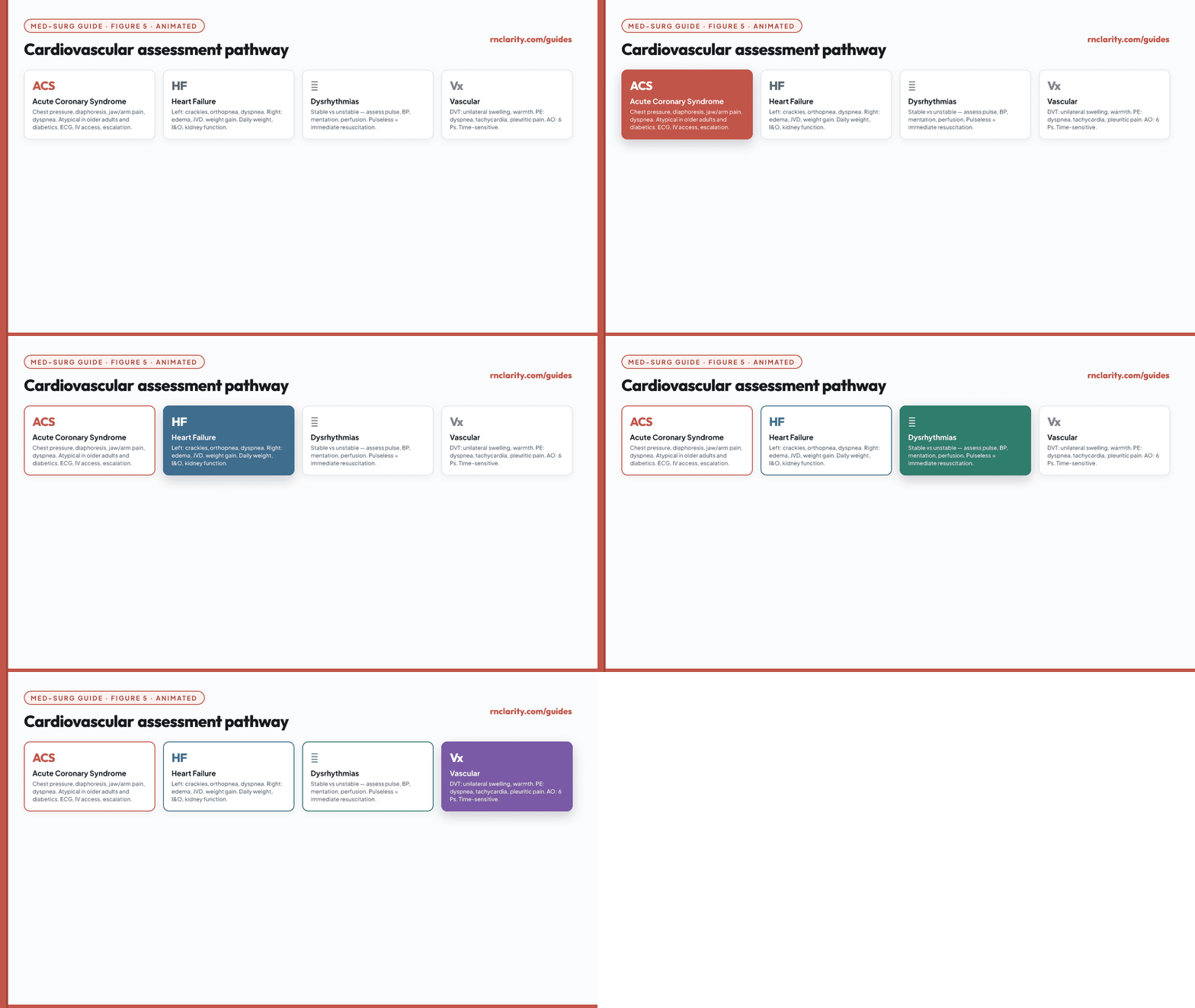
Acute coronary syndrome
Possible findings include pressure, tightness or discomfort in the chest, arm, jaw, back or upper abdomen; dyspnea; diaphoresis; nausea; unusual fatigue; or unexplained weakness. Some clients, including older adults and people with diabetes, may have less typical symptoms. Nursing priorities include rapid assessment, vital signs, cardiac monitoring, obtaining a 12-lead ECG as directed, IV access when indicated, prescribed medications, and prompt escalation. The nurse should not dismiss symptoms because pain is mild or absent.
Heart failure
Left-sided congestion often produces dyspnea, orthopnea, crackles, cough and reduced oxygenation. Right-sided congestion often produces peripheral edema, jugular venous distention, abdominal fullness and weight gain. Many clients have both. Daily weight, respiratory status, edema, intake and output, kidney function, electrolytes and response to therapy are central nursing data. Sudden severe dyspnea with frothy sputum, hypoxemia or marked distress requires rapid escalation.
Dysrhythmias
The nurse first asks whether the client is stable. A monitor rhythm is interpreted with pulse, blood pressure, mental status, chest symptoms, breathing and perfusion. Artifact must be considered when the tracing does not match the client. Unstable bradycardia or tachyarrhythmia requires immediate emergency support and treatment according to current protocols. Pulseless rhythms require high-quality resuscitation and the appropriate arrest pathway.
Vascular disorders
Deep vein thrombosis may cause unilateral swelling, warmth and discomfort. Pulmonary embolism may cause sudden dyspnea, pleuritic pain, tachycardia, hypoxemia, syncope or shock. Arterial occlusion can produce sudden pain, pallor, pulselessness, paresthesia, paralysis and coolness. These are time-sensitive conditions. Do not massage a limb with suspected thrombosis, and do not delay escalation for a possible acute arterial or pulmonary obstruction.
Go deeper: For ECG rhythm identification, rate and interval measurement and priority nursing actions for each rhythm, see the ECG interpretation guide.
7. Respiratory Nursing
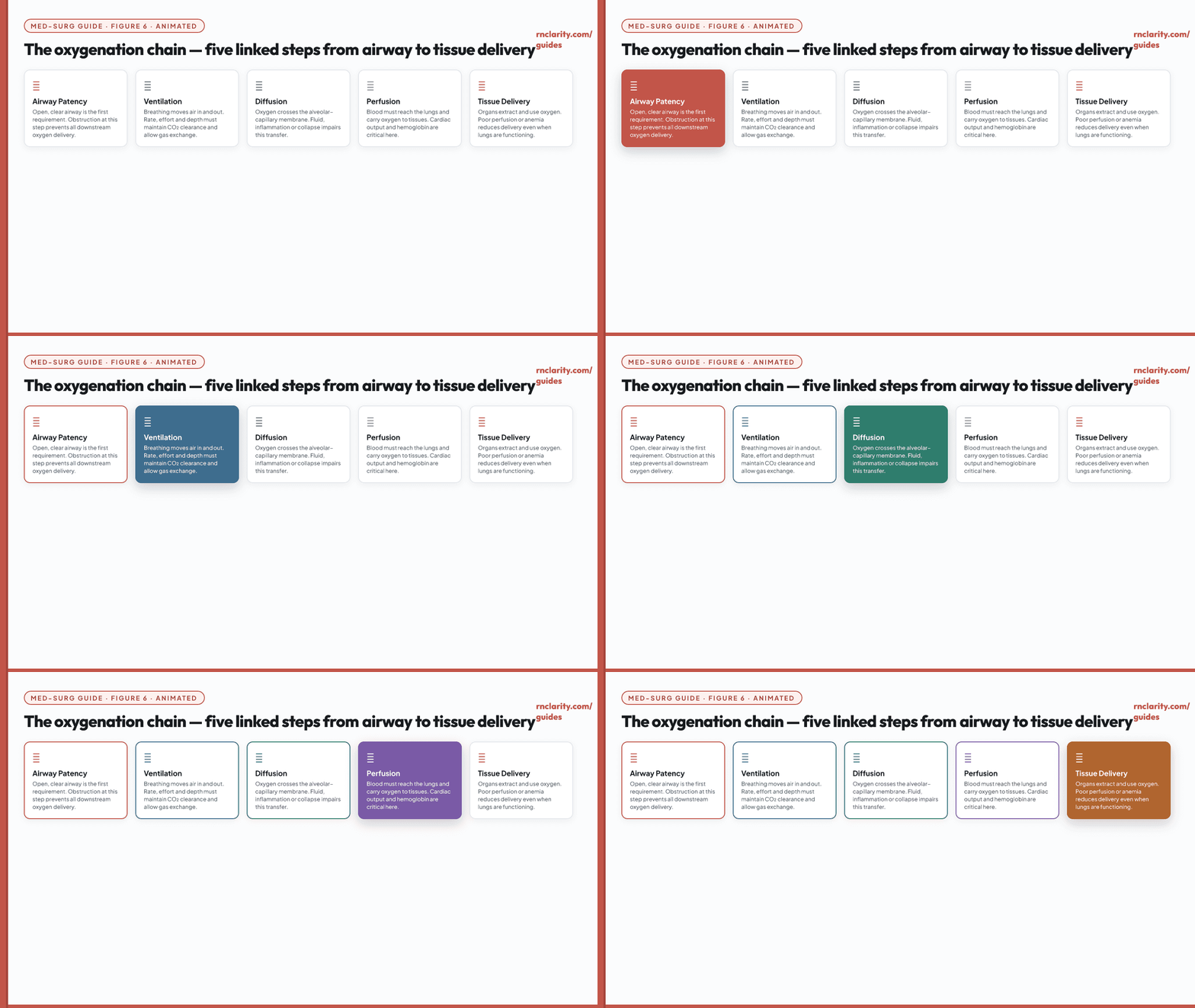
Respiratory assessment begins before the stethoscope touches the chest. Observe the client's position, ability to speak, respiratory rate and effort, accessory-muscle use, skin color and mental status. Then assess breath sounds, cough, sputum, oxygenation, chest movement and relevant diagnostic trends.
Asthma
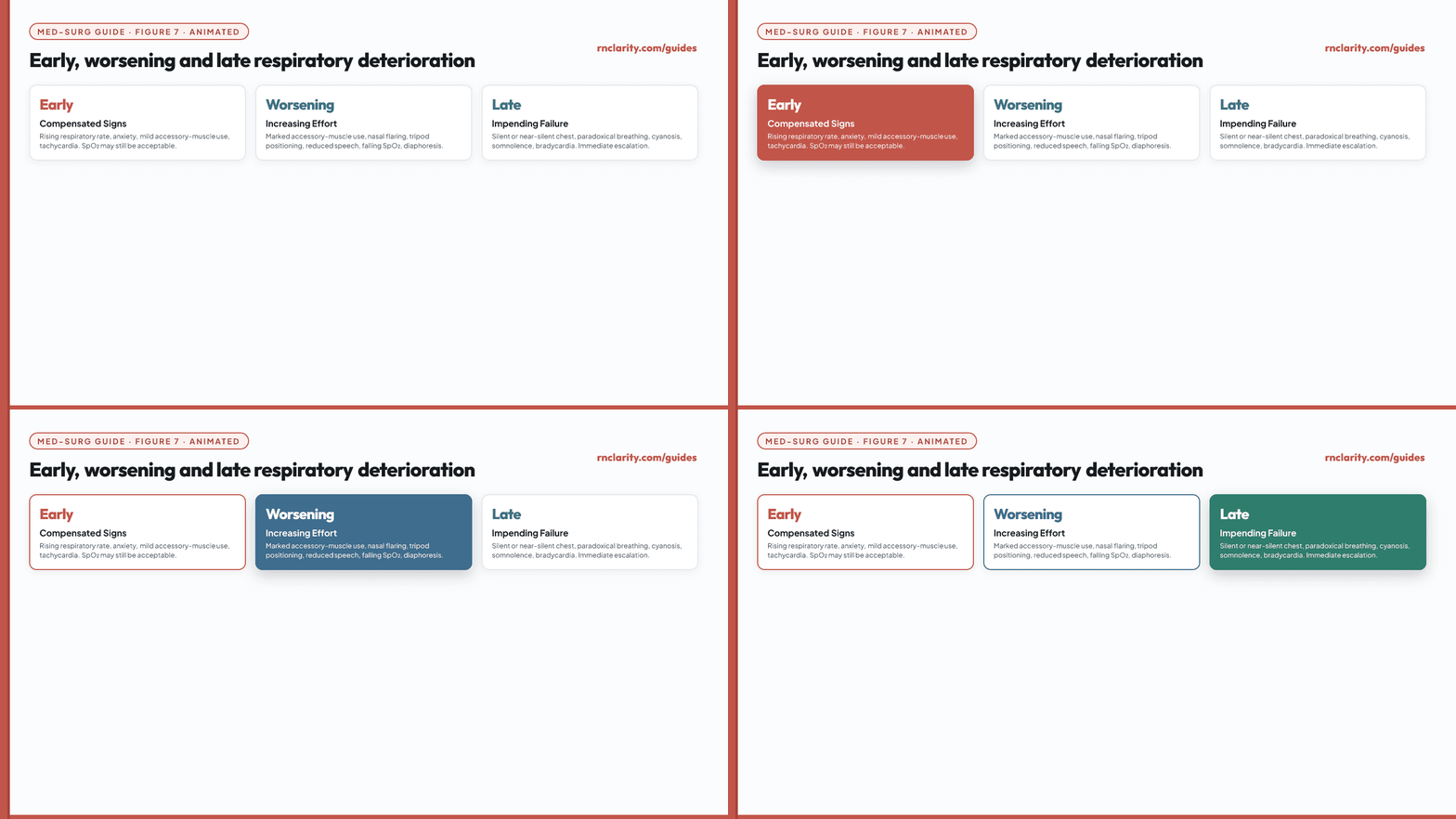
Asthma involves variable airway inflammation and narrowing. During an exacerbation, the nurse monitors work of breathing, air movement, speech, oxygenation and response to bronchodilator and anti-inflammatory therapy. A quieter chest can indicate improvement if effort and airflow improve, but a silent or nearly silent chest in a distressed client may mean critically reduced airflow. Teach correct inhaler technique, trigger management and the difference between controller and reliever therapy according to the prescribed plan.
COPD
COPD care includes assessment of baseline function, worsening dyspnea, sputum change, infection signs, nutrition, fatigue and medication technique. Oxygen is prescribed and titrated to the client's ordered target; it should not be withheld from a hypoxemic client because of a simplistic fear of suppressing respiratory drive. The nurse watches for increasing somnolence, fatigue, worsening gas exchange and inability to clear secretions.
Pneumonia, atelectasis and ARDS
Pneumonia can impair gas exchange and may progress to sepsis. Atelectasis is common after surgery and with immobility; prevention includes mobility, deep breathing, pain control that supports ventilation and use of prescribed lung-expansion measures. ARDS causes severe inflammatory lung injury and refractory oxygenation problems. Clients may require advanced respiratory support, lung-protective ventilation strategies and close monitoring for complications.
Chest tubes and mechanical ventilation
For a chest drainage system, keep the unit upright and below chest level, assess the insertion site, tubing, drainage and prescribed suction, and respond to sudden respiratory change. Do not clamp routinely or manipulate the system without a clinical reason and policy. For a ventilated client, assess the client first when an alarm occurs. Check airway patency, breathing, tube position, secretions, circuit connections and the likely alarm cause. If the ventilator cannot support the client and immediate troubleshooting fails, use emergency ventilation according to policy and call for help.
8. Neurologic Nursing
Neurologic deterioration can be subtle. A new change in attention, speech, strength or behavior may be more important than a chronic diagnosis. Baseline mental status is essential because "confused" is not specific enough.
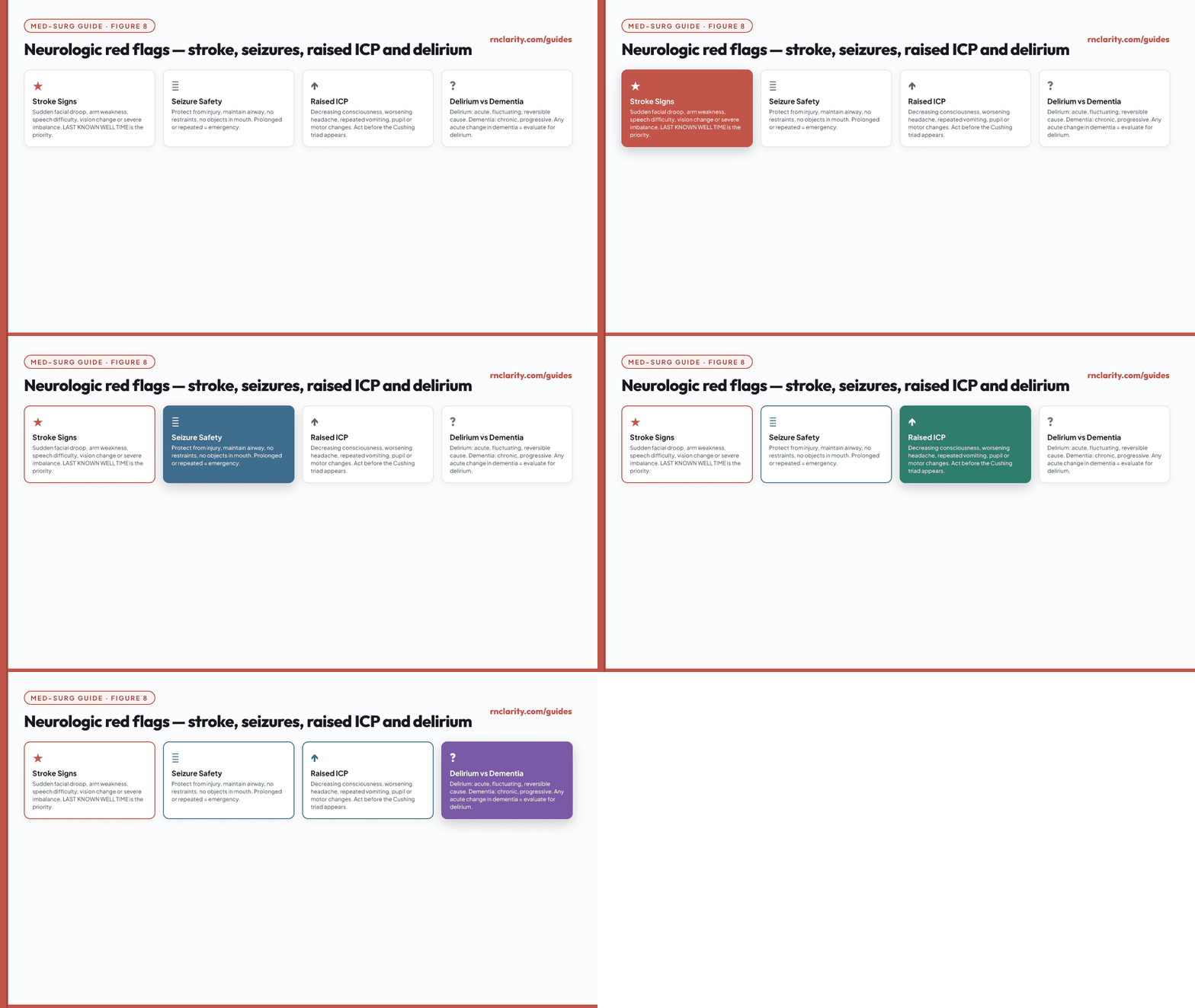
Stroke
Sudden facial weakness, arm weakness, speech difficulty, vision change, severe imbalance or other focal deficit requires immediate stroke-system activation. Establish the last known well time, assess glucose, protect the airway, obtain neurologic and vital-sign data and prepare for urgent imaging and treatment. Do not give food, fluid or oral medication until swallowing safety is established when dysphagia is possible.
Seizures
During a seizure, protect the client from injury, maintain the airway as safely as possible, remove nearby hazards, do not restrain forcefully and do not place objects in the mouth. Record the onset, duration, movement pattern, awareness, color and recovery. Prolonged or repeated seizure activity without recovery is an emergency. Afterward, assess airway, breathing, circulation, injury, glucose when indicated and the likely cause.
Increased intracranial pressure
Concerning findings include decreasing consciousness, worsening headache, repeated vomiting, pupillary or motor change and abnormal respiratory or hemodynamic patterns. Keep the head and neck aligned as ordered, avoid unnecessary stimulation or actions that markedly increase pressure, support oxygenation and escalate deterioration promptly. A late vital-sign pattern should never be awaited before acting.
Delirium versus dementia
Delirium usually has an acute or fluctuating course and often indicates an underlying problem such as infection, hypoxia, medication effect, metabolic disorder, withdrawal or organ failure. Dementia is generally chronic and progressive. A sudden change in a client with dementia should be treated as possible delirium until evaluated. Nursing care includes safety, orientation, sleep support, sensory aids, hydration and treatment of the cause.
9. Endocrine Nursing
Diabetes and hypoglycemia
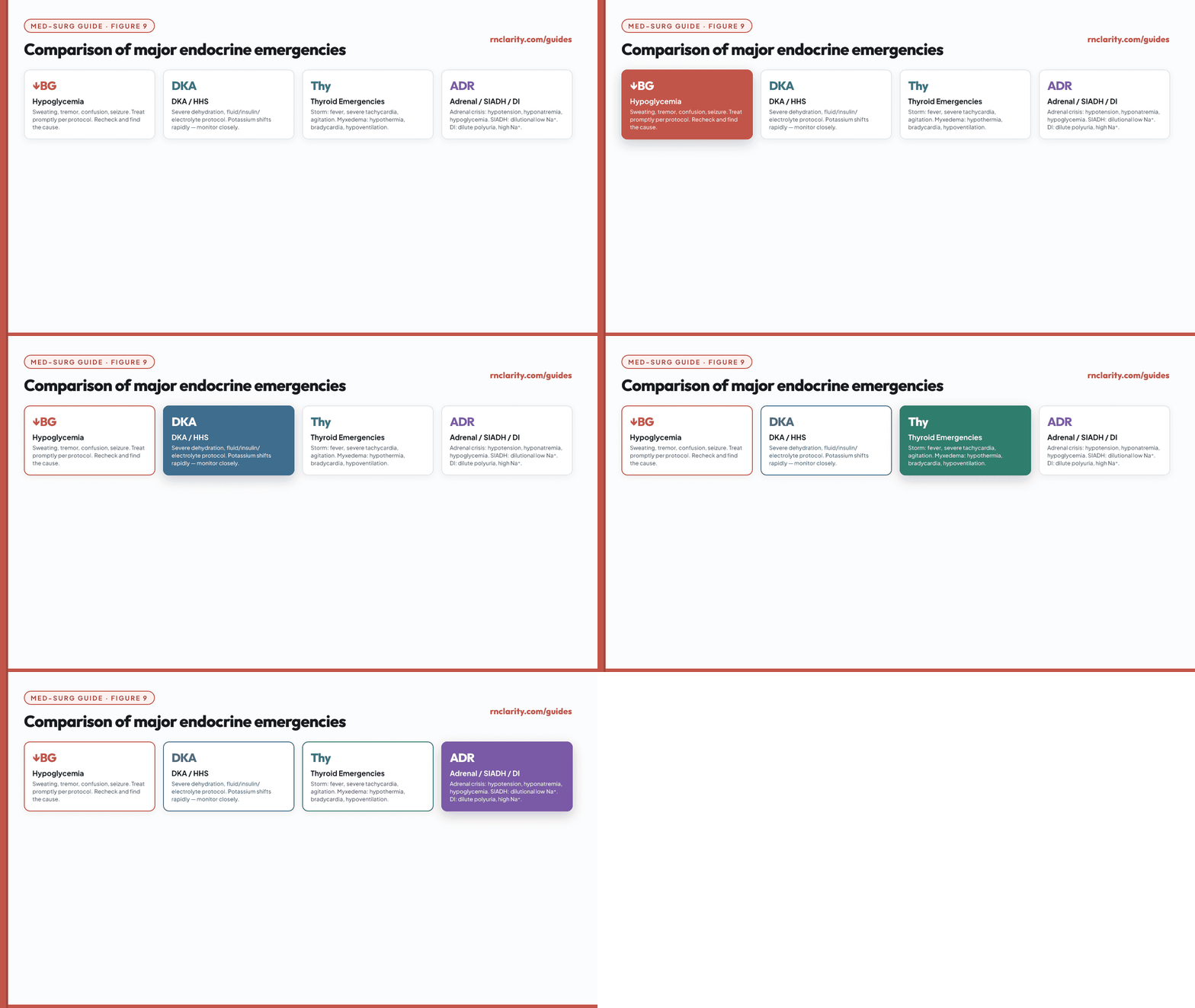
Hypoglycemia can cause sweating, tremor, hunger, palpitations, behavior change, confusion, seizure or unconsciousness. Treat promptly according to the client's ability to swallow and the prescribed protocol. Recheck glucose and determine why the episode occurred. For ongoing diabetes care, nursing priorities include medication safety, meal coordination, skin and foot assessment, recognition of hyperglycemia, sick-day teaching and discharge access to supplies and follow-up.
DKA and HHS
Both disorders cause severe dehydration and require careful fluid, insulin, electrolyte and neurologic monitoring. DKA is characterized by ketone production and metabolic acidosis, while HHS usually has more extreme hyperosmolar dehydration and little significant ketosis. Potassium can shift rapidly during treatment even when the initial value is not low. Follow the ordered protocol and monitor the whole trend rather than one glucose value.
Thyroid and adrenal emergencies
Thyroid storm may produce fever, severe tachycardia, agitation, gastrointestinal symptoms and cardiac decompensation. Myxedema coma may produce hypothermia, bradycardia, hypoventilation and reduced consciousness. Adrenal crisis may cause hypotension, weakness, abdominal symptoms, electrolyte abnormalities and hypoglycemia. These conditions require immediate support, prescribed hormone therapy and close monitoring.
SIADH and diabetes insipidus
SIADH causes water retention with concentrated urine and dilutional low serum sodium, creating neurologic risk. Diabetes insipidus causes large amounts of dilute urine, thirst and dehydration, with risk of high serum sodium. The nurse tracks fluid balance, weight, neurologic status, urine concentration, serum trends and response to prescribed treatment.
10. Renal and Urinary Nursing
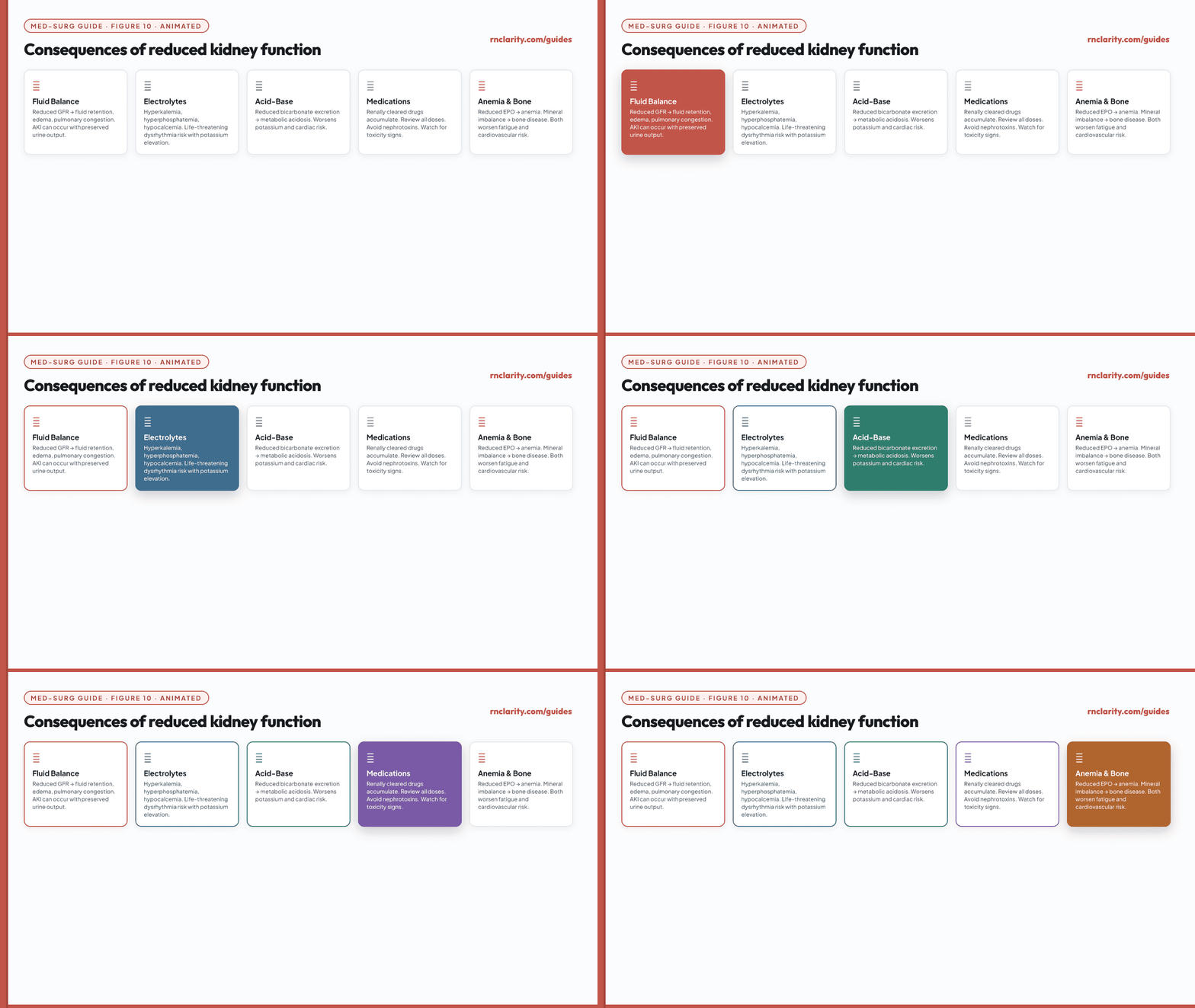
Kidney dysfunction affects far more than urine output. It changes fluid balance, potassium, acid-base status, medication clearance, red-cell production and mineral regulation. A client may continue producing urine despite serious kidney injury, so urine quantity alone does not rule it out.
Acute kidney injury
AKI may result from reduced kidney perfusion, direct kidney injury or urinary obstruction. Nursing assessment includes recent illness, fluid loss, nephrotoxic exposure, medications, contrast exposure, infection, obstruction symptoms, weight, intake and output, creatinine trend, electrolytes and acid-base status. Priorities are to identify the cause, protect perfusion, avoid further injury, adjust medications as ordered and recognize indications for urgent renal support.
Chronic kidney disease
CKD is a long-term disorder that can cause cardiovascular risk, anemia, fluid and electrolyte problems, itching, fatigue, bone and mineral changes and medication accumulation. Education includes blood-pressure and diabetes management, medication review, avoidance of unapproved nephrotoxic products, nutrition guidance, symptom monitoring and preparation for renal replacement therapy when needed.
Dialysis safety
For hemodialysis access, assess the prescribed access, protect it from unnecessary pressure or trauma and follow facility rules regarding blood pressure, venipuncture and invasive procedures. Monitor for bleeding, infection, hypotension and disequilibrium symptoms. For peritoneal dialysis, use strict aseptic technique, assess inflow and outflow, observe effluent and report cloudy drainage or abdominal symptoms that may indicate peritonitis.
Urinary disorders
UTI care includes obtaining specimens correctly, administering prescribed therapy, promoting hydration when appropriate and teaching prevention. Pyelonephritis may include systemic illness and requires prompt assessment. Kidney stones can cause severe colicky pain, hematuria and obstruction. Acute urinary retention causes discomfort and bladder distention and may require prompt drainage according to orders and policy.
11. Gastrointestinal, Hepatic and Pancreatic Nursing
GI bleeding
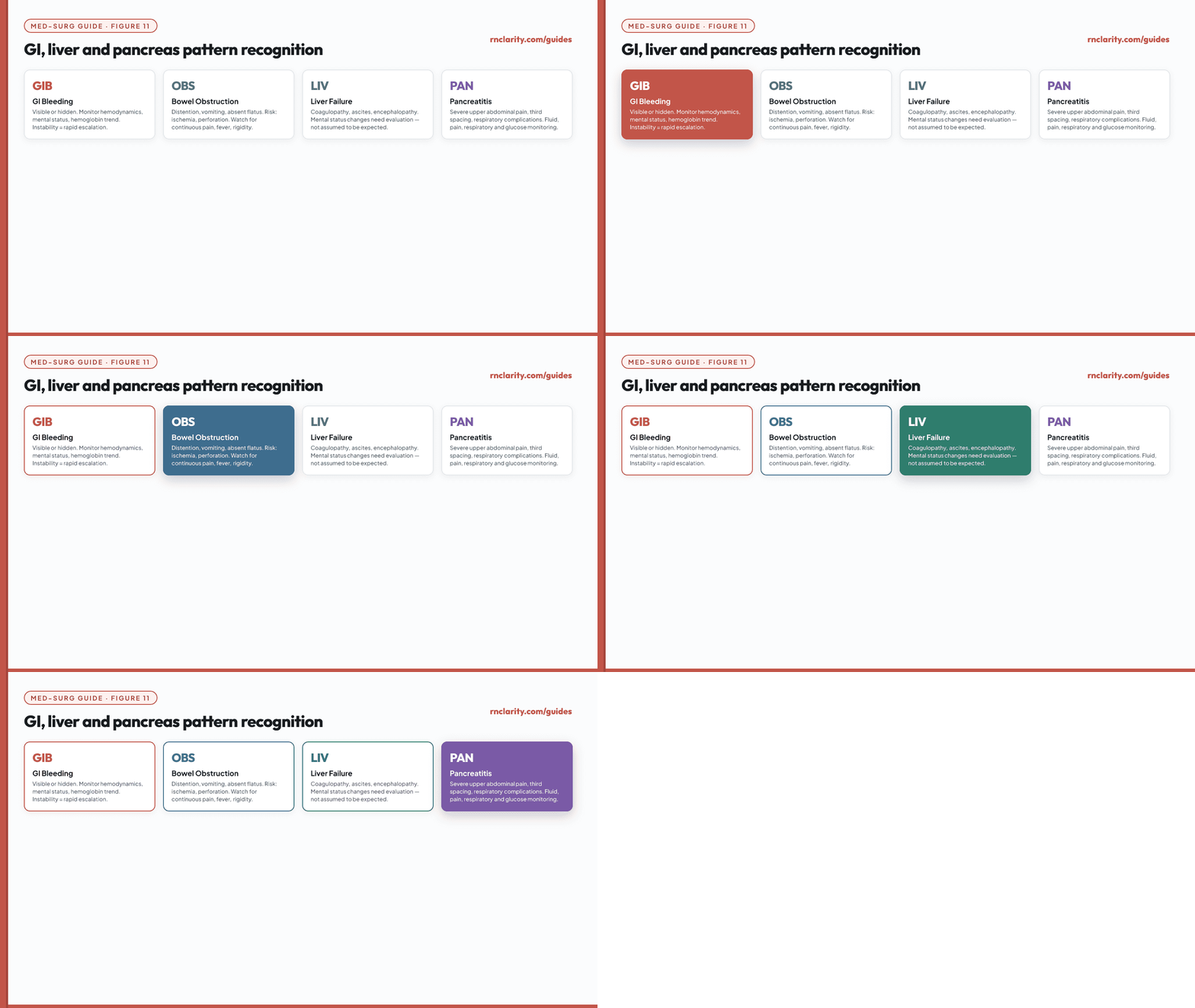
GI bleeding may be visible or hidden. The nurse monitors appearance of emesis and stool, abdominal findings, orthostatic symptoms, mental status, pulse, blood pressure, hemoglobin trend, coagulation status and medication exposure. Hemodynamic instability, ongoing blood loss or altered consciousness requires rapid escalation and preparation for resuscitation and urgent evaluation.
Bowel obstruction
Findings can include cramping pain, distention, vomiting, altered bowel sounds, constipation or inability to pass gas. The client is at risk of dehydration, electrolyte disturbance, ischemia and perforation. Nursing care includes bowel rest as ordered, decompression when prescribed, fluid and electrolyte management, pain and nausea control, abdominal reassessment and watching for continuous severe pain, fever, rigidity or shock.
Liver failure
The damaged liver may not synthesize clotting factors or albumin, clear toxins, regulate glucose or metabolize medications effectively. Watch for bleeding, ascites, edema, infection, altered mental status, low glucose and medication sensitivity. Encephalopathy can worsen with infection, bleeding, constipation, dehydration or medication effects. Mental-status changes require prompt evaluation rather than being assumed to be expected.
Pancreatitis
Acute pancreatitis can cause severe upper abdominal pain, vomiting, systemic inflammation, third spacing, electrolyte disturbance and respiratory complications. Nursing priorities include pain control, fluid and hemodynamic monitoring, respiratory assessment, glucose and electrolyte trends, nutrition planning and surveillance for organ dysfunction.
Ostomy and nutrition care
A healthy new stoma is generally moist and pink to red. Dusky, pale, black or markedly dry tissue requires urgent review. Protect peristomal skin, measure output, teach pouch care and recognize dehydration risk with high-output ostomies. For enteral feeding, verify tube placement according to policy, maintain aspiration precautions, monitor tolerance and flush as prescribed. Do not rely on air-bolus auscultation as proof of feeding-tube placement.
12. Hematology, Oncology and Immune Nursing
Anemia and sickle cell disease
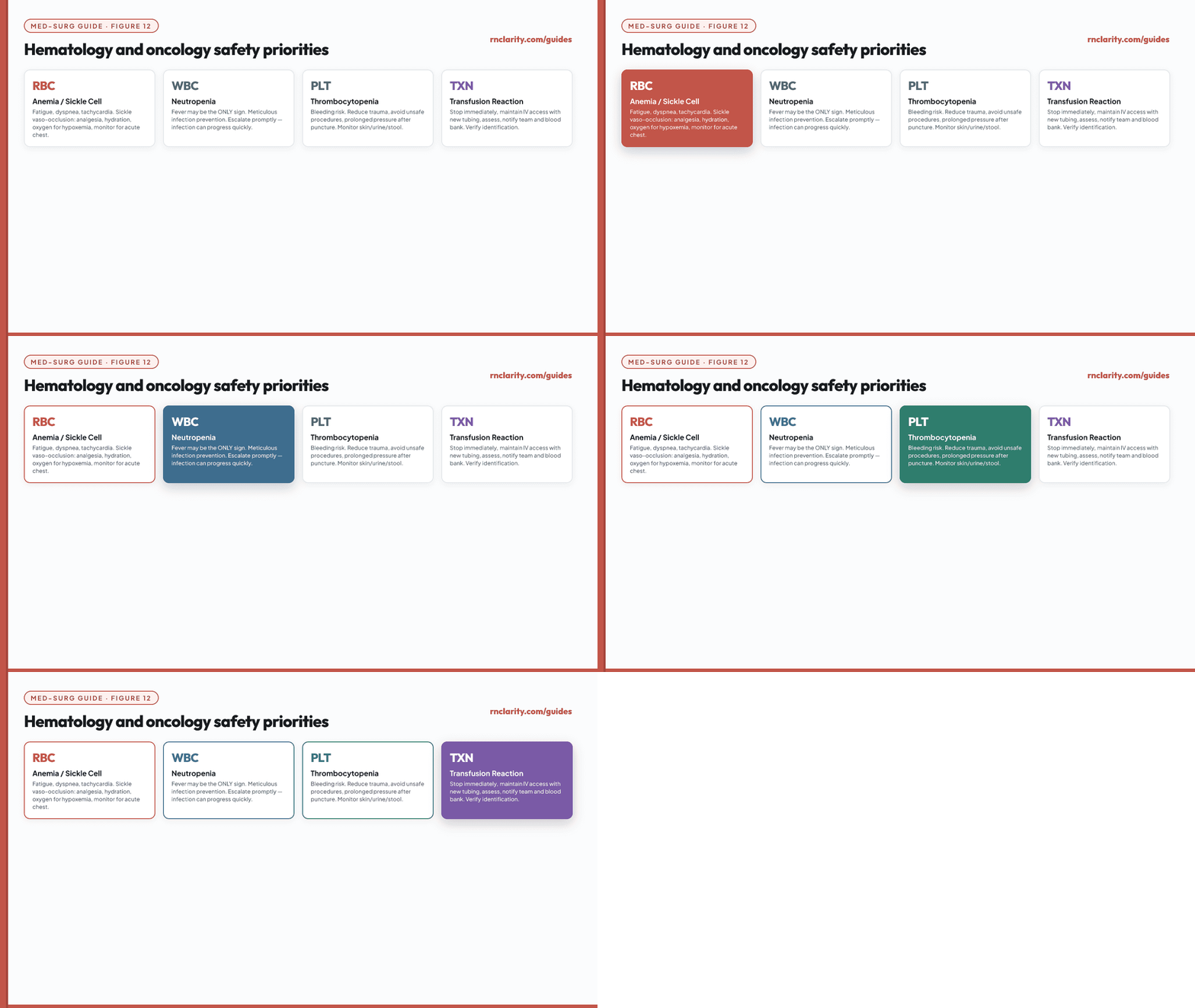
Anemia reduces oxygen-carrying capacity. Symptoms depend on severity, speed of onset and the client's cardiopulmonary reserve. Assess fatigue, dyspnea, tachycardia, chest symptoms and bleeding. Sickle cell vaso-occlusive episodes require individualized analgesia, hydration when appropriate, oxygen for hypoxemia, warmth, treatment of triggers and monitoring for acute chest syndrome, stroke, infection and organ injury.
Neutropenia and thrombocytopenia
A neutropenic client may have limited inflammatory signs, so fever or a subtle change can be urgent. Use meticulous infection prevention, assess central lines and mucosa, avoid unnecessary exposure and escalate possible infection. Thrombocytopenia increases bleeding risk. Reduce trauma, avoid unsafe injections or rectal procedures when contraindicated, monitor skin, urine, stool and neurologic status, and apply prolonged pressure after necessary punctures.
DIC and clotting disorders
DIC involves widespread coagulation activation with consumption of platelets and clotting factors, so the client can clot and bleed. Treat the cause, monitor perfusion and bleeding, trend coagulation studies and blood counts, and administer prescribed support. Sudden dyspnea, chest pain, unilateral swelling or neurologic change can indicate thrombosis and requires urgent evaluation.
Cancer-treatment complications
Important emergencies include febrile neutropenia, tumor lysis syndrome, spinal cord compression, superior vena cava syndrome, hypercalcemia and medication extravasation. The nurse should know the warning signs and the facility response. Vesicant infiltration requires stopping the infusion while leaving access available for aspiration or antidote according to the specific protocol; do not automatically flush the drug into the tissue.
Blood transfusion reactions
When a transfusion reaction is suspected, stop the transfusion, maintain IV access with the compatible solution and new tubing according to policy, assess the client, notify the appropriate team and blood bank, verify identification and complete required specimens and documentation. Do not restart the same blood product unless specifically directed by an authorized protocol after evaluation.
13. Musculoskeletal and Integumentary Nursing
Fractures and neurovascular assessment
Assess pain, pulses, color, temperature, capillary refill, movement and sensation distal to an injury or device. Increasing pain that is out of proportion, pain with passive stretch, tense swelling, paresthesia, weakness or reduced perfusion can suggest compartment syndrome. This is an emergency; do not wait for complete loss of pulse, which is a late finding.
Traction, casts and joint replacement
Maintain prescribed traction alignment and ensure weights hang freely unless the system requires another setup. Assess skin, pin sites and neurovascular status. For casts, support wet material correctly, monitor swelling and teach the client to report increasing pain, numbness, odor, drainage or tightness. After joint replacement, follow procedure-specific movement precautions, prevent falls and VTE, control pain and support early safe mobility.
Pressure injury prevention
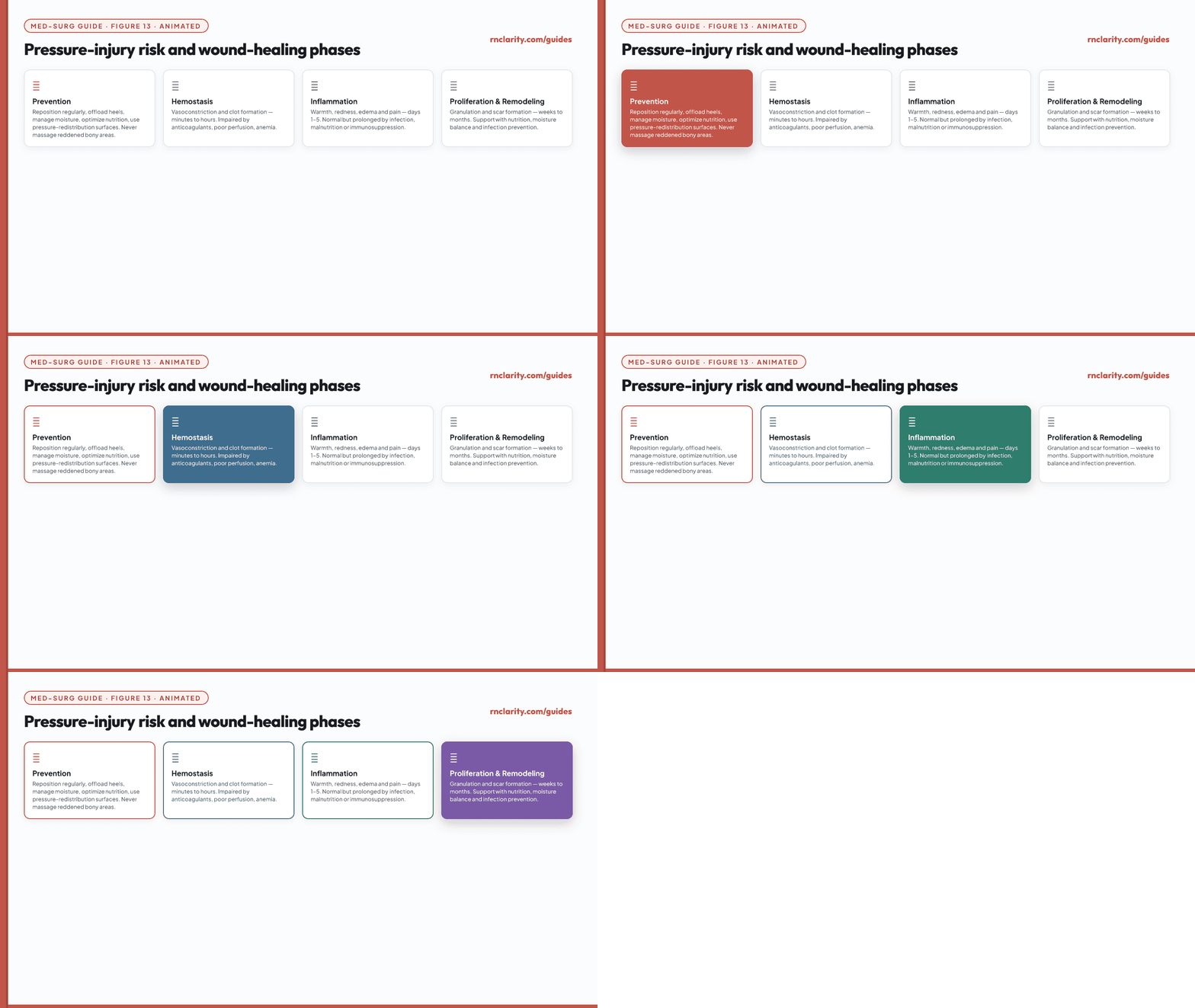
Risk rises with immobility, moisture, poor perfusion, reduced sensation, malnutrition and friction or shear. Prevention includes regular skin inspection, individualized repositioning, heel offloading, moisture management, nutrition support, pressure-redistribution surfaces and minimizing shear. Do not massage reddened bony prominences.
Burns
Initial priorities are airway, breathing and circulation. Facial burns, enclosed-space exposure, soot, voice change or progressive swelling increase concern for inhalation injury. Later care includes fluid and perfusion monitoring, pain management, temperature control, wound care, infection prevention, nutrition and psychosocial support. Electrical injury can cause deep tissue damage and dysrhythmias even when skin injury appears limited.
14. Infection, Sepsis and Isolation
Standard Precautions apply to every client and are selected according to the anticipated exposure. Transmission-Based Precautions are added for known or suspected contact, droplet or airborne spread. The required room, respiratory protection, transport plan and equipment handling depend on the organism, procedure and facility policy.
Recognizing sepsis
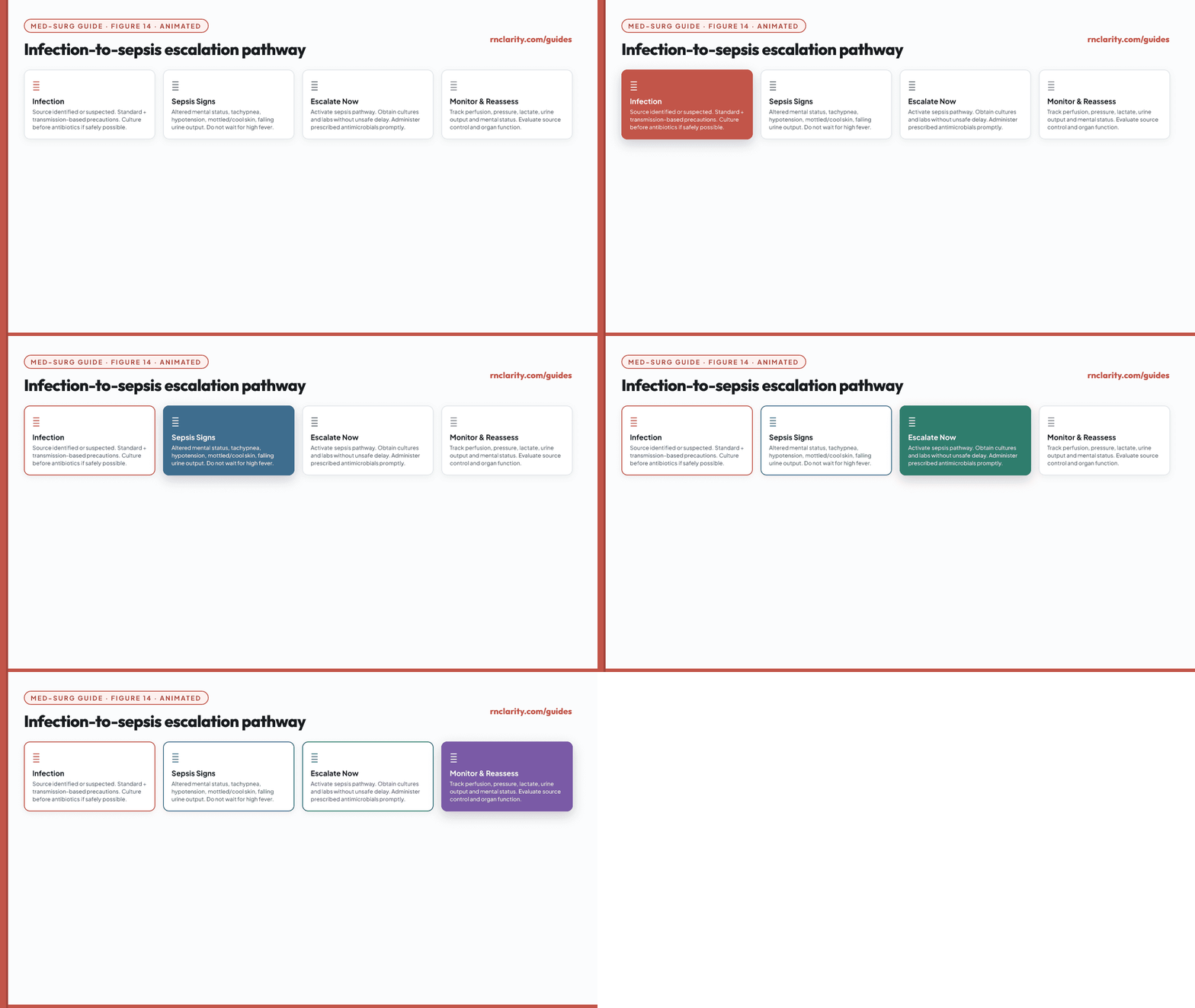
Sepsis is life-threatening organ dysfunction caused by a dysregulated response to infection. Do not rely on fever alone. Concerning patterns include altered mental status, hypotension, tachypnea, hypoxemia, reduced urine output, mottled or cool skin, rising lactate or other organ dysfunction. Older or immunocompromised clients may have subtle presentations.
The 2026 Surviving Sepsis Campaign continues to emphasize early recognition, timely evaluation and treatment of infection, appropriate antimicrobial use, hemodynamic support and repeated reassessment. Nursing responsibilities include rapid escalation, obtaining ordered cultures and tests without unsafe delay, administering therapies promptly, tracking perfusion and fluid response and communicating deterioration clearly.
Preventing healthcare-associated infection
- Perform hand hygiene at the appropriate moments and after glove removal.
- Use aseptic technique for invasive devices and medication preparation.
- Reassess daily whether lines, catheters and drains are still needed.
- Maintain closed systems and secure devices to reduce manipulation.
- Provide oral, skin and catheter care according to evidence-based protocols.
- Use safe injection practices and reprocess equipment correctly.
- Teach clients and families how to participate in infection prevention.
15. Perioperative and Emergency Nursing
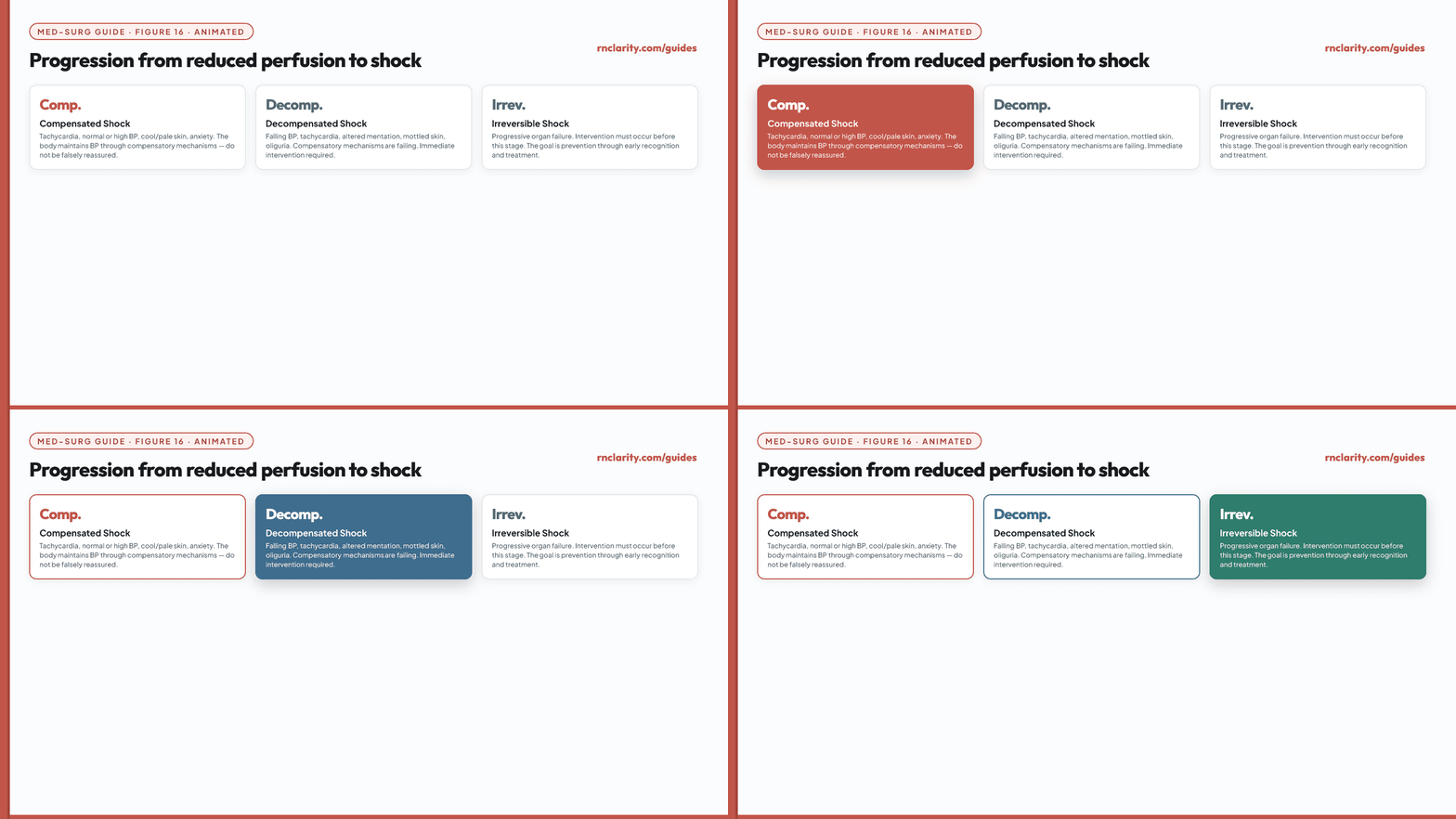
Before a procedure, verify identity, procedure and site according to policy; confirm that the informed-consent process has been completed by the responsible provider; review allergies, medications, fasting status, laboratory findings and baseline assessment; and provide teaching. The nurse witnesses the signature or verifies the process according to jurisdiction and policy but does not substitute for the provider's explanation of risks, benefits and alternatives.
After surgery, airway and ventilation come first, followed by circulation, consciousness, pain, wound and drains, temperature, urine output and procedure-specific checks. Common complications include airway obstruction, hypoventilation, bleeding, atelectasis, pneumonia, urinary retention, ileus, VTE, delirium and wound infection.
Shock
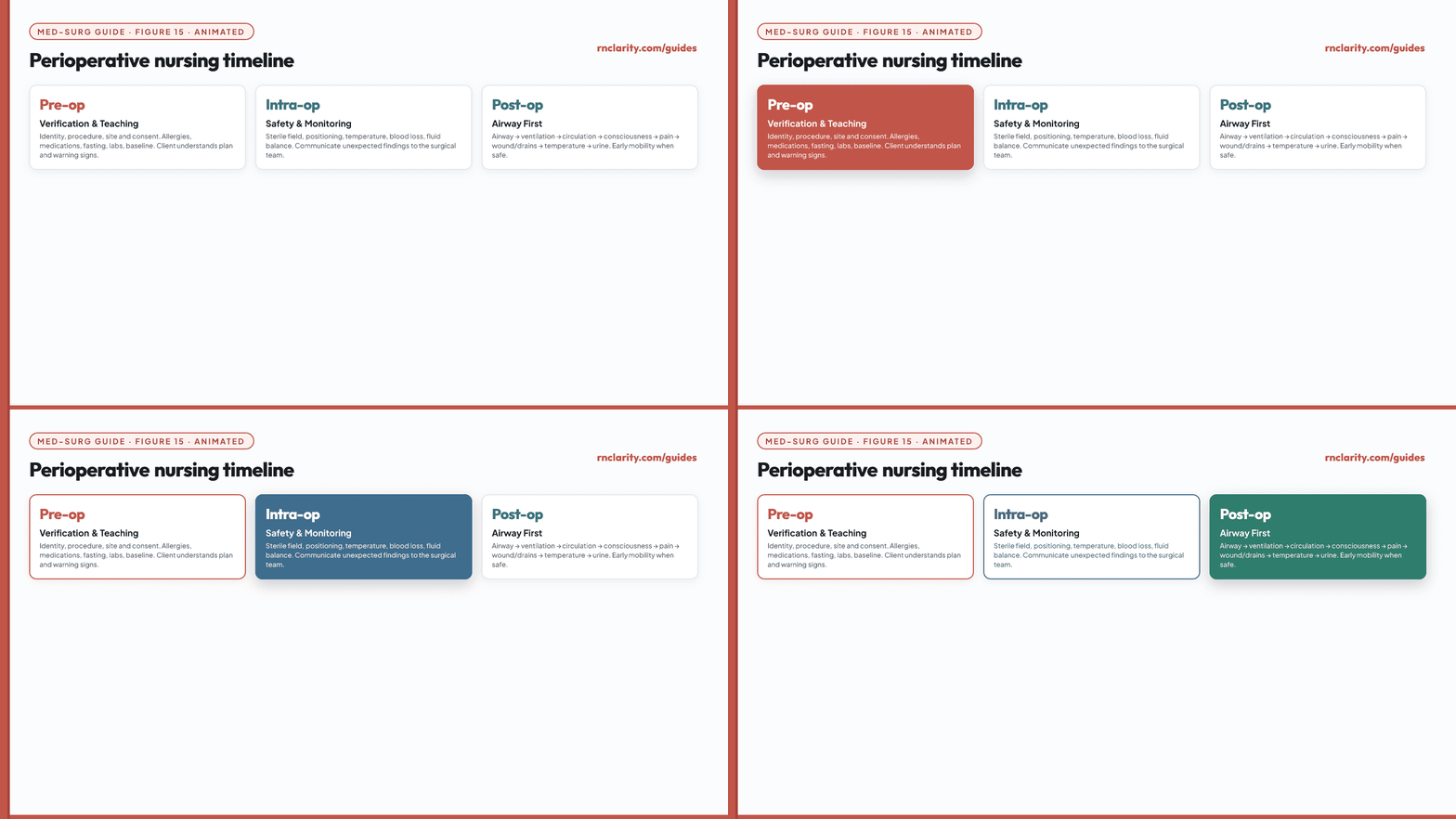
Shock can be hypovolemic, cardiogenic, distributive or obstructive. The appearance differs, but the shared danger is inadequate tissue oxygen delivery. Assess mental status, skin, pulses, respiratory status, urine output, blood pressure trend and possible cause. Provide immediate support, call for help, establish monitoring and access, administer prescribed fluids, blood or vasoactive therapy and reassess frequently. Fluid is not automatically the correct treatment for every form of shock.
Emergency nursing principles
- Safety and scene control come before detailed history.
- Use a rapid primary survey, then a focused secondary assessment.
- Identify time-sensitive conditions such as stroke, acute coronary syndrome, sepsis, anaphylaxis, major bleeding and limb ischemia.
- Reassess after every major intervention because emergency conditions change quickly.
- Communicate changes and response using concise, objective data.
16. Medication and Diagnostic-Test Safety
Medication questions often test whether the nurse recognizes the assessment or laboratory value that matters before administration. Consider the indication, allergy status, vital signs, kidney and liver function, interactions, route, ability to swallow, IV access and the expected therapeutic and adverse effects.
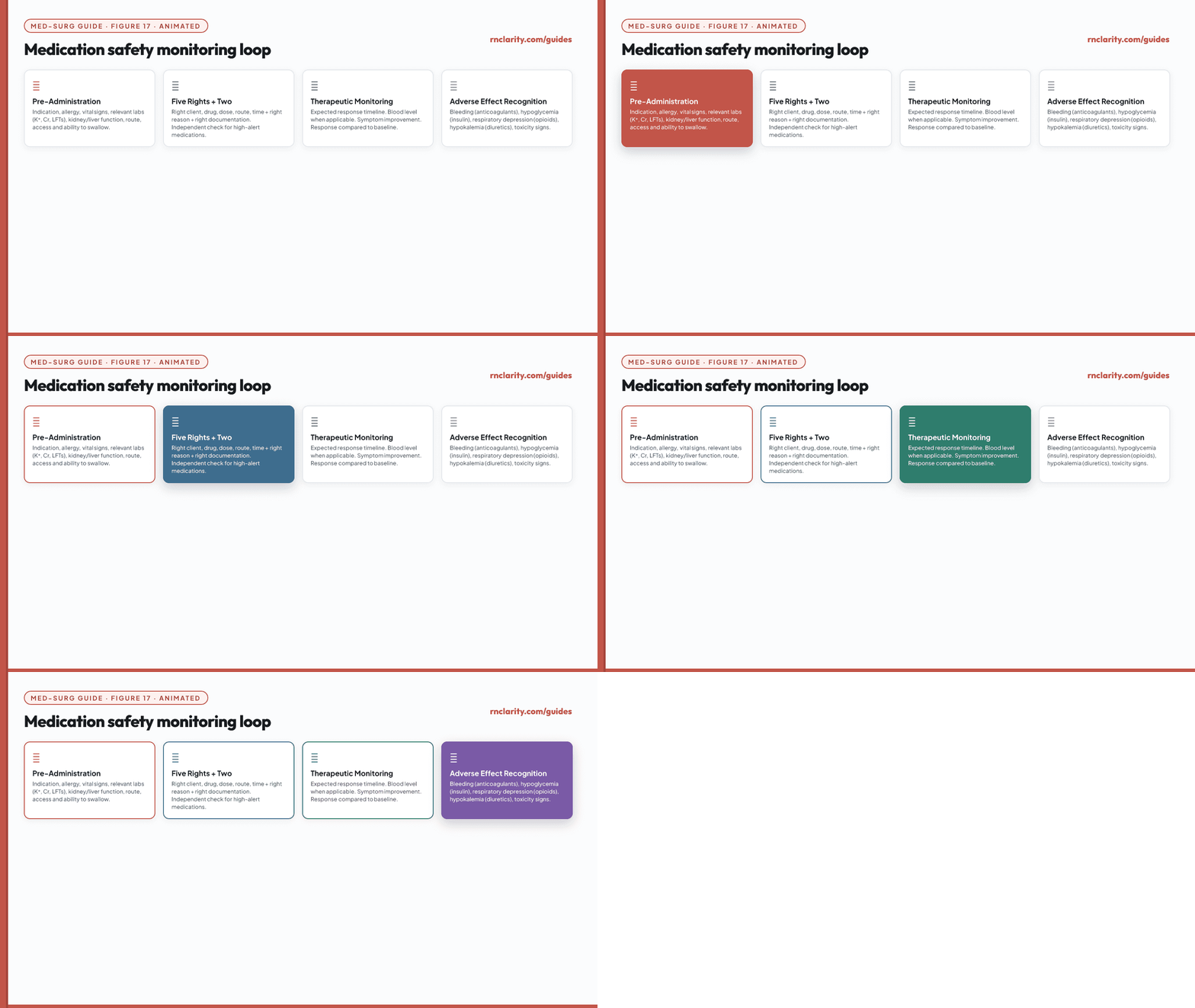
High-alert medication groups
| Medication group | Major nursing concerns |
|---|---|
| Insulin | Meal timing, glucose trend, hypoglycemia recognition and independent checks when required. |
| Anticoagulants | Bleeding, renal function, interactions, laboratory monitoring where applicable and reversal planning. |
| Opioids and sedatives | Respiratory rate and quality, sedation, fall risk, interactions and reversal readiness. |
| Diuretics | Volume status, blood pressure, electrolytes, kidney function and response. |
| Cardiac medications | Rate, rhythm, blood pressure, perfusion, electrolytes and toxicity signs. |
| Potassium and concentrated electrolytes | Correct dilution, route, rate, pump use and never unsafe IV push. |
| Chemotherapy and vesicants | Protective handling, blood counts, infection risk and extravasation protocol. |
Diagnostic-test preparation and follow-up
Before a test, assess allergies, pregnancy possibility when relevant, kidney function, coagulation status, fasting requirements, medication adjustments and the client's understanding. Afterward, monitor the site, bleeding, sedation recovery, airway, vital signs, neurologic status, kidney function or other test-specific risks. A result is not complete until it has been interpreted, acted upon and communicated when urgent.
Go deeper: For dosage calculations, IV rate formulas and high-alert medication math, see the dosage calculations guide.
17. Prioritization, Delegation and Discharge Teaching
Med-surg prioritization is based on the client's current risk, not the diagnosis label. A stable client with a serious chronic disease may be less urgent than a client with a new unexpected change. Consider airway and breathing, perfusion, neurologic function, severe safety threats, acute deterioration and time-sensitive treatment.
Delegation
The RN may delegate selected routine tasks when the client is stable, the outcome is predictable, the person is trained and authorized, directions are clear and supervision is available. The RN retains nursing judgment, initial assessment, care planning, evaluation, new teaching, triage and care of unstable clients. Actual scope varies by jurisdiction and employer policy.
Discharge readiness
A safe discharge requires more than handing the client printed instructions. Confirm medication access, equipment, transportation, food and housing needs, ability to perform self-care, warning-sign recognition and follow-up. Use teach-back and return demonstration. Include the client's chosen support person when appropriate and authorized.
Go deeper: For the complete prioritization and delegation framework, Five Rights of Delegation and assignment principles, see the prioritization and delegation guide.
Integrated med-surg care: problems that cross every body system
Real clients rarely arrive with only one disorder. A person admitted with pneumonia may also have heart failure, diabetes, chronic kidney disease, limited mobility and anxiety. The nurse must decide how one treatment affects another condition. IV fluid may support perfusion but worsen pulmonary congestion. A diuretic may reduce edema but contribute to hypotension, kidney injury or electrolyte loss. Opioid analgesia may allow coughing and mobility but can also worsen sedation, constipation and respiratory depression. Safe med-surg care is therefore an exercise in balancing benefits, risks and competing needs.
Pain as an assessment finding and a treatment outcome
Pain should be assessed using the client's report whenever possible. Determine location, quality, intensity, onset, pattern, aggravating and relieving factors, associated symptoms and the effect on function. New severe pain, pain that is different from baseline or pain associated with hypotension, neurologic change, rigid abdomen, loss of pulse or respiratory distress may indicate deterioration. Do not label every complaint as routine postoperative or chronic pain before evaluating the pattern.
Pain management is multimodal. It may include positioning, ice or heat when appropriate, splinting, relaxation, mobility, regional techniques and prescribed nonopioid or opioid medications. Reassess both relief and adverse effects. The best outcome is not always a score of zero; it may be enough relief for the client to breathe deeply, sleep, walk, participate in therapy or perform self-care safely.
Nutrition, swallowing and aspiration safety
Nutrition assessment includes recent weight change, intake, appetite, swallowing, dentition, nausea, bowel function, wounds, laboratory trends and the disease process. A client with dysphagia may cough, choke, develop a wet voice, pocket food or have silent aspiration without obvious coughing. Follow swallowing recommendations, position the client correctly, reduce distractions, use prescribed textures and stop feeding if signs of aspiration occur. Oral care remains important because aspirated oral bacteria can contribute to pneumonia.
Enteral nutrition is generally used when the gastrointestinal tract can function but oral intake is unsafe or inadequate. Parenteral nutrition is reserved for selected situations in which enteral feeding is not possible or sufficient. Both methods require careful glucose, fluid, electrolyte and infection monitoring.
Mobility, deconditioning and VTE prevention
Bed rest affects lungs, circulation, muscles, joints, skin, bowel function, bladder function and cognition. Even short periods of immobility can reduce strength and activity tolerance. Assess the client's baseline, weight-bearing limits, orthostatic response, pain, cognition, equipment and need for assistance.
VTE prevention is individualized and may include early mobility, leg exercises, mechanical compression and prescribed anticoagulation. Mechanical devices must fit correctly and be removed for skin and neurovascular assessment according to policy. A client receiving prophylaxis can still develop thrombosis, so new unilateral swelling, unexplained dyspnea or chest pain must be evaluated.
Older-adult considerations
Older adults often have reduced physiologic reserve, multiple medications, sensory impairment and a greater risk of delirium, falls, dehydration, skin injury and adverse drug effects. Illness may present atypically. Infection can appear as weakness, reduced intake, a fall or confusion. Myocardial ischemia can appear as dyspnea or fatigue. Compare every change with the client's baseline and avoid assuming that confusion, incontinence or immobility is normal aging.
Support hearing aids, glasses, sleep, mobility, hydration, familiar routines and meaningful communication. Review high-risk medications and unnecessary lines or restraints. Include the client's goals, decision-making capacity, substitute decision maker and advance-care planning where relevant.
Psychosocial response to adult illness
A serious diagnosis can create fear, grief, anger, loss of control, body-image concerns and financial or family stress. Therapeutic communication does not require the nurse to solve every problem. It requires listening, acknowledging the experience, providing understandable information, correcting harmful misunderstandings and connecting the client with appropriate support. Avoid false reassurance such as "everything will be fine." A more therapeutic response is, "This is a lot to take in. Tell me what worries you most right now."
Assess for depression, anxiety, substance use, withdrawal, caregiver strain and suicide risk when indicated. Acute agitation may be psychiatric, but it can also result from hypoxia, hypoglycemia, infection, pain, urinary retention, medication effects or delirium. Physical causes must be considered promptly.
Escalation and communication
Escalate when a client has an immediate threat, meaningful deterioration, an urgent critical result or a problem that exceeds the current plan. Communicate the situation, relevant background, current assessment, trend, actions already taken and what is needed. Do not bury the urgent message inside a long history.
Documentation should be timely, objective and clinically useful. Record what the client reported, what the nurse observed, the relevant data, actions, notifications and response. Avoid blame, speculation and vague phrases such as "doing better" without supporting findings.
Preventing readmission and unsafe transitions
Many med-surg complications occur after discharge because the client cannot obtain medications, does not understand warning signs, has no transportation, cannot perform the required care or receives conflicting instructions. Begin discharge planning early. Reconcile medications, clarify who will monitor laboratory tests, arrange equipment and services, teach wound or device care, identify diet and activity restrictions and provide a clear follow-up plan.
Use teach-back for the most important actions: what to take, what to avoid, what to monitor, who to call and when to seek emergency care. Teach-back is not a test of the client. It is a test of how clearly the information was explained. When the client cannot explain the plan, teach again using simpler wording or a different method.
18. Six Clinical-Judgment Cases
Go deeper: For a complete walkthrough of the NGN case-study format, item types and the CASE method, see the NGN case studies guide.
Case 1: Postoperative hemorrhage
A client is four hours after abdominal surgery. The heart rate rises from 86 to 118/min, blood pressure falls from 132/78 to 94/58 mm Hg, urine output is 18 mL in the last hour and the client reports increasing abdominal pressure. The dressing has only a small visible stain.
- Recognize cues: Rising heart rate, falling pressure, oliguria and increasing pressure are more important than the small external stain.
- Analyze cues: The pattern suggests reduced circulating volume and possible concealed bleeding.
- Priority: Support perfusion, obtain help and rapidly reassess the surgical site and abdomen.
- Actions: Follow emergency and postoperative protocols, maintain access, provide prescribed support, prepare for laboratory testing and possible intervention.
- Evaluation: Mental status, pressure, pulse quality, urine output and bleeding trend should improve or stabilize.
Case 2: COPD with increasing somnolence
A client admitted with a COPD exacerbation becomes increasingly sleepy. Respiratory rate falls from 26 to 10/min, air movement is reduced and oxygen saturation is falling despite prescribed oxygen.
- The priority is not simply to increase oxygen without assessing ventilation.
- Reduced respiratory rate, somnolence and poor air movement suggest fatigue and ventilatory failure.
- Call for rapid assistance, support airway and ventilation, obtain ordered blood-gas testing and prepare for advanced respiratory support.
- Reassess consciousness, respiratory effort, gas exchange and hemodynamic status.
Case 3: Sepsis from urinary infection
An older adult with urinary symptoms becomes confused, tachypneic and hypotensive, with declining urine output and cool extremities.
- Recognize organ dysfunction rather than waiting for a high fever.
- Escalate immediately, obtain focused assessment and initiate the sepsis pathway.
- Administer prescribed antimicrobials and hemodynamic support promptly while monitoring response.
- Evaluate mentation, perfusion, pressure, urine output, lactate or other ordered markers and source control.
Case 4: DKA during treatment
A client with DKA is receiving IV fluid and insulin. Glucose is falling, but the potassium trend also falls and the ECG develops new changes.
- The glucose response does not mean the client is fully corrected.
- Insulin moves potassium into cells and can uncover or worsen hypokalemia.
- Escalate the potassium and ECG changes, follow the protocol for replacement and insulin adjustment, and continue frequent monitoring.
- Evaluate rhythm, potassium, anion-gap or acid-base resolution, hydration and mental status.
Case 5: Acute stroke concern
A hospitalized client suddenly develops facial droop, right arm weakness and difficulty speaking. The nurse last observed normal speech 20 minutes earlier.
- Activate the stroke response immediately and document last known well.
- Check glucose and vital signs while protecting airway and keeping the client NPO until swallowing is evaluated.
- Prepare for urgent imaging and treatment; do not delay by completing a lengthy routine assessment first.
- Evaluate neurologic findings and response to treatment while preventing aspiration and injury.
Case 6: Neutropenic fever
A client receiving chemotherapy has a new fever, chills and mild weakness. The central-line site looks normal and the client has no strong local symptoms.
- Fever in neutropenia may be the only early sign of a serious infection.
- Promptly obtain the ordered cultures and laboratory studies and administer prescribed antimicrobial therapy without unsafe delay.
- Use infection-prevention measures and assess every possible source, including line, lungs, urine, mouth and skin.
- Monitor perfusion, mental status, temperature and organ function for progression to sepsis.
19. Thirty Practice Questions
-
A postoperative client is restless, tachycardic and producing less urine. Which interpretation is safest? The pattern may represent early poor perfusion and requires focused assessment and escalation. Restlessness and oliguria can precede severe hypotension.
-
Which client should the nurse assess first? A client with new stridor after neck surgery. Stridor suggests an immediate airway threat.
-
Which finding in asthma is most concerning? Decreasing breath sounds with increasing fatigue. Less wheezing is not reassuring when airflow and effort are worsening.
-
Which task is generally appropriate for trained assistive personnel? Routine ambulation of a stable client with an established plan. The task is routine and predictable; the RN still evaluates the outcome.
-
A client receiving opioids is difficult to arouse and breathing 7 times/min. What is the priority? Support airway and breathing, stop further opioid administration and initiate the emergency response and reversal protocol. Respiratory depression is immediately life threatening.
-
Which finding most strongly supports fluid overload? Rapid weight gain with new crackles and edema. The combined trend is more meaningful than one isolated sign.
-
A client with suspected stroke asks for water. What should the nurse do? Keep the client NPO until swallowing safety is assessed. Acute stroke can impair swallowing and cause aspiration.
-
Which change during DKA treatment requires prompt attention? Falling potassium with new ECG changes. Insulin and correction can rapidly shift potassium into cells.
-
Which finding may be the earliest sign of sepsis in an older adult? New confusion with tachypnea and reduced urine output. Older adults may not develop a high fever.
-
A transfusion recipient develops chills and back pain. What should the nurse do first? Stop the transfusion. Prevent further exposure while maintaining access according to protocol.
-
Which chest-tube finding requires immediate assessment? Sudden respiratory distress with a new loss of expected system function. The client may have tube obstruction, disconnection or recurrent air accumulation.
-
Which finding suggests compartment syndrome? Increasing pain with passive stretch and tense swelling. This pattern can indicate rising compartment pressure before pulses disappear.
-
A client with CKD receives a renally cleared medication. What is most important? Review kidney function, dose appropriateness and toxicity signs. Reduced clearance can cause accumulation.
-
Which action is safest for a client with suspected DVT? Limit manipulation of the affected limb and obtain urgent evaluation. Massage or vigorous activity may be unsafe.
-
A ventilator high-pressure alarm sounds. What should the nurse do first? Assess the client and check for obstruction, biting, secretions or tubing problems. The client comes before the machine.
-
Which ostomy finding requires urgent review? A dusky or black stoma. This may indicate impaired blood supply.
-
Which finding in liver failure is most concerning? New confusion and asterixis. This may indicate worsening encephalopathy and requires evaluation for triggers.
-
A client with thrombocytopenia needs care. Which action is safest? Use gentle care and avoid unnecessary invasive or rectal procedures. Trauma can cause bleeding.
-
Which finding after sedation indicates discharge criteria are not met? Persistent hypoventilation and inability to remain awake. Airway and ventilation must be stable.
-
Which client can usually be seen last? A stable client awaiting routine discharge teaching with no new findings. New or unstable findings take priority.
-
A client with SIADH becomes confused and has a seizure. What is the priority? Protect the airway, treat the seizure and escalate severe symptomatic hyponatremia. Acute neurologic symptoms indicate an emergency.
-
Which statement about oxygen in COPD is correct? Oxygen should be titrated to the prescribed target while ventilation and mental status are monitored. Hypoxemia should not be left untreated because of a simplistic respiratory-drive myth.
-
Which sign suggests acute arterial occlusion? Sudden severe limb pain with pallor and reduced pulse. Acute loss of arterial flow threatens the limb.
-
Which postoperative action best reduces atelectasis risk? Adequate pain control combined with mobility and prescribed deep-breathing or lung-expansion measures. Ventilation improves when the client can move and breathe deeply.
-
Which finding is most urgent in a neutropenic client? A new fever even without localizing symptoms. Inflammatory signs may be limited, and infection can progress quickly.
-
Which response shows effective heart-failure treatment? Reduced dyspnea and edema with improved weight and urine-output trends. Evaluation should use multiple objective outcomes.
-
A client has severe vomiting and abdominal distention with no flatus. What complication is most concerning? Bowel obstruction with dehydration and possible ischemia. The pattern requires bowel rest, decompression and urgent assessment.
-
Which action is correct during a seizure? Protect the client from injury and observe the event without placing anything in the mouth. Objects and forced restraint can cause harm.
-
Which line-care principle reduces infection risk? Use aseptic technique and remove the device as soon as it is no longer necessary. Every unnecessary device day adds risk.
-
What is the best way to evaluate discharge teaching? Ask the client to explain or demonstrate the plan in their own words. Teach-back evaluates understanding rather than simply asking whether the client understands.
20. Study Plans and Memory Tools
Eight-week med-surg plan
| Week | Focus |
|---|---|
| Week 1 | Universal assessment, safety, fluids, electrolytes and acid-base |
| Week 2 | Cardiovascular and perfusion |
| Week 3 | Respiratory and oxygenation |
| Week 4 | Neurologic and endocrine |
| Week 5 | Renal, urinary, GI, liver and pancreas |
| Week 6 | Hematology, oncology, immune, musculoskeletal and skin |
| Week 7 | Infection, sepsis, perioperative care and emergency patterns |
| Week 8 | Mixed clinical cases, medication safety, prioritization and full practice sets |
Daily study cycle
- Review one system map for 20 to 30 minutes.
- Explain the pathophysiology aloud in simple language.
- Complete 30 to 60 mixed questions, depending on available time.
- Review every rationale, including the incorrect options.
- Add repeated errors to an error log.
- Revisit earlier systems through spaced recall.
The one-page disorder sheet
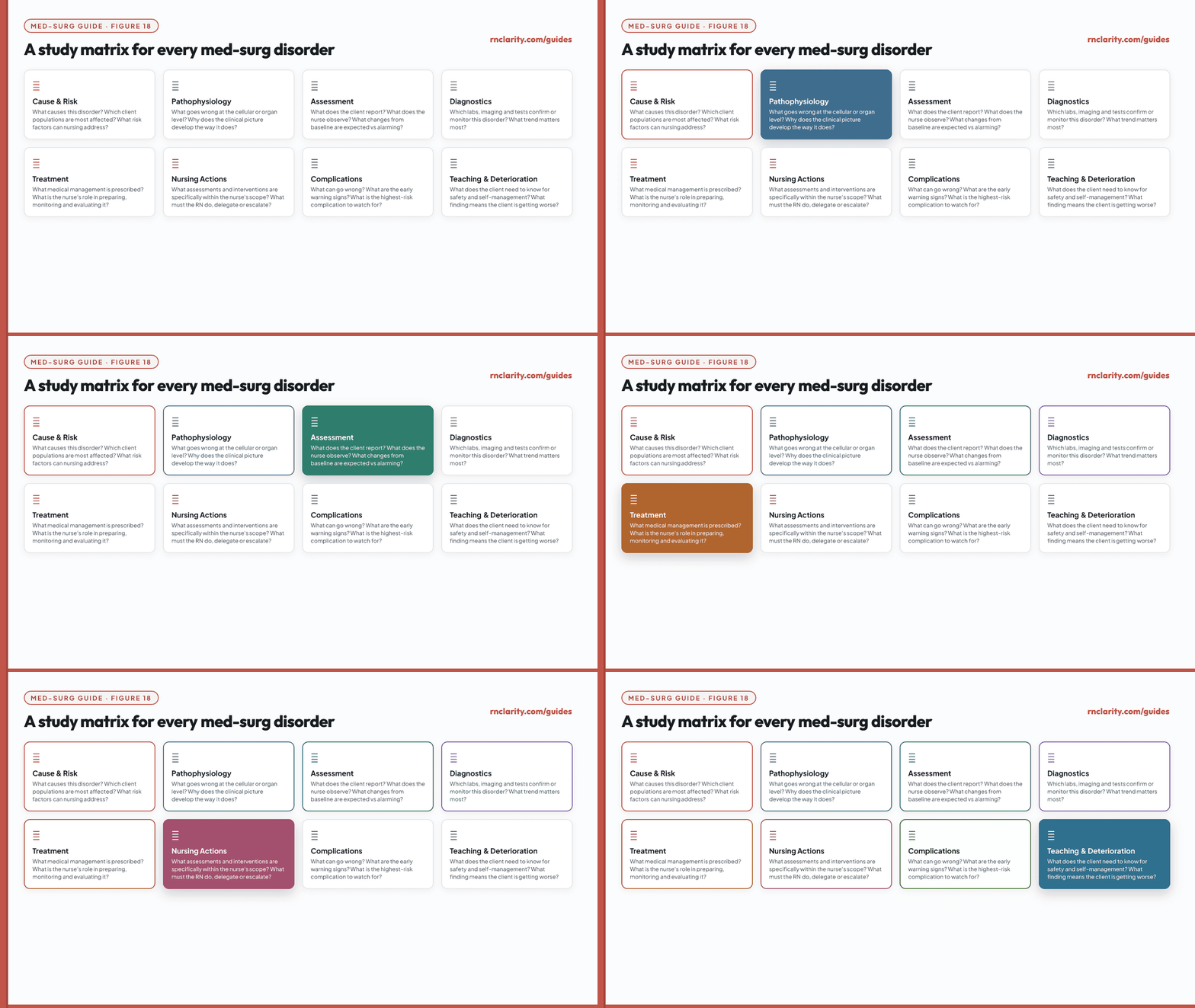
For each disorder, complete eight boxes: cause and risk, pathophysiology, assessment, diagnostics, treatment, nursing actions, complications and teaching. Add one final line: "What finding means the client is getting worse?" This converts a large textbook chapter into a clinical decision tool.
Go deeper: For a structured study timeline, daily habits and memory strategies aligned to the 2026 exam, see the study plan guide.
21. Frequently Asked Questions
Is med-surg the largest part of the NCLEX-RN®?
The test plan does not use a category named med-surg. Adult health content appears across several categories, especially Physiological Adaptation, Reduction of Risk Potential and Pharmacological and Parenteral Therapies.
Do I need to memorize every disease?
No. Learn common disorders deeply and use pathophysiology patterns to reason through unfamiliar conditions.
Should I memorize normal laboratory values?
Know common patterns, but use the reference range provided by the laboratory or examination item and interpret the trend in context.
How do I choose between assessment and intervention?
Assess when information is needed to choose safely. Act immediately when a clear life threat or established emergency response is present.
Why are trends so important?
A direction of change often reveals deterioration before a single value crosses a rigid threshold.
What is the best way to learn medications in med-surg?
Study by class, indication, pre-administration assessment, major adverse effects, monitoring, interactions and teaching.
How should I study prioritization?
Compare the current risk of each client. Give priority to immediate airway, breathing, perfusion, neurologic and severe safety threats, followed by acute unexpected deterioration and time-sensitive treatment.
Are exact nursing actions the same everywhere?
No. Scope, protocols, medication policies and device procedures vary. Use local policy and current orders in practice.
Does this guide replace a med-surg textbook?
It is a comprehensive review and study framework, but students should still use required course materials and current clinical references.
How often should this guide be updated?
Review it when the NCLEX-RN® test plan changes and whenever major clinical guidelines or safety recommendations are updated.
Clinical-safety note: This guide is provided for general educational and informational purposes only. It is not medical advice and is not a substitute for nursing-school instruction, current textbooks and drug references, institutional policy, provider orders, consultation with qualified clinicians or professional nursing judgment. Clinical practice, scope, medication protocols, laboratory ranges and emergency procedures vary by jurisdiction and organization.
Non-affiliation statement: RN Clarity is an independent educational resource. NCLEX®, NCLEX-RN® and NCSBN® are registered trademarks of the National Council of State Boards of Nursing, Inc. RN Clarity is not affiliated with, endorsed by, sponsored by or officially connected with NCSBN®.
Continue your study: Heart Failure Nursing Guide · Diabetes Mellitus Nursing Guide · COPD Nursing Guide. Each guide includes assessment, nursing actions, original cases and linked references.